For many, owning a yacht is the ultimate symbol of luxury, freedom, and luxury yacht lifestyle. Yet behind the glamorous façade lies a crucial financial consideration that every potential buyer should understand: yacht depreciation. Like most high-value assets, yachts do not retain their full value over time. In fact, the moment you purchase and launch a brand-new vessel, its market value begins to shift—often downward.
Whether you’re looking to purchase luxury yachts, explore second hand yachts for sale, or understand the long-term implications of investing in a vessel, knowing how yacht depreciation works will help you make smarter, more strategic decisions. Let’s dive into the numbers, trends, and tactics behind yacht depreciation and how to protect your investment over time.
What Is Yacht Depreciation?
Yacht depreciation refers to the decline in a yacht’s market value over time. This is a natural and expected part of yacht ownership. Unlike real estate, which may appreciate, most boats and yachts follow a similar trajectory to automobiles—they lose value due to age, usage, wear and tear, and evolving market demand.
Yachts are also subject to factors like style changes, updated yacht technology, and regulation shifts, all of which can affect their value on the resale market. While a well-maintained vessel may hold its value better than a neglected one, boat depreciation is nearly unavoidable—especially in the early years of ownership.
How Much Do Boats Depreciate Per Year?
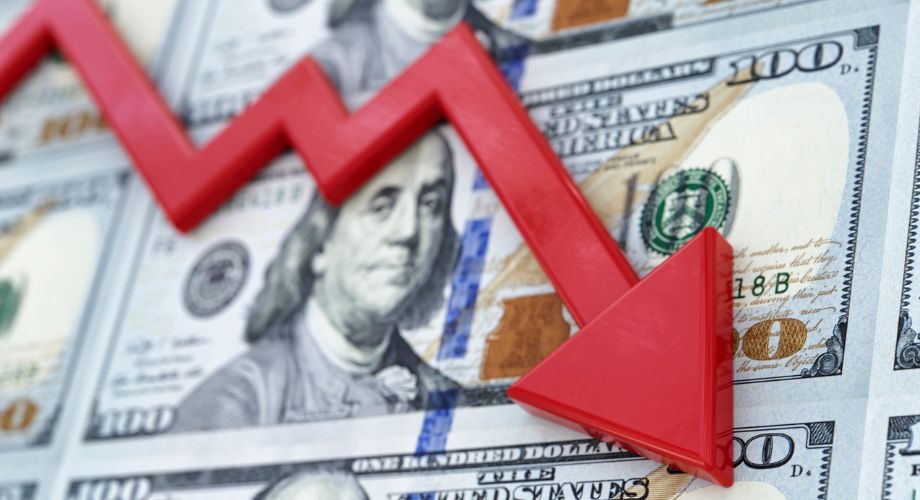
If you’re wondering how much do boats depreciate per year, you’re not alone. On average, a new yacht can lose between 10% to 20% of its value in the first year alone. Over the first five years, the total yacht depreciation rate can reach as high as 40%–50%.
This steep initial drop is often referred to as the “new boat penalty.” Buyers who choose used motor yachts for sale or second hand yachts for sale may sidestep this sharp loss, acquiring vessels that have already taken the biggest depreciation hit.
Typical yacht depreciation rates usually follow the below formulas:
- Year 1: ~10%–20% loss
- Year 3: ~30%–40% cumulative loss
- Year 5: ~40%–50% cumulative loss
- Year 10: The curve flattens, but minor annual depreciation continues
While not all vessels follow this curve precisely, these general ranges offer a useful framework for understanding yacht cost over time.
Yacht Depreciation Life and Rate
The yacht depreciation life is often estimated at around 20 years, though many yachts remain operational—and valuable—well beyond that, especially with yacht refits or upgrades. However, from a yacht tax and accounting perspective, depreciation may be calculated over 10–20 years depending on use (personal vs. commercial), vessel size, and local regulations.
The average yacht depreciation rate flattens over time. After about 10 years, yacht depreciation slows significantly, making older vessels appealing to value-conscious buyers. An average size yacht—around 50 to 70 feet—will depreciate along these standard lines, though factors like build quality, brand reputation, and yacht maintenance history can shift the numbers substantially.
Factors That Affect Yacht Depreciation
Yacht depreciation is not a fixed rule—it fluctuates based on several influencing factors:
1. Brand and Build Quality: The yacht builder’s reputation plays a major role in determining how well a yacht holds its value. Premium brands are known for superior engineering, yacht design, and resale performance. Yachts built by respected shipyards such as Oceanco, Feadship, Heesen, Benetti, Lürssen, Sanlorenzo, Sunseeker, Azimut, Princess Yachts, are generally more resilient to market dips. These yacht brands have long histories of craftsmanship and innovation, which often leads to higher perceived value and lower yacht depreciation over time. Yacht buyers trust these names, and vessels from top-tier builders tend to sell faster and closer to asking price. A reputable name may help slow the depreciation rates for boats, even years down the line.
2. Yacht Size and Layout: Larger yachts tend to depreciate more in absolute dollar terms but not necessarily in percentage. The layout, number of cabins, and onboard amenities also play a role in the vessel’s long-term desirability.
3. Technology and Equipment: Outdated navigation systems, engines, or AV components can rapidly decrease a yacht’s appeal. Buyers increasingly expect modern systems, and retrofitting old vessels can be costly.
4. Usage and Condition: Yachts that are lightly used and professionally maintained depreciate more slowly. High engine hours, saltwater damage, or deferred maintenance will lower yacht resale value significantly.
5. Market Trends and Demand: Shifts in global wealth, changes in buyer preferences, and even yacht fuel prices or environmental regulations can alter demand—and therefore depreciation.
6. Location and Currency Fluctuation: Where and how a yacht is listed also matters. A vessel kept in high-demand cruising grounds will likely hold more value than one in an off-market location. Currency exchange also plays a role for international buyers and sellers.
How to Minimize Yacht Depreciation
While you can’t entirely avoid yacht depreciation, there are strategies to reduce its impact and retain value over time:
Buy Used: Avoid the biggest drop in value by purchasing a yacht that’s at least three to five years old. Many used motor yachts for sale offer excellent value and are already past the steepest depreciation phase.
Maintain Meticulously: Keep up with engine servicing, haul-outs, and cosmetic maintenance. Yacht buyers notice—and pay for—well-kept vessels.
Choose Wisely: Go for popular yacht models with timeless designs. Overly customized yachts may struggle on the resale market, while mainstream layouts tend to perform better.
Upgrade Selectively: Strategic updates to tech, entertainment, or sustainability features can add value. Avoid overinvesting in features with limited buyer appeal.
Track Market Timing: Listing your yacht when demand is high—typically just before the cruising season—can boost your resale price and minimize yacht depreciation loss.
Charter Income (With Caution): For those buying a motor yacht as part of a charter program, some owners offset yacht depreciation by generating income. However, this must be balanced with increased wear and commercial tax implications.
Navigating the Value: A Smart Buyer’s Approach
Do yachts depreciate in value? Yes, but yacht depreciation doesn’t have to be a dealbreaker. It’s a normal part of yacht ownership that can be managed with knowledge and foresight. Just like purchasing a luxury car or real estate in a fluctuating market, buying a yacht is as much about timing and condition as it is about passion.
Whether you’re shopping for an average size yacht, exploring second hand yachts for sale, or considering a brand-new build, the key is understanding the life cycle of yacht value. By buying smart, maintaining your vessel properly, and keeping resale in mind, you can enjoy the luxury yachting lifestyle while making financially sound choices.
For those who view yachting not just as an indulgence but as a long-term yacht investment in their lifestyle, yacht depreciation becomes just another wave to navigate—not a reason to abandon ship.