Climate volatility is unfortunately no longer a distant force. Weather patterns are changing and it’s the new operating environment for yachting. Naval architects, shipyards, and innovation labs are responding with a profound design shift: yachts engineered not just for luxury, but for resilience. As extreme weather events intensify globally, climate-adaptive yacht design is becoming one of the most important conversations in the maritime sector, influencing everything from hull architecture to stabilizer technologies and autonomous weather-routing systems.
For the world’s leading yacht builders and designers, this isn’t merely about upgrading performance. It’s about future-proofing superyachts in a way that protects owners, guests, crew, and the long-term value of the asset, all while enhancing safety and comfort at sea.
As “The Tech & Connect of Yachting™,” YATCO continues to track these advancements across the global fleet. Below is a breakdown of the key innovations shaping the next generation of climate-adaptive yachts.
The New Era of Hydrodynamics
Traditional hull forms, whether displacement, semi-displacement, or planing, are being re-evaluated through the lens of climate impact. Naval architects are designing hulls that react dynamically to more unpredictable conditions.
- Hybrid Hull Geometry: A growing number of yachts now feature hybrid hull forms that merge the best properties of displacement and planing designs. These hulls reduce slamming, improve fuel efficiency in varied weather, and offer greater comfort in high sea states. Yards are leveraging computational fluid dynamics (CFD) and digital twins to test thousands of sea-state simulations before a single piece of steel or aluminum is cut.
- Wave-Piercing Bows: Borrowed from commercial and expedition vessels, wave-piercing bows improve efficiency in rougher waters and reduce vertical motion. This design trend is accelerating, particularly in the 50m+ segment where long-range cruising and transoceanic capability are core expectations.
- Advanced Materials: Carbon composites, high-strength steels, and hybrid laminates enable lighter, stronger structures that flex rather than fail under dynamic loads. These materials allow designers to balance performance with stability, ensuring a quieter, smoother ride even when weather is less predictable than it once was.
Comfort and Safety in an Unsettled Ocean
Stabilizer systems have evolved dramatically from the early prototypes of fin stabilizers or gyro units. Today’s climate-adaptive yachts are integrating multi-axis stabilization systems capable of adjusting in real time to sharp shifts in wind and wave behavior.
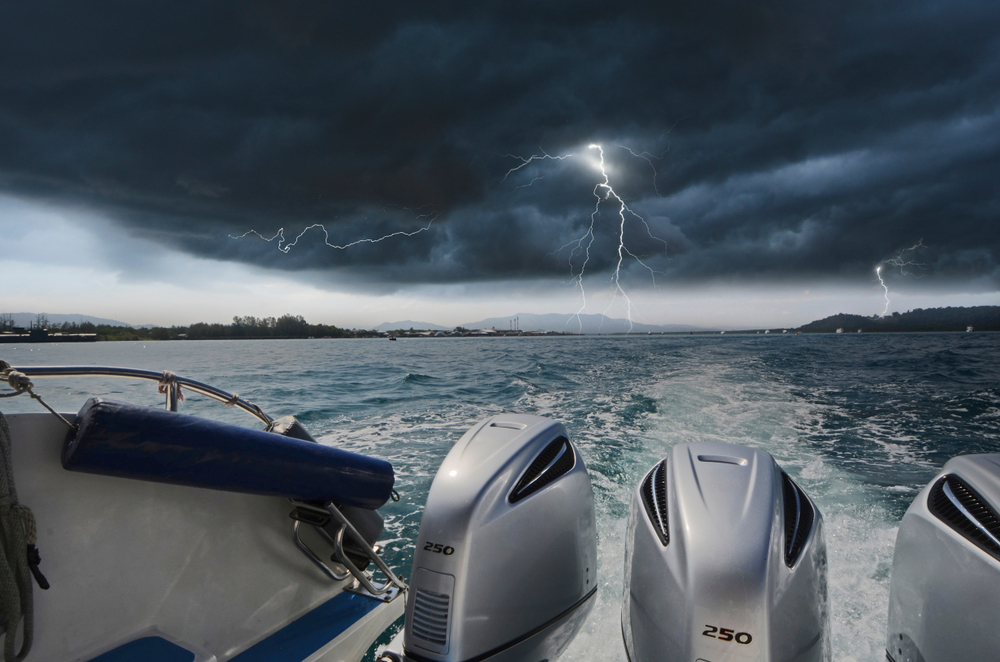
Zero-Speed Stabilizers: Once optional, they are becoming close to standard. Zero-speed systems reduce roll at anchor, which is increasingly valuable as weather-instigated surge and swell become more frequent in popular cruising regions.
Predictive Stabilization: AI-enhanced stabilizers now anticipate vessel motion by reading wave patterns, hull speed, and sensor data before the roll occurs. This predictive capability dramatically increases comfort and reduces mechanical strain on the yacht.
Hybrid Systems: Some of the newest models blend gyroscopic and fin stabilization, optimizing low-speed comfort, drift anchoring, and long-range passages. The objective is to create a seamless, climate-resilient stabilization envelope across every operating environment.
Autonomous Weather Routing Grows in Popularity
Just as commercial shipping has embraced AI-driven routing, the superyacht sector is quickly adopting advanced weather intelligence systems. Instead of relying solely on manual forecasting, captains are using integrated platforms that combine satellite meteorology, real-time oceanographic data, and machine-learning algorithms.
- Dynamic Route Optimization: These systems evaluate hundreds of possible routes simultaneously, optimizing safety, fuel burn, comfort, and speed. High-level weather AI factors in new data every few minutes, giving captains the ability to avoid developing fronts or pressure systems early, long before they become a threat.
- Autonomous Adjustments: While still captain-controlled, many systems now include semi-autonomous routing recommendations that update in real time. This means a yacht can “self-adjust” its recommended course the moment environmental variables shift.
- Fleetwide Learning: Some platforms are collecting anonymized performance data across global fleets, improving predictive models with every crossing. For yachts undertaking Arctic, Antarctic, Pacific, or transatlantic voyages, this collective intelligence is becoming a safety asset in itself.
What This Means for Owners, Captains, and the Brokerage Community
Climate-adaptive yacht design represents far more than a technical upgrade; it marks a strategic evolution that affects every stakeholder in the yachting ecosystem. For owners, these advancements translate into yachts that deliver exceptional comfort, enhanced long-range capabilities, and safer travel across increasingly unpredictable oceans. A vessel engineered with adaptive hull geometry, next-gen stabilization, and intelligent routing systems carries not only performance advantages but also long-term resilience, protecting the asset’s value as environmental conditions continue to shift.
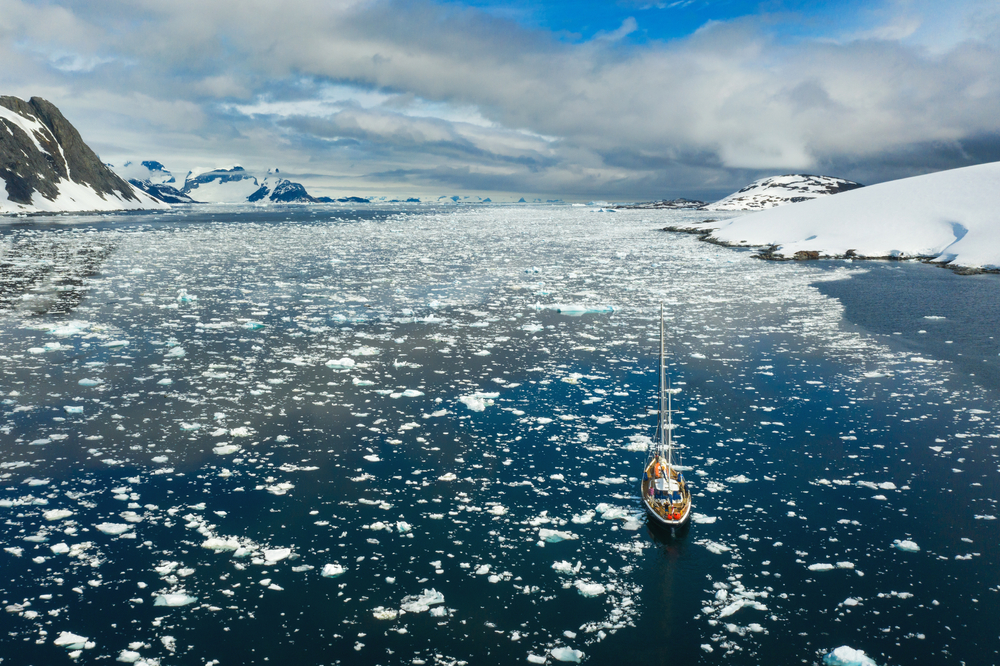
For captains and crew, climate-ready design greatly influences day-to-day operations. Smarter hulls and predictive stabilization reduce fatigue and mechanical strain, while AI-driven weather routing lifts pressure during demanding passages by providing more accurate, dynamic decision support. This leads to safer voyages, smoother guest experiences, and improved operational efficiency overall.
As client expectations evolve toward resilience, sustainability, and lower operational risk, having a deep understanding of climate-adaptive technologies becomes a competitive advantage. From guiding buyers on future-proof investments to advising sellers on value-enhancing features, professionals who embrace these trends will be best positioned to lead the next phase of the market.