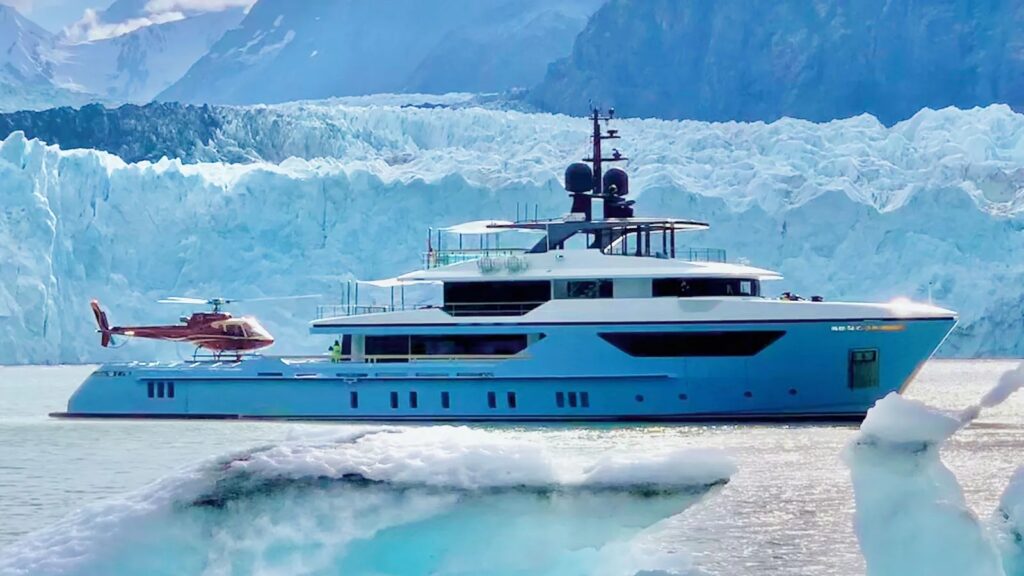
As demand for remote adventure travel surges, ice-class yachts are becoming one of the most sought-after vessel types for owners and charterers looking to explore polar environments in comfort and safety. These purpose-built or upgraded yachts allow people to reach destinations across the Arctic and Antarctic that were once accessible only to commercial or research vessels.
With innovations in engineering, insulation, navigation, and cold-climate systems, modern expedition yachts can push farther into ice-laden waters while maintaining the luxury, comfort, and autonomy expected from today’s elite explorers. Whether considering an ice class expedition yacht for sale or upgrading an existing vessel, understanding the underlying design principles is essential for safe and successful polar travel.
What Is an Ice-Class Yacht?
An ice-class yacht is a vessel built or refitted to meet specific engineering standards enabling navigation in icy or semi-frozen waters. Classification societies such as Lloyd’s Register, ABS, and DNV assign ice-class ratings based on hull strength, propulsion reinforcement, and operational capabilities in challenging ice conditions. Ice class does not mean the vessel can break thick multi-year ice like a commercial icebreaker, but it does ensure it can navigate pack ice, brash ice, and thin first-year ice encountered during Arctic yachting or polar cruising.
These vessels are typically categorized as explorer yacht ice class or ice-strengthened expedition models, designed to extend cruising seasons, expand itineraries, and allow guests to reach remote wildlife territories, glacier fields, and scientific interest zones that standard superyachts cannot access. The market for these yachts has expanded significantly, with buyers often comparing features, operational range, and the ice class mega yacht cost before committing to ownership.
Leading Builders of Ice-Class & Expedition Yachts
The rise of ice-class yachts and purpose-built explorers has pushed several shipyards to the forefront of polar-ready innovation. These builders specialize in reinforced hulls, advanced autonomy, and the robust engineering needed for Arctic yachting and polar cruising, often combining commercial-grade capability with superyacht luxury. Their portfolios help define what a modern expedition yacht truly represents.
- Bering Yachts: Known for robust steel hulls, transoceanic range, and explorer-minded layouts, Bering yachts are designed for harsh environments and sustained cruising. While not all models carry formal ice-class notations, Bering offers reinforced structures and engineering upgrades suitable for light-ice regions, making them an option for buyers interested in expedition capability without the cost of commercial-level ice classification.
- Damen Yachting: Damen is widely regarded as one of the leaders in the expedition sector, with its SeaXplorer line representing some of the most capable luxury expedition yachts available today. Vessels like the SeaXplorer 77 and 105 feature ice-strengthened bows, hybrid propulsion, and extreme-range tank capacities designed for weeks of autonomous travel. Damen’s heritage in commercial offshore vessels directly influences their approach to ice-class yacht construction.
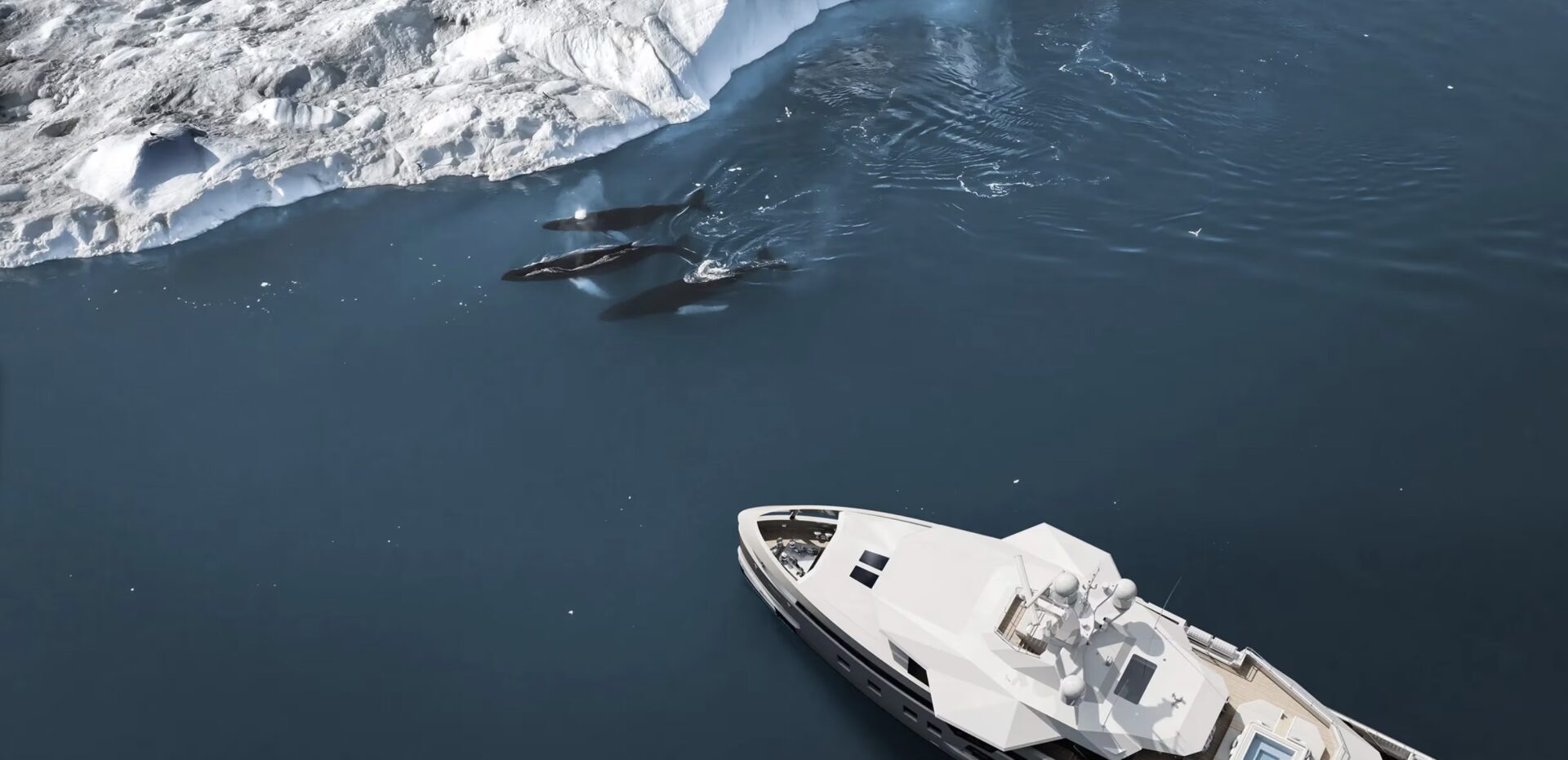
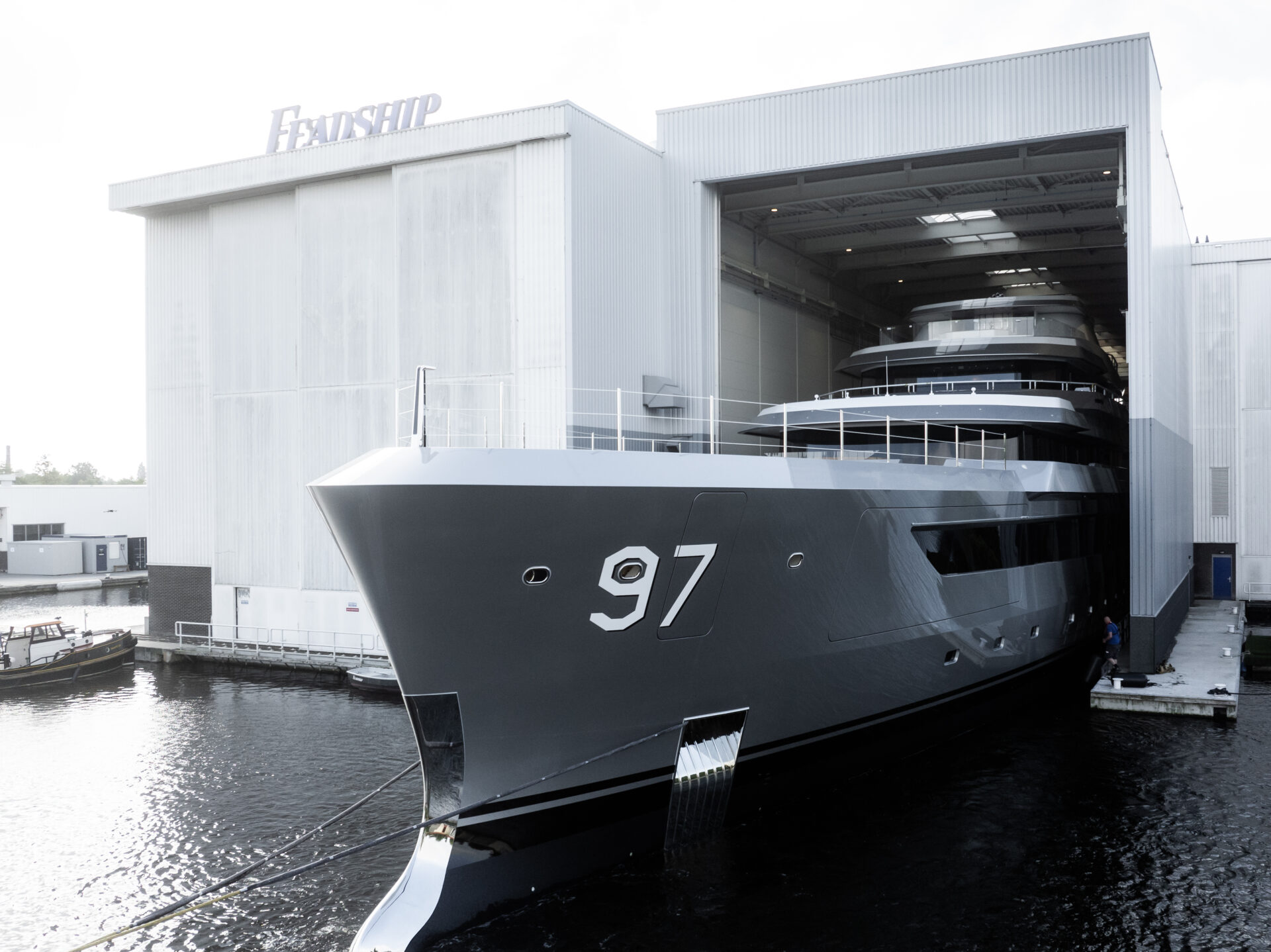
- Feadship: Although not a prolific ice-yacht builder, Feadship’s custom projects occasionally incorporate ice-strengthening upon request. Known for engineering precision and advanced metalwork, Feadship offers tailored solutions for owners who want a balance of ultra-luxury interiors with enhanced structural capabilities required for high-latitude exploration. Custom feasibility studies often include hull optimization for thin first-year ice.
- Sanlorenzo: Sanlorenzo’s explorer offerings introduce long-range autonomy and robust metal hulls, appealing to owners seeking extended cruising with a contemporary luxury aesthetic. While not all models are built to ice class, Sanlorenzo has pursued ice-capable customizations and reinforced steel hulls for specific clients targeting colder climates. Their engineering flexibility makes them a noteworthy builder in the semi-custom polar-capable market.
Hull Reinforcement & Engineering
The foundation of any true ice-capable yacht lies in its hull. Reinforced hulls are engineered to withstand repeated contact with floating ice and debris, which can exert extreme pressure on a vessel’s structure. Builders use thicker steel plating, closely spaced framing, and strengthened bow sections designed to deflect or crush lighter ice formations.
Yachts are often fitted with ice belts—zones along the waterline constructed with additional reinforcement—as well as internal framing templates that prevent deformation. Propellers, rudders, and stabilizers also receive heavy-duty protection to reduce the risk of mechanical failure in freezing waters. These elements together form the backbone of a safe expedition yacht ice class design.
Safety Systems for Cold Climates
Cold climates demand highly specialized safety systems. Ice-class explorers are equipped with redundant power and heating systems, enclosed lifeboats, emergency shelters, and advanced firefighting apparatus designed to operate even in sub-zero temperatures.
Critical systems such as hydraulic lines, fuel tanks, water makers, and battery banks require insulation and heat tracing to prevent freezing. Additionally, onboard workshops and spare-parts storage are vital, since repairs in remote polar regions often cannot rely on external support.
Owners seeking an ice class expedition yacht for sale often prioritize the vessel’s emergency redundancy package, ensuring it meets both commercial expedition standards and luxury-guest requirements.
Heating & Insulation Solutions
Maintaining comfort onboard is essential for guest wellbeing, especially during long passages in extreme climates. Effective heating and insulation solutions help stabilize temperature, reduce energy consumption, and protect sensitive systems.
High-efficiency HVAC systems are paired with triple-glazed windows, thermal insulation panels, and heated flooring throughout guest and crew areas. Engineering spaces receive additional thermal protection to keep equipment functioning optimally.
Advanced insulation also keeps fuel, potable water, and waste systems operational during polar cruising, reducing the risk of freezing-related failures that could compromise the yacht’s autonomy.
Navigation in Polar Regions
Navigation in the Arctic and Antarctic requires a unique set of skills and equipment. Ice-class explorers integrate next-generation radar, thermal imaging, ice-detection sonar, satellite ice charts, and gyro-stabilized binocular systems.
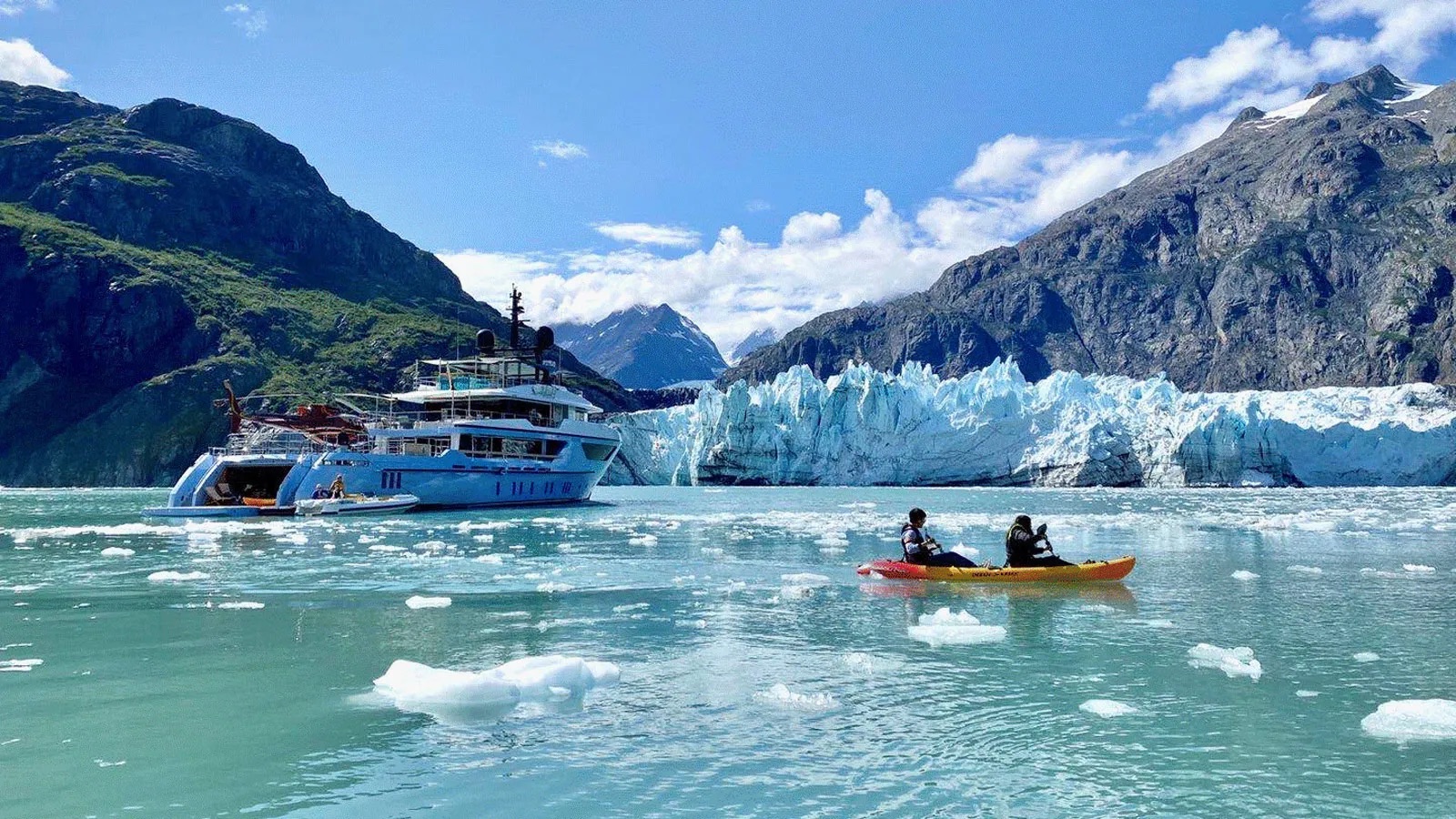
A professional polar navigator or ice pilot is typically brought onboard to assist with reading ice formations, interpreting weather patterns, and selecting safe routes through shifting pack ice. For owners planning Arctic yachting trips, these specialists are indispensable for responsible operation and environmental stewardship.
Long-range autonomy is equally crucial. Expedition yachts are fitted with large fuel reserves, extended-provisioning freezers, and robust waste-management systems, facilitating weeks of self-sufficiency far from ports.
Equipment & Tenders for Arctic Cruising
True expedition-style adventures require equipment that goes far beyond standard tender garages. Ice-class explorers often carry:
- Enclosed, heated tenders for safe transit in cold, rough waters
- Snowmobiles, all-terrain vehicles, and amphibious craft
- Drones for wildlife observation and scouting
- Scientific equipment for research-oriented polar cruising
- Kayaks, Zodiacs, and rescue boats designed for frigid environments
Because these yachts often serve as platforms for science, photography, or wilderness exploration, tender selection can greatly influence the overall mission profile. This capability is a major factor when assessing an ice class mega yacht cost, as equipment packages can dramatically increase build or refit pricing.
Embrace Life Off the Beaten Path
The rise in demand for ice-class yachts reflects a growing desire among owners and charter guests to explore some of the planet’s most untouched regions. Through robust engineering, reinforced hulls, advanced safety systems, and specialized navigation tools, these vessels make it possible to reach remote corners of the Arctic and Antarctic in comfort and security.
Whether purchasing a purpose-built explorer or undertaking a significant refit, investing in the right expedition yacht ensures unforgettable journeys into the world’s most extreme environments while preserving safety, sustainability, and luxury at sea.