Proper yacht storage is essential to maintaining a vessel’s condition and value. Whether it’s a short off-season break or long-term storage, choosing the right environment helps prevent vessel damage from weather exposure, corrosion, and marine growth.
Storage can also reduce maintenance costs and ensure the yacht is ready for use quickly for the next season. From humid climates to colder northern regions, storage strategies vary widely — which means it’s vital for vessel owners to tailor solutions to their location, usage, and vessel size.
The right setup depends on the climate, how long the yacht will sit unused, and whether you want maximum protection or easier access.
Dry Dock Storage
Dry dock storage is one of the most effective ways to protect a yacht when it’s not in use. By removing the vessel from the water, owners can significantly reduce hull fouling, corrosion, and mechanical system wear.
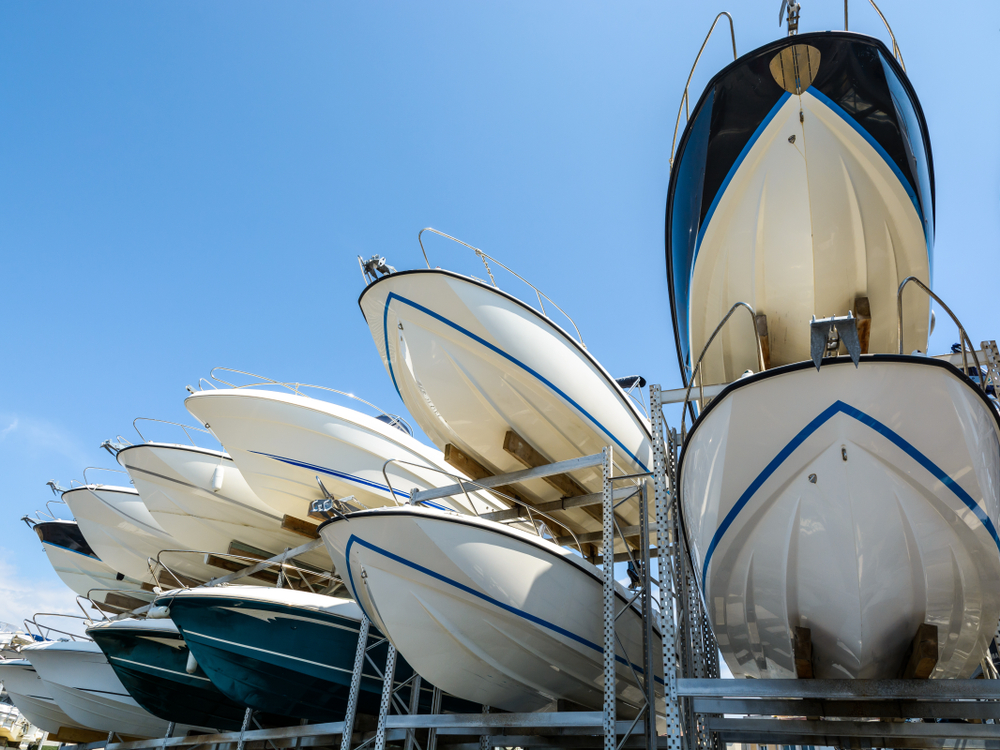
This type of yacht storage typically involves hauling the vessel onto land using a travel lift and securing it on blocks or cradles. Many facilities offer covered or indoor options — including dry-stack storage — which provides additional protection from sun, rain, and storms. Depending on the facility and the owner’s budget, storage may be indoor, covered, or open-air.
Dry dock storage is often preferred for long-term storage or offseason layups as it offers strong protection against marine fouling and waterline deterioration. It is also standard for yacht winter storage in colder climates, where freezing temperatures can cause serious damage if vessels are left in the water.
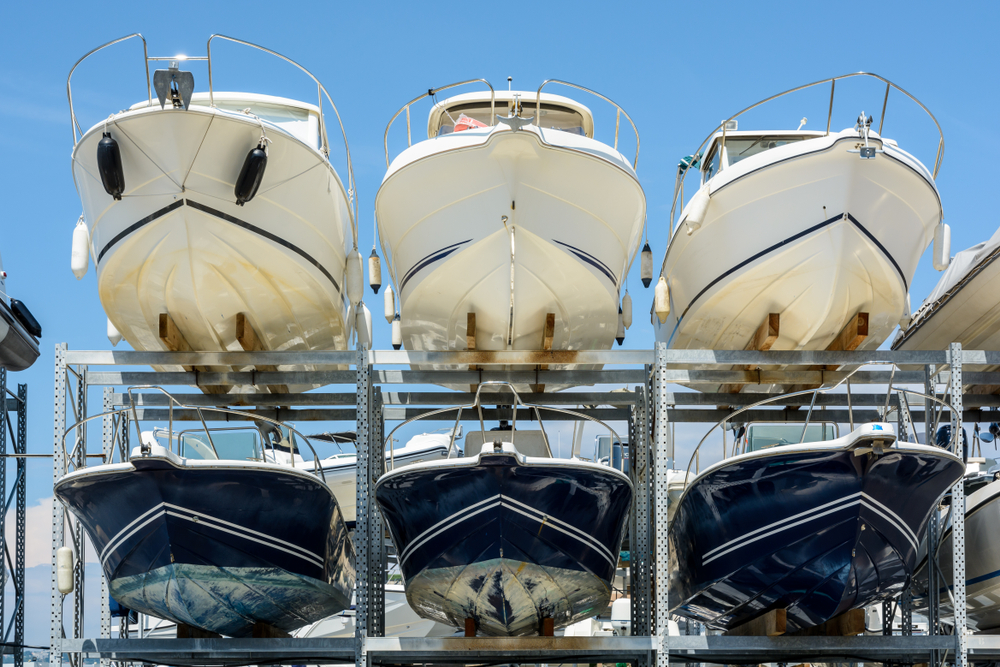
In hurricane-prone regions, some vessel insurers may also require dry storage during a storm. Some facilities offer hurricane or seasonal contracts that guarantee space in the event of severe weather. When considering a dry-stack facility, make sure the structure is hurricane-rated to withstand strong winds — some facilities are built to withstand Category 5 winds — and carefully review their reservation policies and terms of service.
Dry-stack storage is typically suited for smaller vessels, although size constraints vary by facility. Boats are stored — or stacked — on racks inside a warehouse-style building, offering strong protection against the weather but introducing some risks during lifting and launching.
Costs for dry dock storage are usually based on vessel size and may include additional fees for haul-outs and launches. While this option reduces in-water wear, owners should factor in handling risks during movement and storage.
Marina Storage
Marina storage — often referred to as wet storage — keeps a yacht in the water at a dock or slip, offering more convenience and quick access for frequent vessel users. For owners who use their boats frequently, this is often a practical option for getting to open water quickly, as it eliminates the need for haul-outs and lift scheduling.
This storage option is more common in warmer regions like Florida, where year-round boating may reduce the need seasonal storage.
However, that convenience has some trade-offs. While the pros might be accessibility and convenience, it leaves the boat continuously exposed to weather, salt, wake, and nearby boat traffic, which can increase wear and maintenance. These types of storage also require more ongoing maintenance — hull cleaning, anti-fouling treatments, and regular system checks are essential to combat saltwater exposure and marine growth.
Some marinas offer covered slips or floating docks that provide partial protection, helping mitigate weather-related wear while maintaining easy access.
Marina storage is often one of the more expensive options compared to dry docking or dry stacking, particularly in high-demand locations, so vessel owners should keep that in mind when weighing up the options.
Yacht Winterization
Yacht winterization is a critical step for vessels stored in cold-weather regions. In many northern areas, vessels in colder areas are pulled from the water for storage during the winter months to prevent freeze-related damage.
Without proper preparation, freezing temperatures can crack plumbing systems, damage engines, and compromise onboard equipment. Winterization helps safeguard these systems and maintain the vessel’s long-term condition.
This winterization process may typically include:
- Draining and flushing water systems
- Adding antifreeze where necessary (usually in colder weather)
- Stabilizing fuel and lubricating engines
- Servicing batteries
- Removing or protecting sensitive electronics and soft furnishings
- Sealing openings to prevent moisture
Even in milder climates, partial winterization can be beneficial during extended periods of inactivity to make sure systems remain in optimal condition. Even in regions like Florida, occasional cold snaps, combined with heat and humidity, can still lead to corrosion, mildew, and system degradation if a vessel is left unattended.
Indoor vs Outdoor Storage
Choosing between indoor and outdoor yacht storage depends on several factors, including your budget, availability, and the level of protection required.
Indoor storage provides the most protection against environmental elements, including UV exposure, humidity, and storms. Climate-controlled facilities can also provide an added layer of protection for sensitive materials, finishes, and onboard systems, helping to shield the vessel from temperature fluctuations. They can also help reduce the risk of debris-related damage in the area.
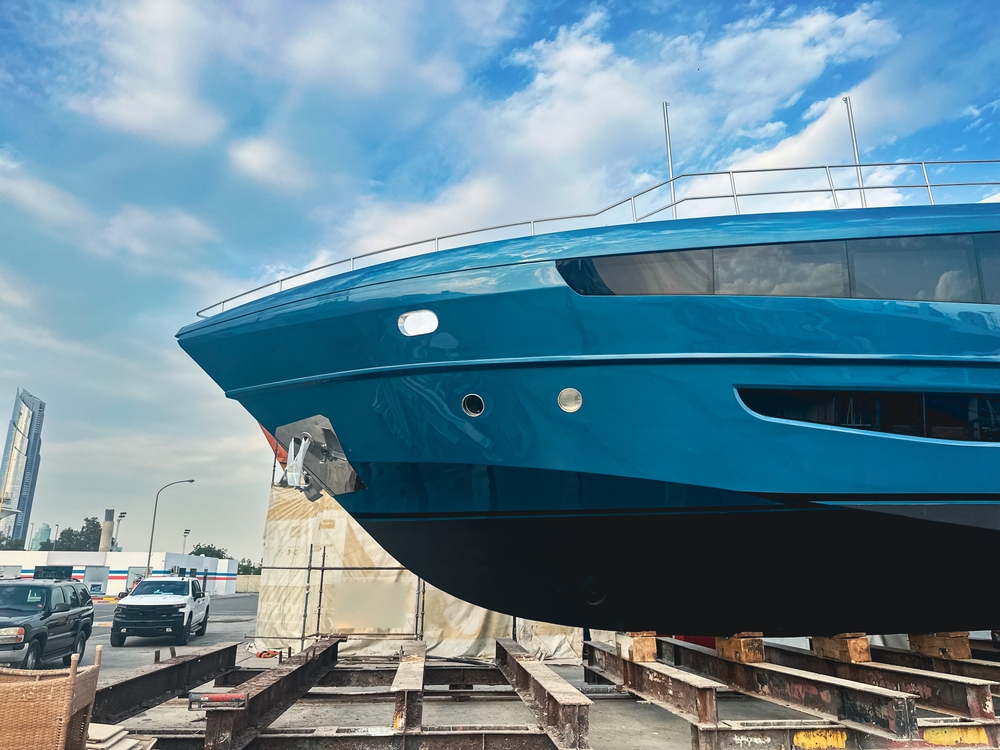
Outdoor storage, while more cost-effective, leaves the vessel exposed to the elements. Many owners may try to mitigate this exposure by using shrink wrap or custom covers to provide an additional layer of protection for their vessels, along with proper ventilation to prevent moisture.
Yachts stored outdoors typically also require more frequent inspections to prevent weather-related damage. If the yacht is stored outside, a secure cover or shrink wrap, good ventilation, and a clean, dry interior are essential.
For long-term yacht storage, indoor storage is typically preferred, especially for high-value vessels or those in extended downtime.
Preparing a Yacht for Storage
Preparing a vessel properly is vital to maintaining a yacht’s condition during storage. Before hauling or docking their vessel, owners should make sure to:
- Clean and dry all surfaces, including the hull and interior
- Inspect the hull, deck, and equipment
- Service engines and mechanical systems
- Flush water systems
- Disconnect batteries or ensure proper charging systems are in place
- Inspect and service engines and mechanical systems
- Secure all openings, doors, and hatches to prevent moisture intrusion
- Remove perishable items and valuables
For vessels entering dry dock storage or undergoing a yacht refit, this preparation stage is also an ideal time to address maintenance projects and upgrades.
Owners should also review their insurance coverage — particularly if they’re in a hurricane zone — to understand their hurricane coverage, requirements, and limits, as well as the steps and procedures necessary if a storm comes their way. Establish a plan to periodically inspect the vessel and understand the procedures and timelines required to get your vessel back in the water, so there are no unexpected delays or issues for future trips.
Selecting the Right Yacht Storage
Selecting the right yacht storage solution — whether dry dock, marina, or indoor storage — plays a vital role in protecting a vessel’s longevity, performance, and value. While each option offers distinct advantages, considering factors such as climate, usage, and duration helps vessel owners make informed decisions that safeguard their investment year-round.
With proper yacht winterization and careful preparation, owners can ensure their vessels remain protected and in excellent condition, ready to return to the water quickly and safely for their next trip.