When the boating season winds down and temperatures begin to drop, every boat owner faces a crucial maintenance task: winterizing a boat. Whether you own a fishing vessel, a cabin cruiser, or a sleek runabout, preparing your boat for winter is essential to prevent expensive damage from freezing temperatures and long-term inactivity. Skipping this step can result in cracked engines, burst pipes, mold growth, and corroded fuel systems—issues that could cost far more to repair than it does to properly winterize your boat.
But how do you winterize your boat correctly? And what does the process actually involve? In this detailed guide, we’ll walk you through everything from what winterizing a boat is, to what tools you’ll need, how much it typically costs, and even how to reverse the process in spring. Whether you’re handling this task yourself or hiring a professional, this guide will help you make informed decisions and protect your investment.
What Is Boat Winterization?
Before diving into the “how,” it’s important to understand the “what.” What is boat winterization? In simple terms, winterizing a boat is the process of preparing your vessel to endure cold weather conditions while it’s not in use. This includes draining water systems, stabilizing fuel, protecting the engine, and covering or storing the boat properly.
Winterizing a boat minimizes the risk of freeze-related damage and corrosion, especially in vulnerable areas such as the cooling system, water lines, fuel tank, and engine. The process also protects upholstery, electronics, and other onboard equipment from moisture and temperature fluctuations. It’s the marine equivalent of winterizing a car, only more complex due to the number of systems that use, or encounters water that are involved.
Checklist: How to Winterize Your Boat
If you’re a first-time boat owner and wondering how to winterize a boat, here’s a general step-by-step checklist that applies to most recreational vessels:
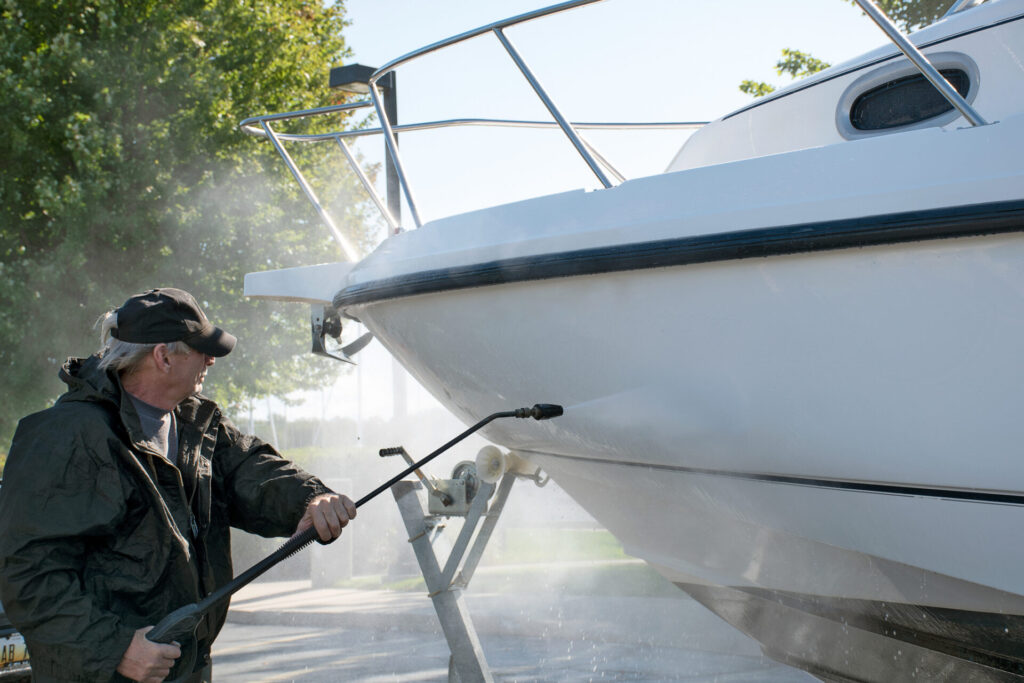
- Clean the boat thoroughly inside and out. Remove food, valuables, and anything that might mold or freeze.
- Drain all water systems, including freshwater tanks, bilges, sinks, and heads. Use a wet-dry vacuum or air compressor to remove residual water.
- Add antifreeze to water systems and the engine block. Use marine-grade, non-toxic antifreeze.
- Stabilize the fuel by adding a marine fuel stabilizer to the gas tank and running the engine to circulate it.
- Fog the engine cylinders (especially for outboard motors) using fogging oil to prevent internal corrosion.
- Change the oil and filters, particularly in inboard and sterndrive engines, to remove acidic byproducts that can cause corrosion.
- Disconnect the battery and store it in a dry, temperature-controlled environment. Check fluid levels and trickle-charge occasionally.
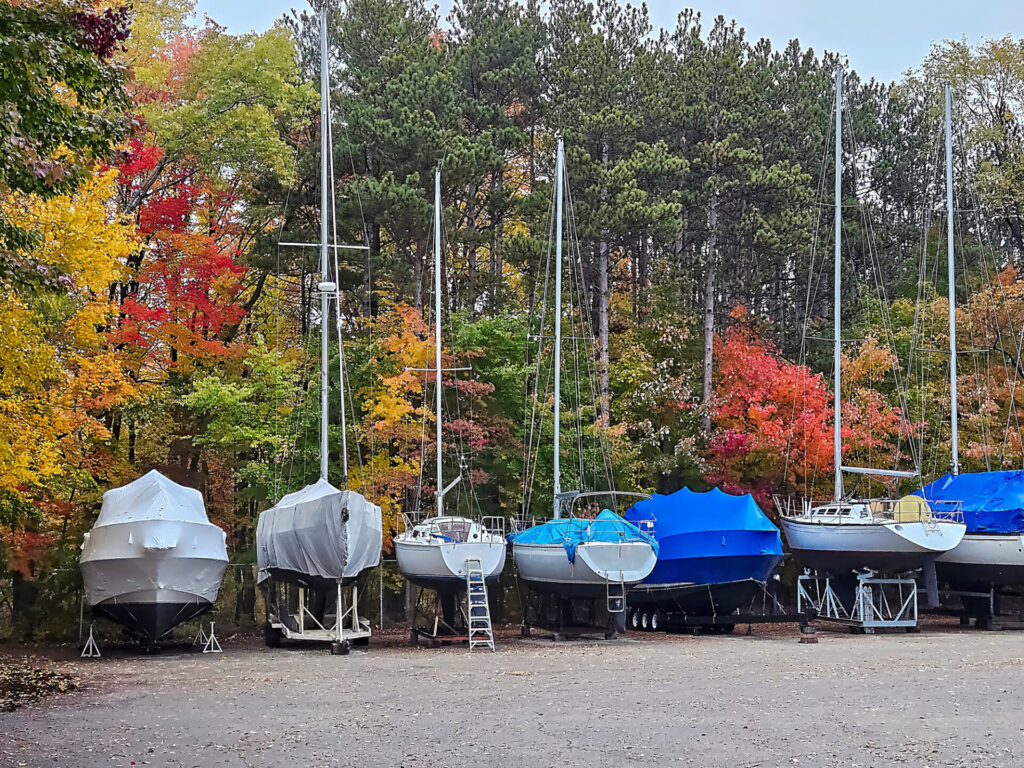
- Cover the boat with a high-quality, breathable cover or shrink wrap. Ensure vents are in place to avoid condensation buildup.
These steps cover the basics of how to winterize a boat but always refer to your owner’s manual for brand- or model-specific requirements.
Tools and Products You’ll Need
To get the job done effectively, you’ll need some essential supplies and tools. Some boaters opt for a “boat winterizer kit”, which includes many of these items in one bundle. At a minimum, prepare to have:
- Non-toxic marine antifreeze
- Fuel stabilizer
- Fogging oil
- Engine oil and filter
- A water pump or air compressor
- Wet/dry vacuum
- Battery trickle charger
- Marine-grade cleaning supplies
- Shrink wrap or breathable boat cover
If you’re dealing with an outboard or inboard engine, make sure you know the specific process. For example, how to winterize an outboard engine often involves tilting the engine down, draining any residual water, and using fogging spray. Conversely, how to winterize an inboard boat motor typically requires flushing the engine with antifreeze and paying special attention to exhaust manifolds and raw water intakes.
How Much Does It Cost to Winterize a Boat?
The answer to, how much does it cost to winterize a boat depends on several factors including boat size, engine type, location, and whether you DIY or hire a professional.
- DIY boat winterization: Costs range from $100 to $300 for antifreeze, oil, stabilizer, and other supplies.
- Professional service: To winterize a boat cost with professionals typically ranges from $250 to $700, though larger vessels with complex systems can exceed $1,000.
This variation explains why some owners choose to do it themselves, even if it takes time. Still, inexperience can lead to costly mistakes, so if you’re unsure, investing in a reputable service is a smart move. And don’t forget storage fees—indoor heated storage is often pricier but adds an extra layer of protection.
FAQs
When to winterize boats?
Ideally, start the boat winterization process when water temperatures drop below 50°F (10°C), which is usually late fall in most regions. Don’t wait until freezing temperatures arrive.
Can I skip winterization if I store it indoors?
Even in indoor environments, it’s wise to winterize your systems. Heat can fail or drop, and condensation or fuel degradation can still occur.
Is there a difference between winterizing and dewinterizing?
Yes. While a winterized boat involves prepping it for storage, when you dewinterize boats, it means reversing those steps—reconnecting batteries, flushing antifreeze, and inspecting systems before launch.
Do I need to winterize in warm climates?
In warmer areas, complete winterization may not be necessary, but partial boat winterization—like fuel stabilization and battery care—is still recommended during long storage periods.

Boat Winterization Is More Than a Chore—It’s a Commitment to Longevity
Too many owners underestimate the value of winterizing a boat, seeing it as a seasonal burden rather than a safeguard. But the reality is clear: skipping this step can lead to preventable repairs, off-season stress, and a delayed start to your next boating season.
Whether you’re doing it yourself or working with a pro, understanding how to winterize your boat gives you greater control over maintenance and peace of mind that your vessel will be shipshape come spring. From knowing how to winterize an outboard engine to calculating the costs to winterize a boat, this process protects more than just parts—it protects memories waiting to be made on the water.
So, take the time, gather the tools, and treat boat winterization as a seasonal ritual of care to increase the lifetime of your boat, and keep your overall maintenance and operating costs down. Your future self—and your boat—will thank you.