The yacht engine is the beating heart of any vessel, powering everything from leisurely weekend cruises to transoceanic adventures. While sleek exteriors and luxurious interiors often capture attention, it is the engine below deck that ensures reliability, safety, and performance. For owners, crew, and enthusiasts alike, understanding how engines work, how to size them, and how to properly maintain them is essential. From the intricacies of the yacht engine room to the choices between diesel, hybrid, or electric propulsion, knowledge of this core component can mean the difference between smooth sailing and unexpected breakdowns.
Types of Yacht Engines
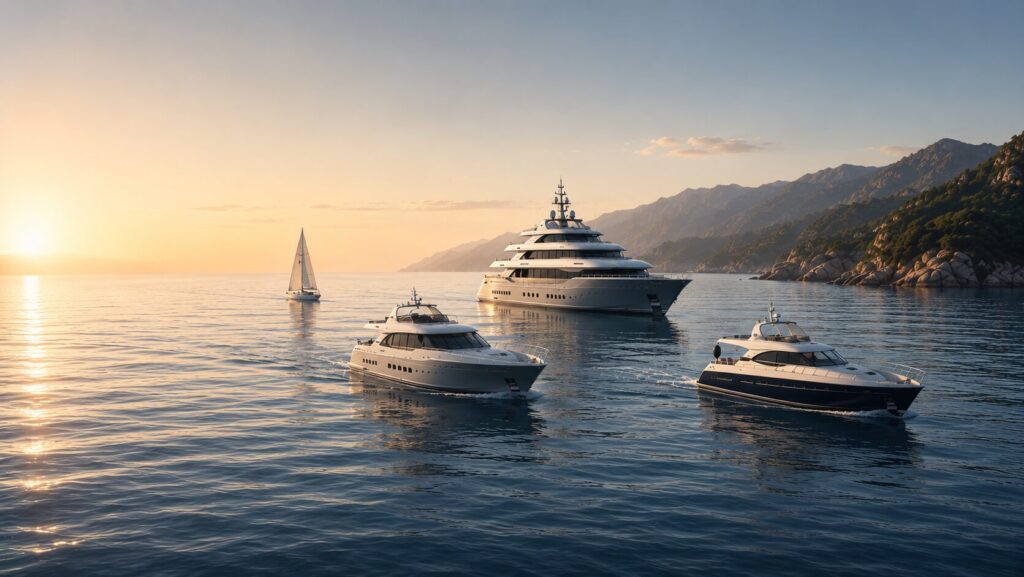
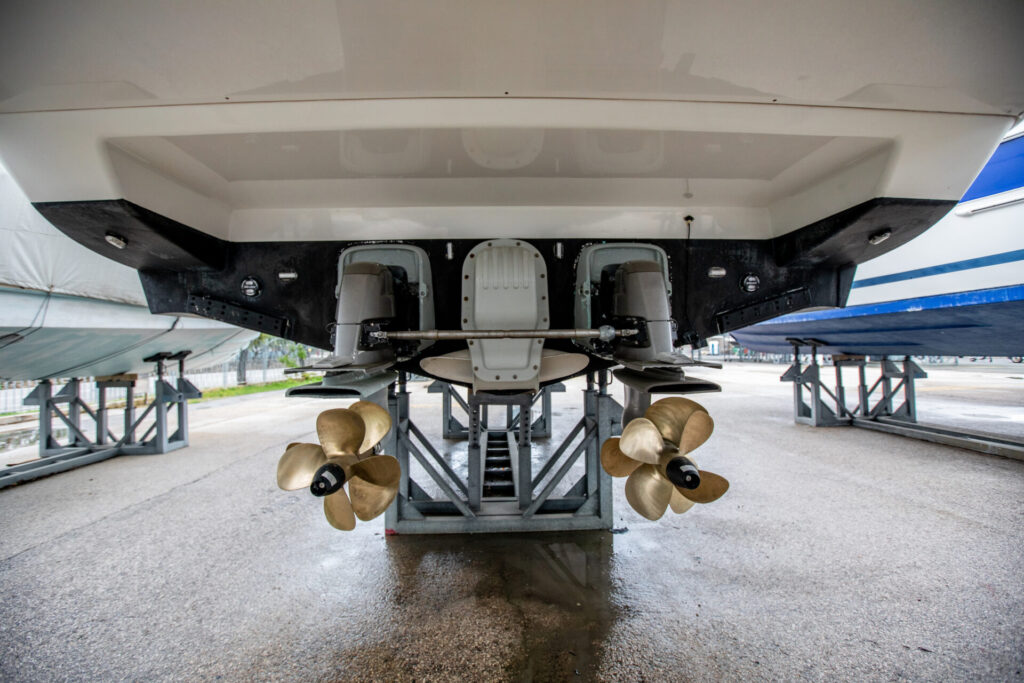
When it comes to propulsion, types of boat engines vary based on vessel size, cruising style, and yacht fuel efficiency needs. The majority of larger yachts rely on inboard diesel engines, prized for their durability, fuel economy, and torque at lower speeds. These engines are built to withstand long journeys and heavy loads, making them the most common engine for yachts in the 79’ (24m) and above category.
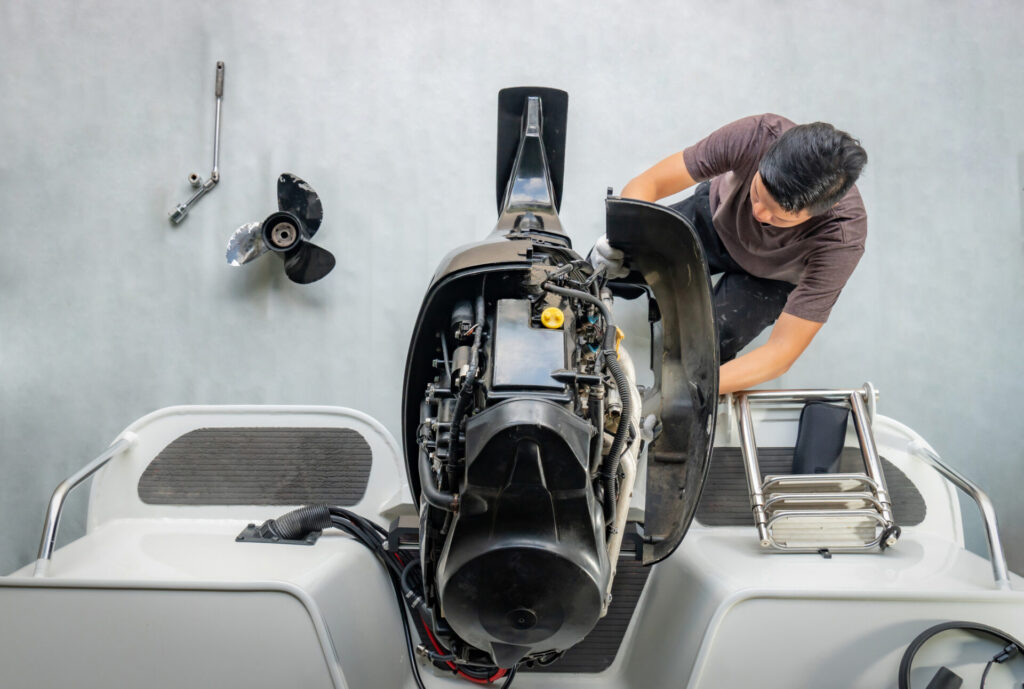
Gasoline engines are less common in yachts but still appear in smaller boats where lighter weight and higher horsepower-to-weight ratios are advantageous. Increasingly, hybrid and electric engines are making their way into the market, particularly for eco-conscious owners seeking reduced emissions and quieter cruising. These options highlight the growing diversity in yacht propulsion, allowing buyers to align their choices with performance goals and sustainability priorities.
Yacht Engine Size & Power
Selecting the right size engine is critical for performance, safety, and efficiency. A boat engine size calculator can help owners and builders determine the ideal horsepower and displacement required for their yacht. Factors such as yacht hull shape, yacht weight, cruising speed, and intended range all play a role in sizing.
An engine that is too small may overwork and wear down prematurely, while an oversized engine can burn unnecessary fuel and add unnecessary weight. For example, planing yachts that aim to travel quickly over the water need more horsepower, while displacement yachts benefit from engines optimized for steady, long-distance cruising. Correct sizing ensures that the engine delivers optimal thrust without compromising efficiency.
Yacht Engine Room Overview
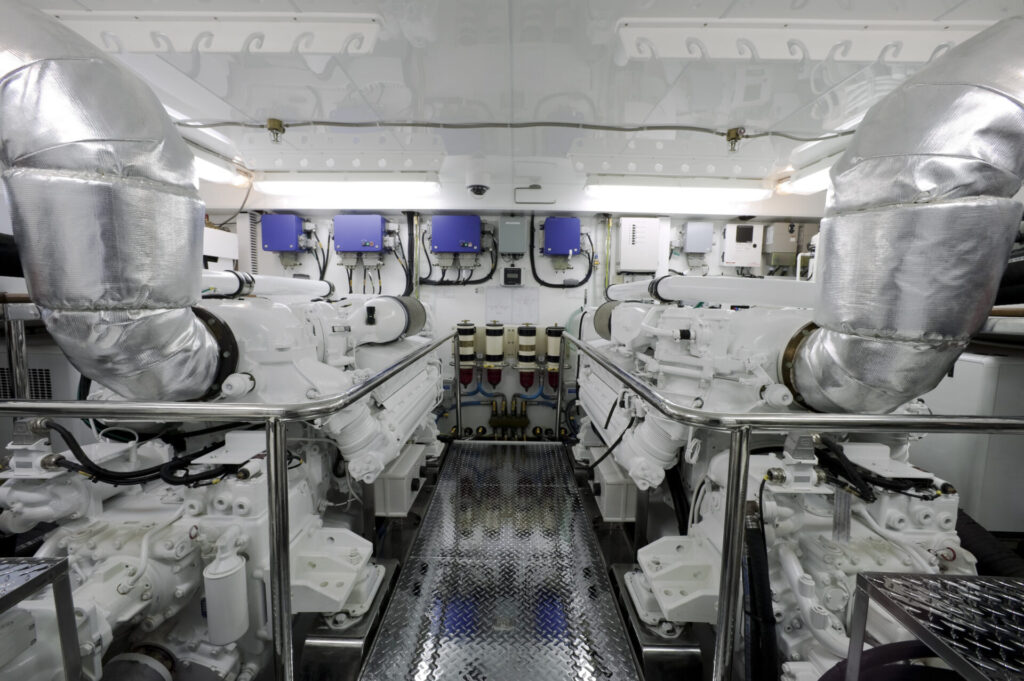
The yacht engine room is more than just a compartment housing machinery—it is a carefully designed space that supports safety, ventilation, and accessibility. On larger superyachts, engine rooms are engineered with fire suppression systems, soundproofing, and redundant equipment to safeguard operations. Yacht crew members often spend considerable time in this area, monitoring systems and performing routine checks.
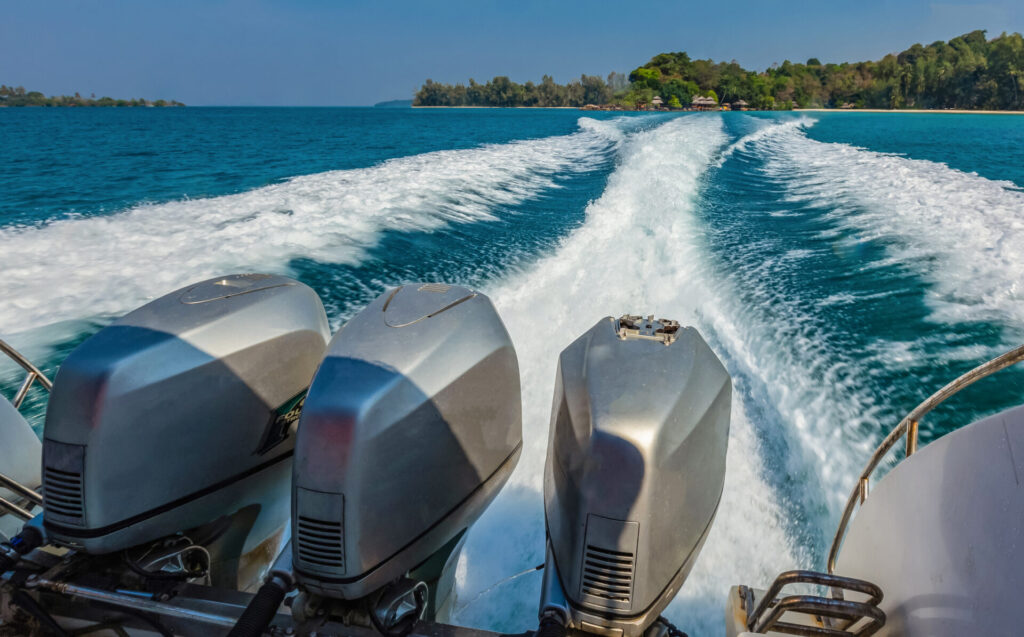
Good design allows for sufficient airflow to prevent overheating and ensures mechanics can access critical components for maintenance. A well-maintained engine room is also a reflection of professionalism, reassuring owners, guests, and regulatory bodies that the yacht meets high safety standards.
Sailboat Engines
While yachts often rely on large diesel systems, the sailboat engine serves a different purpose. Primarily used for docking, maneuvering, and motoring in calm conditions, these engines are usually smaller in size but must still be reliable. Depending on the sailboat’s size, options range from compact single-cylinder diesels to more robust multi-cylinder models.
In recent years, electric propulsion has gained traction among sailors looking to reduce noise and reliance on fossil fuels. Although range remains limited compared to traditional fuel systems, advances in battery storage and hybrid setups are making electric sailboat engines increasingly practical. Owners considering upgrades should weigh performance needs against environmental impact and future-proofing their vessel.
Yacht Engine Service & Maintenance
Owning a yacht comes with the responsibility of regular yacht engine service. Preventative maintenance not only extends the life of the engine but also protects against costly failures at sea. Routine tasks include oil and filter changes, cooling system inspections, fuel system cleaning, and monitoring of exhaust systems.
Professional yacht engine service providers often recommend comprehensive annual checks, especially before long cruising seasons. For charter yachts, strict service schedules are not just recommended but required, ensuring compliance with safety regulations and minimizing downtime. Proper record-keeping also plays a vital role, offering transparency to buyers when a yacht enters the resale market.
Upgrading or Replacing a Yacht Engine
Even the most durable engines reach a point when upgrading or replacing them becomes necessary. Advances in propulsion technology, including hybrid systems and advanced monitoring software, offer compelling reasons to consider a new engine for yachts. Owners often weigh the cost of replacement against long-term yacht fuel savings, reliability, and environmental considerations.
In some cases, a repower project can breathe new life into a classic yacht, improving performance while enhancing resale value. It also presents an opportunity to revisit the design of the engine room, upgrading insulation, ventilation, or layout for improved efficiency. By consulting with marine engineers and experienced service providers, owners can ensure that a replacement engine meets the yacht’s long-term goals.
A Final Word on Smooth Sailing
The yacht engine plays a central role in safety, performance, and the overall enjoyment of life at sea. By understanding the different types of boat engines, properly sizing propulsion systems, and committing to consistent engine service, owners can safeguard their investment and ensure peace of mind on the water.
Whether upgrading a sailboat engine, exploring hybrid technologies, or optimizing the design of an engine room, informed decisions keep yachts running smoothly for years to come.