The thrill of purchasing your first boat is unforgettable regardless of the model, type, or size. Whether it’s a small runabout for weekend getaways or a sleek motor yacht for coastal cruising, that first boat purchase comes with a bit of a learning curve. For a first time boat buyer, excitement often overshadows due diligence. From underestimating ownership costs to choosing the wrong vessel for their lifestyle, many new buyers fall into the same traps. Whether you’re a first time yacht buyer dreaming of the open ocean or simply looking to enjoy lake days with family, proper preparation is crucial. Understanding the boat market, asking the right questions, and knowing what to expect are the keys to making an informed, satisfying purchase.
Common Mistakes First Time Boat Buyers Make
One of the most frequent mistakes a first-time boat buyer makes is purchasing on emotion rather than logic. It’s easy to fall in love with the appearance of a boat without assessing whether it suits your needs, budget, or boating experience. This often leads to regret, particularly if maintenance or operational costs begin to increase.

Another mistake is failing to factor in the true cost of ownership. It’s not just about the price tag; there are mooring fees, insurance, maintenance, fuel, and unexpected repairs to consider. Skipping a marine survey or sea trial is also a costly error. These essential steps ensure the boat is structurally sound, mechanically reliable, and valued appropriately.
Finally, many new first time boat buyers overlook how important it is to match the boat to their intended use. A motor yacht may be alluring, but if you only plan to spend a few weekends a year on the water, a smaller, simpler vessel might be more practical. Being realistic about your needs, time commitment, and skill level will prevent costly disappointments.
What to Look for When Buying a Boat
Understanding what to look for when buying a boat can dramatically reduce the chances of making a poor investment. Start by determining how you plan to use the boat—cruising, fishing, watersports, or overnight stays. Each use case calls for a different layout, hull type, engine power, and onboard amenities.
Inspect the hull for signs of damage, water intrusion, or repairs, and look closely at the engine’s condition and service records. Pay attention to electronics, plumbing, and electrical systems to ensure they’re up to date and functioning. If you’re considering a motor yacht or larger cruiser, evaluating the living quarters and storage capacity is key, especially if one of your goals is to take extended trips onboard.
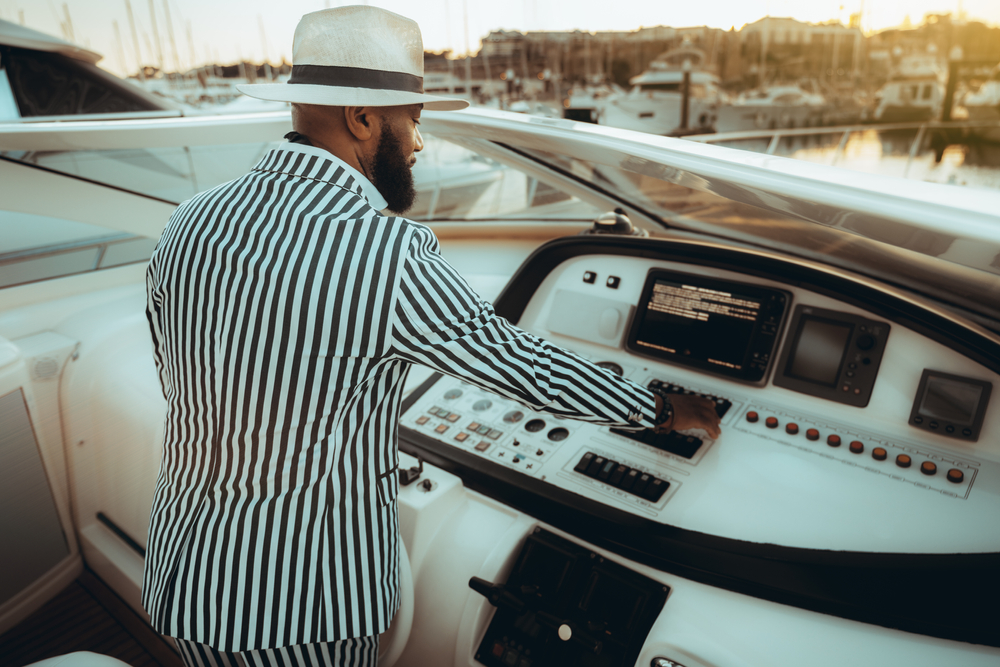
Don’t underestimate the importance of ergonomics and layout. The boat might be mechanically sound, but if it’s uncomfortable or poorly suited to your needs, it will likely go unused. One of the best pieces of boat buying advice is to step aboard and visualize using the vessel in real-world scenarios. Sit at the helm, walk the deck, and imagine docking or anchoring in various conditions.
Tips for Buying a Used Boat
For many first-time boat buyers, a pre-owned vessel offers excellent value, but buying used comes with its own set of considerations. One of the top buying a used boat tips is to verify the vessel’s maintenance history. A well-documented log can give you confidence that the boat has been properly cared for, whereas missing or inconsistent records are red flags.
Always get a professional marine surveyor to evaluate the condition of the boat. They can identify hidden problems—such as hull delamination, engine corrosion, or electrical issues—that might not be visible to the untrained eye. Conduct a sea trial to test how the boat handles and ensure the engine performs reliably under different speeds and conditions.
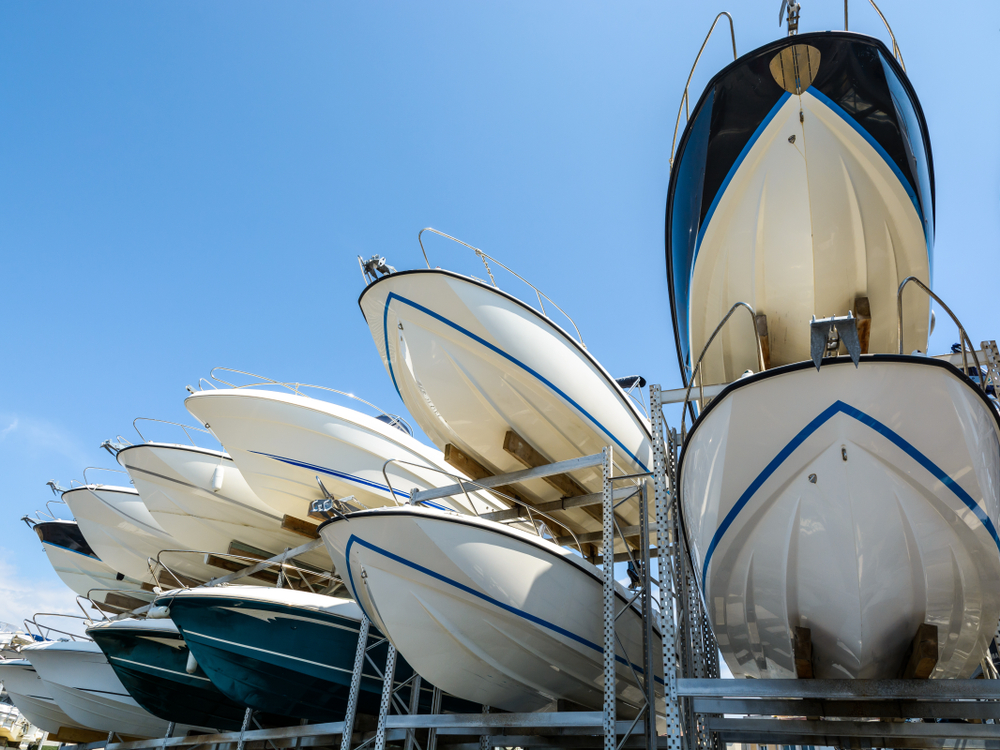
One of the most essential tips for buying boat—whether new or used—is to ask about ownership history and how the boat has been stored. Has it been kept in a dry dock, at a marina, or on a trailer? Boats stored out of water tend to age more slowly, making them a smarter buy for beginners. Understanding these factors is crucial when buying a boat first time, as they can impact both the long-term performance and the resale value of your investment.
Another tip is to buy from a reputable dealer or brokerage that specializes in the type of boat you’re interested in. Private sellers may offer lower prices, but without guarantees or oversight, you’re taking more risk. Whether you’re buying your first motor yacht or a simple center console, don’t rush the process. Take your time, ask questions, and always read the fine print.
Choosing the Best Boat for First Time Buyers
So, that begs the question, what size boat for a first time boat buyer? The answer depends on your boating goals, budget, and experience. If you’re new to navigating and docking, something under 30 feet is often a wise choice. These boats are easier to handle, store, and maintain—and they’re ideal for inland lakes, rivers, and coastal waters.
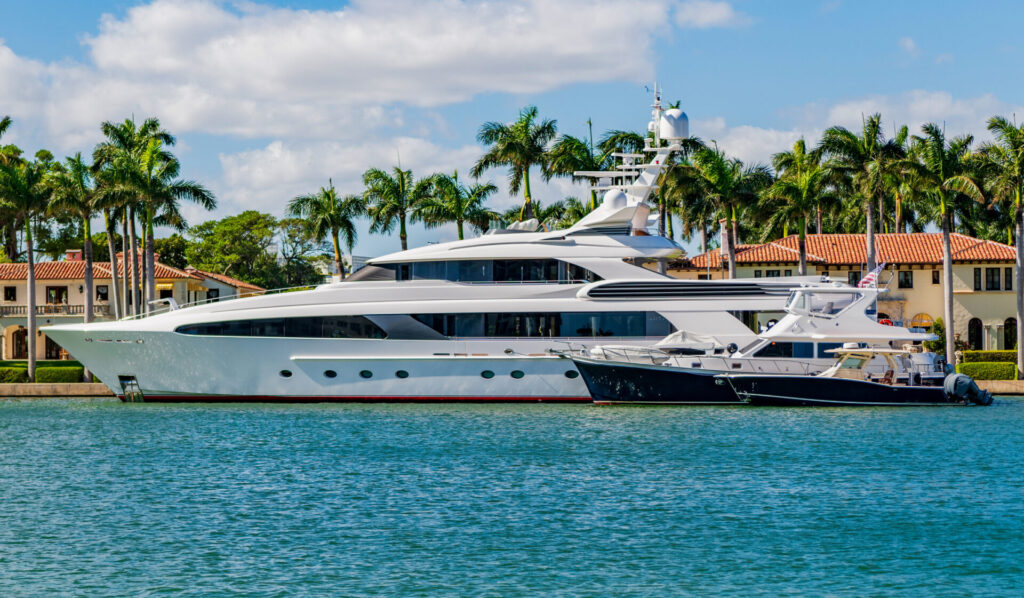
A great option for beginners is a bowrider, ideal for day trips and watersports. If you plan on overnight cruising or want a bit more space, a small cabin cruiser could be a perfect fit. Looking into buying a motor yacht? While they offer comfort and prestige, they also come with higher maintenance and mooring needs, making them more suitable for experienced or well-supported owners.
The best first time boat to buy will be one that balances usability, comfort, and affordability and will vary from one user to the next. Don’t feel pressured to “go big” right away—starting modestly gives you a chance to learn the ropes, gain confidence, and decide what kind of boating lifestyle truly suits you. As you gain experience, you can always scale up to a larger or more luxurious model later.
Smooth Sailing Ahead: Your First Boat, Done Right
Being a first time boat buyer doesn’t have to be daunting. While there are plenty of pitfalls, they’re easily avoided with a thoughtful approach and the right guidance. From understanding what to look for when buying a boat to learning key tips for buying a used boat, each decision you make brings you closer to a confident and enjoyable purchase.
Remember, buying a boat isn’t just a transaction, but an investment in a lifestyle. Take the time to research, ask for help when needed, and match your choice to your needs, not your fantasy. Whether you’re considering a nimble day cruiser or planning to dive headfirst into buying a motor yacht, your best asset is knowledge. With careful planning and a clear understanding of what to expect, your first boating experience can be smooth, satisfying, and the beginning of countless adventures on the water.