For many, owning a superyacht represents the pinnacle of success: a floating mansion that promises privacy, luxury, and freedom to explore the world’s most exclusive waters. But behind the glamour lies a complex web of operational and ownership costs that extend far beyond the initial purchase. From crew salaries and docking fees to yacht maintenance and insurance, the cost of owning a superyacht is a financial commitment few are truly prepared for until they dive in.
This article breaks down what it really takes to own and maintain a superyacht, including the frequently overlooked expenses that can double or even triple the cost over time. Whether you’re eyeing a 100ft yacht, a 120 foot yacht for sale, or simply exploring the idea of entering the world of luxury yachting, understanding these financial nuances is crucial.
Owning A Superyacht: Purchase Price vs. Lifetime Cost
So, how much does a superyacht cost? The answer often depends on the vessel’s size, age, builder, and onboard amenities. The average yacht price for a superyacht (typically classified as 100 feet or more) can range anywhere from $10 million to well over $100 million.
A 100ft yacht might cost around $10–15 million, depending on the level of yacht customization, onboard technology, and interior design. A newer 120 foot yacht for sale with high-end finishes and advanced systems might exceed $25 million easily. And this is just the beginning.
The cost of super yachts should be seen not just in terms of acquisition, but as a continuous investment. Experts suggest budgeting 10–15% of the purchase price annually for upkeep, operations, and unforeseen expenses. That means a $20 million yacht could require $2–3 million each year just to remain operational.
Hidden Costs Of Owning A Superyacht
1. Superyacht Maintenance Cost
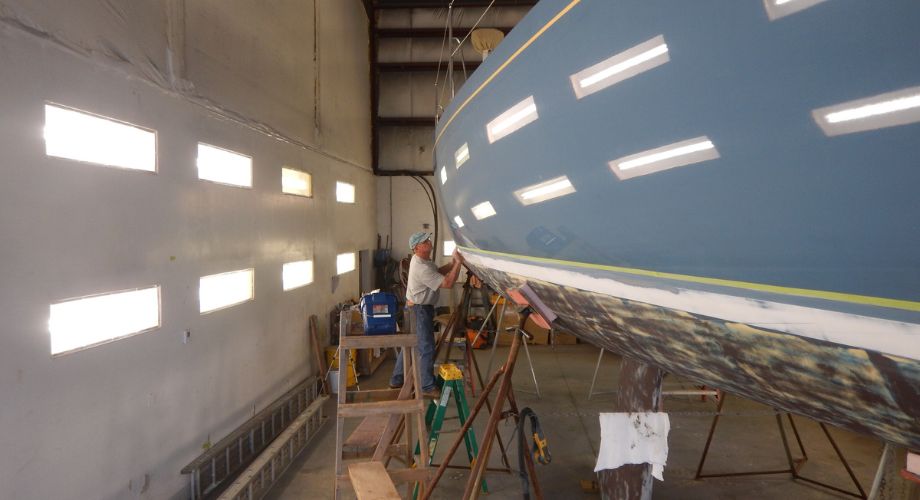
The yacht maintenance cost is one of the largest recurring expenses. Routine yacht hull inspections, engine servicing, system upgrades, and yacht refits can add up fast. For larger yachts, a single refit every five to seven years can run into the millions. Even annual wear-and-tear costs—paint, teak deck upkeep, and HVAC checks—can stretch into six figures.
2. Yacht Crew Salaries

A superyacht is only as good as its crew. From captains and engineers to chefs, stewards, and deckhands, crew payroll is a massive line item. A mid-size luxury superyacht might employ eight to 15 full-time staff members. Depending on experience and role, salaries can range from $40,000 to over $150,000 per person annually. Add in health insurance, housing, and travel expenses, and the crew budget alone could exceed $1 million each year.
3. Fuel and Docking
The superyacht cost of fuel varies widely based on cruising frequency and vessel size, but it can easily top $500,000 annually for large yachts. Docking at prestigious marinas in Monaco, the Caribbean, or the Maldives is not cheap either. Berth fees are often calculated per foot per day and can range from hundreds to thousands of dollars depending on season and location.
4. Yacht Insurance
A comprehensive yacht insurance policy for a superyacht typically runs 1–2% of the yacht’s value per year. For a $20 million vessel, that’s $200,000–$400,000 annually. Coverage includes everything from yacht hull damage and liability to piracy protection and natural disaster coverage. Again, the cost and type of coverage will vary based on your cruising plans.
5. Compliance and Regulation
Yacht flag state requirements, international maritime laws, crew certifications, and safety audits add another layer of ongoing expense. Ensuring your vessel complies with SOLAS, ISM, and MLC regulations involves consulting with maritime law firms and classification societies, all of which charge premium rates.
6. Superyacht Depreciation
Unlike real estate, yachts depreciate quickly. A superyacht can lose 10–20% of its value within the first few years, depending on market conditions, usage, and resale desirability. Yacht owners looking to sell after only a few seasons may recoup far less than expected. This is another hidden cost that’s hard to calculate but important to anticipate.
Chartering Offset: Does It Help?
Some yacht owners choose to place their vessels into the superyacht charter market to offset costs. While it’s true that superyacht charter cost can command high weekly rates—anywhere from $150,000 to $500,000 or more—charter income rarely covers all expenses.
For one, the yacht must be charter-ready, meaning it’s maintained to impeccable standards and stocked with high-end water toys, linens, and dining ware. Charter guests expect exceptional service, which means retaining a full crew year-round, even when not in use.
Additionally, increased usage leads to more wear and tear, requiring more frequent maintenance. Charter management companies typically take a cut of around 20%, and peak charter seasons vary depending on geography. So, while chartering can help offset some expenses, it’s far from a cost-neutral solution.
It’s worth noting that yachts used heavily for charter may not be as personally tailored for the owner’s preferences either, as they’re often designed with guest appeal in mind. Those who prioritize privacy and yacht customization may find chartering undermines their enjoyment.
The Real Price of Owning A Superyacht
Owning a superyacht is a lifestyle choice steeped in luxury, exclusivity, and extraordinary freedom. But it’s also a serious financial undertaking; one that goes well beyond the glossy brochures and sleek lines of a newly launched vessel.
The cost of owning a superyacht isn’t just about the sticker price. It’s an ongoing commitment to quality, safety, staffing, and legal compliance. From superyacht maintenance cost to yacht fuel, docking, and insurance, every nautical mile comes with its own price tag.
Understanding the true owning a superyacht cost isn’t meant to discourage ownership, but to ensure it’s approached with open eyes and a sound financial strategy. With the right preparation, owning a superyacht can be one of life’s most thrilling ventures. The rewards are unmatched: private anchorages, sunset dinners at sea, and the ability to experience the world from your own floating oasis.