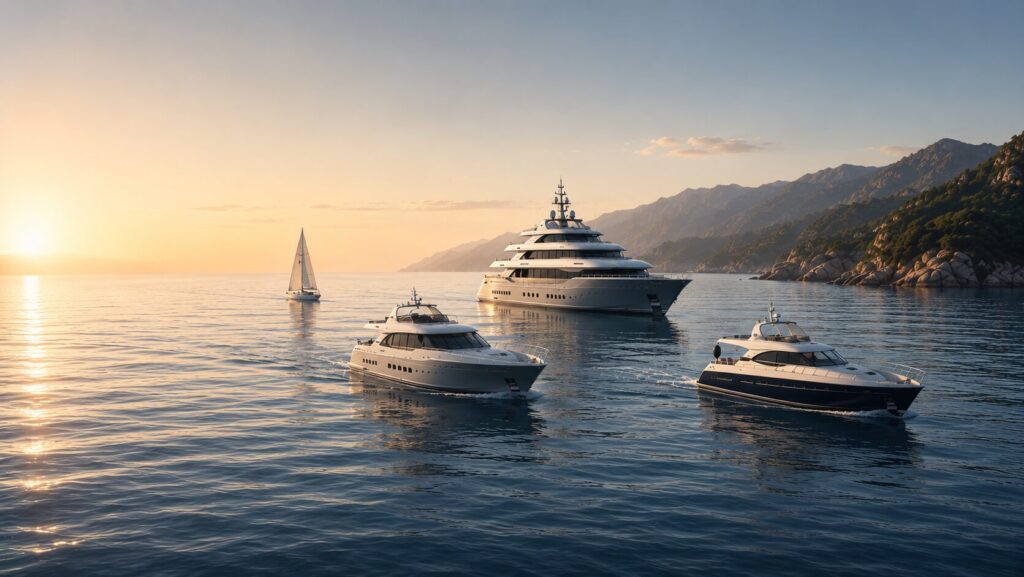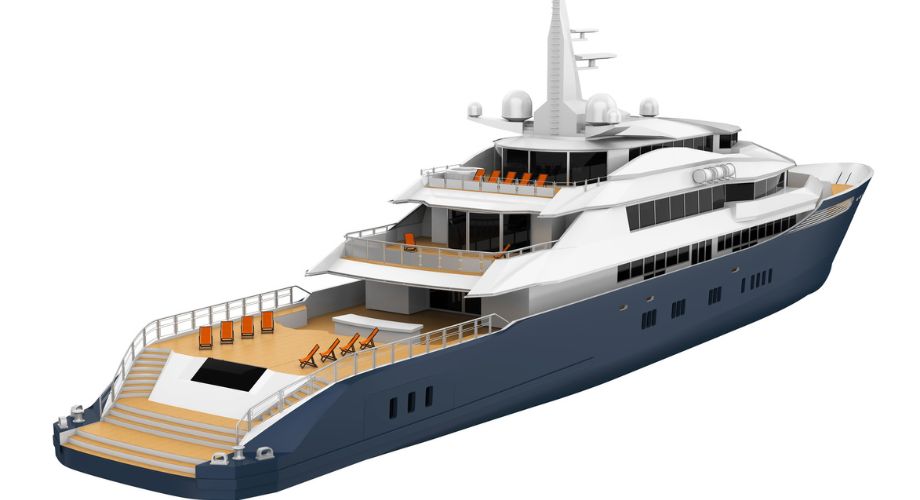
Yachting has long embodied freedom, luxury, and bespoke yacht designs. But in recent years, a new frontier has emerged with the creation of adaptive yacht layouts that respond to how people actually live, entertain, and move aboard. Once defined by rigid blueprints, the yacht layout is now a dynamic, tech-enhanced ecosystem of smart, modular spaces. Propelled by advances in modern yacht interior design and artificial intelligence, today’s yachts are becoming more versatile, intuitive, and efficient. Whether aboard a 40 foot sailboat or a 90-meter superyacht, yacht owners and guests now expect more from every square inch of how their yachts are designed and will function and maneuver over time.
Understanding Yacht Layouts: From Fixed to Flexible
Historically, the floor plan of a boat was a straightforward affair: engine rooms, staterooms, galley, salon, and outdoor decks, each assigned a single, static purpose. Over time, builders and yacht designers began to push those boundaries, introducing open-concept salons, beach clubs, convertible tender garages, and clever hidden storage. But the revolution didn’t stop there. Today’s high-performance and luxury yachts increasingly adopt modular design strategies, where walls fold, floors elevate, and furniture adapts.
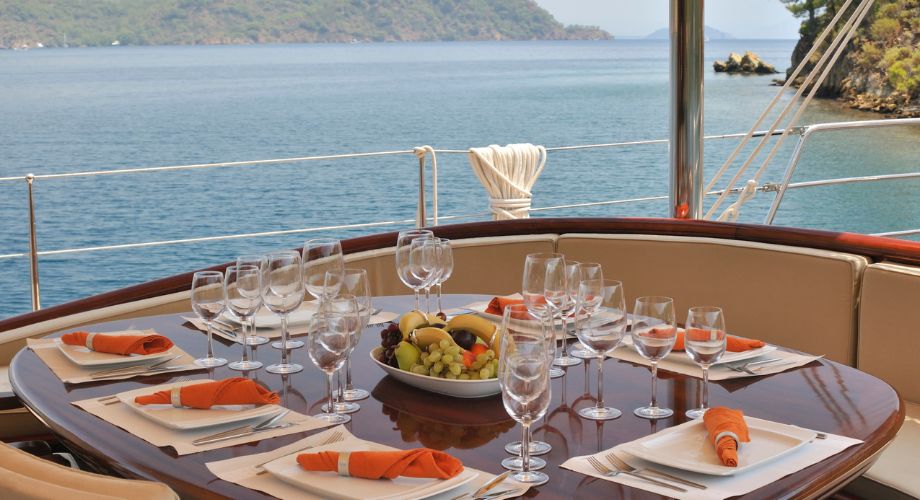
On large motor yachts, these transformations might include lounges that become media rooms or sun pads that slide open to reveal hot tubs. In the case of sailing yachts, where space is at a premium, designers have refined every detail to deliver maximum functionality without compromising the essence of sailing tradition. Across the board, this flexibility is shaping how the yacht layout supports a more fluid and responsive onboard lifestyle.
Activity-Based Zones: The New Standard
Modern yachting is not just about lounging in luxury; it’s about the experience—socializing, wellness, adventure, and privacy all rolled into one. In response, designers are moving away from purely spatial divisions and toward activity-based zones that reflect real user behavior. Instead of a salon, there might be a “social hub.” Rather than a simple deck area, an owner may request a “wellness terrace.”
This zoning strategy can be found on new builds by shipyards like Feadship, Sanlorenzo, and Oceanco, which now prioritize convertible beach clubs, glass-enclosed gyms, and multi-purpose lounges. The transformation of a garage into a cinema, or a massage suite into an office, is no longer a novelty but expected. It’s not just about aesthetics; it’s about how space performs under different modes of use.
Interior materials and lighting have also evolved to match this versatility. Smart glass can shift opacity for privacy. Mood lighting adjusts by time of day or function. Soft partitions allow spaces to expand, or contract based on need. These innovations are now integral to modern yacht interior design, redefining how the onboard environment interacts with its occupants.
AI Yacht Design: Smart Yacht Layouts on Demand
Perhaps the most transformative force in next-gen yacht layout development is artificial intelligence. AI yacht design is increasingly used during the planning stages to simulate how owners and guests will move through and use the vessel. By analyzing patterns, such as foot traffic, preferred seating areas, or even how long people spend in different rooms. AI can recommend smarter, more user-centric configurations.
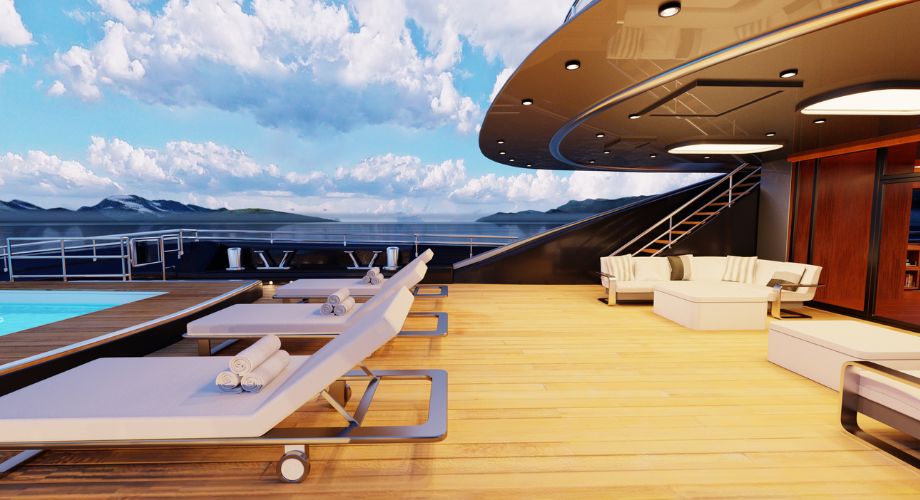
Some AI systems now model multiple “day in the life” scenarios: a charter with kids, a couple’s escape, or a corporate event. From these simulations, yacht builders can adapt the space accordingly, building sliding walls, hidden storage, and even reconfigurable furniture that responds to different settings. In the future, yachts may feature interiors that automatically adapt when the owner walks aboard, from shifting lighting, furniture placement, and ambient temperature based on past preferences and the day’s planned activities.
This shift to intelligent design is also streamlining refits. Rather than relying on static CAD drawings, owners and yacht designers can co-create interactive yacht layouts with real-time feedback from AI-powered modeling tools. It’s a faster, smarter, and more personalized approach to space planning than the industry has ever seen before.
Yacht Layout Variability in Sailboats and Smaller Yachts
The push for adaptable design isn’t limited to large motor yachts. In fact, space-saving ingenuity is perhaps most critical aboard sailing yachts and compact vessels like the 40 foot sailboat. With different types of sailboats, the challenge lies in packing comfort, safety, and multi-functionality into a more constrained envelope.
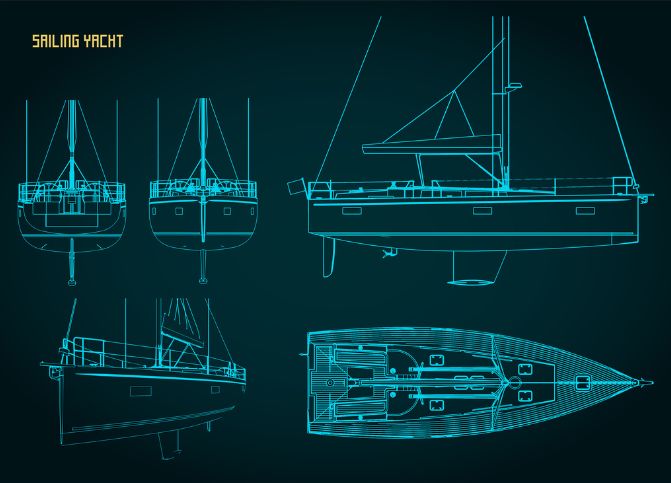
Today’s models of sailboats often include clever solutions such as rotating cockpit tables, galley modules that expand when in use, and convertible berths that double as lounge seating. Builders like Beneteau, Hanse, and Dufour have been early adopters of ergonomic, transformable interiors that blur the line between traditional sailing and modern luxury.
For many owners, especially those who weekend or live aboard their vessels, the deck of a sailboat must also work overtime. Helm stations need to be both functional and comfortable. Depending on the types of sailboats being designed, aft platforms serve as both swimming decks and boarding areas. Even cockpit cushions are now custom designed to serve as sunbeds, dinner seating, or gear storage, sometimes all in the same day!
Above Deck Innovation: Smart Use of Exterior Spaces
Exterior space is where form meets function in the most visible way. As more yacht owners seek seamless indoor-outdoor transitions, yacht layouts are evolving to treat the deck as an extension of the interior. The deck of a sailboat is no longer just for maneuvering, it’s become a space for yoga, cinema nights, cocktail hours, and alfresco dining.
New builds often feature fold-out balconies, adjustable Biminis, telescopic staircases, and deployable beach platforms that reconfigure the deck within minutes. Some catamaran designs now incorporate flybridge sun lounges, wet bars, and even plunge pools in areas that once only held rigging and sails.
Smart materials also play a part. Lightweight composites allow structural elements to disappear or emerge at will, while non-skid surfaces and hidden drainage systems ensure safety without sacrificing elegance. As exterior design becomes more integral to the overall yacht layout, it further dissolves the boundaries between form and functionality.
What’s Next in Yacht Layout?
Looking ahead, yacht layout innovation is poised to become even more dynamic. Concepts such as morphing furniture, AR-guided storage systems, and kinetic architecture—where walls and ceilings physically adjust based on use—are already under development.
With more yachts being designed for multi-use yacht ownership models, fractional sharing, or long-range liveaboard cruising, adaptability will continue to be prioritized over rigid luxury. Builders and designers are increasingly collaborating with architects, engineers, and tech developers outside the marine world to borrow ideas from residential architecture, aviation, and even space exploration.
Sustainability will also shape future yacht layouts. Modular interiors make yacht refits easier, minimizing waste. Materials that are biodegradable, lightweight, or made from recycled composites are influencing everything from flooring to cabinetry. Even space planning will adjust, with yacht layouts designed to accommodate renewable energy systems and reduce environmental impact.
Yacht Layout: Designing for Life at Sea
As yachting evolves from a static luxury to a lifestyle rooted in flexibility, purpose, and personalization, the yacht layout becomes more than just a yacht floor plan. With AI-powered planning, adaptive materials, and behavior-based zoning, the yachts of tomorrow are being designed for how we live today. Whether aboard a sleek 40 foot sailboat, a cutting-edge catamaran, or a majestic motor yacht, one thing is clear: the future of yachting is fluid, and your space should be too.