Purchasing a yacht is an exciting milestone, but it also represents a significant financial commitment that should never be made without a professional yacht survey. Whether you’re buying a weekend cruiser or a large motor yacht, a full inspection ensures the vessel is structurally sound, mechanically reliable, and accurately represented by the seller.
A yacht may look immaculate at first glance, but hidden issues can turn an exciting purchase into an expensive problem. This is where the expertise of a certified marine surveyor becomes invaluable.
A marine survey provides an unbiased assessment of the yacht’s condition and market value. For most buyers, lenders, and insurers, the survey is not only recommended, but essential.
Below, we explore the different types of surveys, what inspectors actually look for, the typical price range, and how a survey compares to a sea trial so you can make an informed decision before buying.
What Is a Yacht Survey?
A yacht survey is a detailed professional inspection that evaluates the vessel’s structural integrity, mechanical systems, electrical components, safety equipment, and regulatory compliance. The surveyor documents every finding, from cosmetic imperfections to major engineering concerns, and provides recommendations for necessary repairs or upgrades. This report often becomes the foundation for negotiations, giving buyers leverage when issues arise that were not disclosed beforehand.
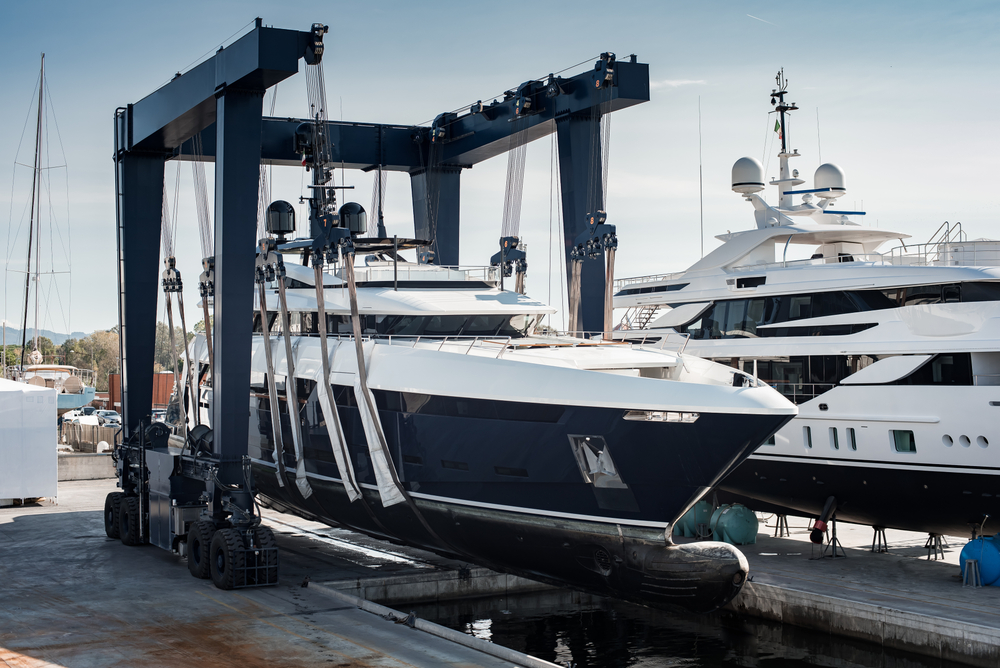
For many buyers, the survey is the difference between purchasing a reliable yacht versus inheriting costly problems. It is also a key requirement for insurance coverage, financing agreements, and, in many cases, determining resale value.
Types of Yacht Surveys
There are several kinds of surveys depending on why the yacht is being evaluated. The most common is the pre-purchase yacht survey, which is the most thorough option. It includes inspections both in the water and out of the water, reviewing everything from the engines, and plumbing to the superstructure, electronics, and even documentation.
Insurance surveys are typically less comprehensive but still essential, as insurers must confirm the yacht is safe and properly maintained before issuing or renewing a policy. Damage surveys are performed after incidents such as storms, groundings, or accidents; these determine the extent of the impact and recommend corrective action. Some owners may also request a valuation survey simply to establish the yacht’s current market worth.
A growing option after shipyard periods or charter seasons is the yacht turnaround survey, which confirms the yacht is ready to return to service and highlights any issues that may have developed over recent months.
What Inspectors Check During a Yacht Survey
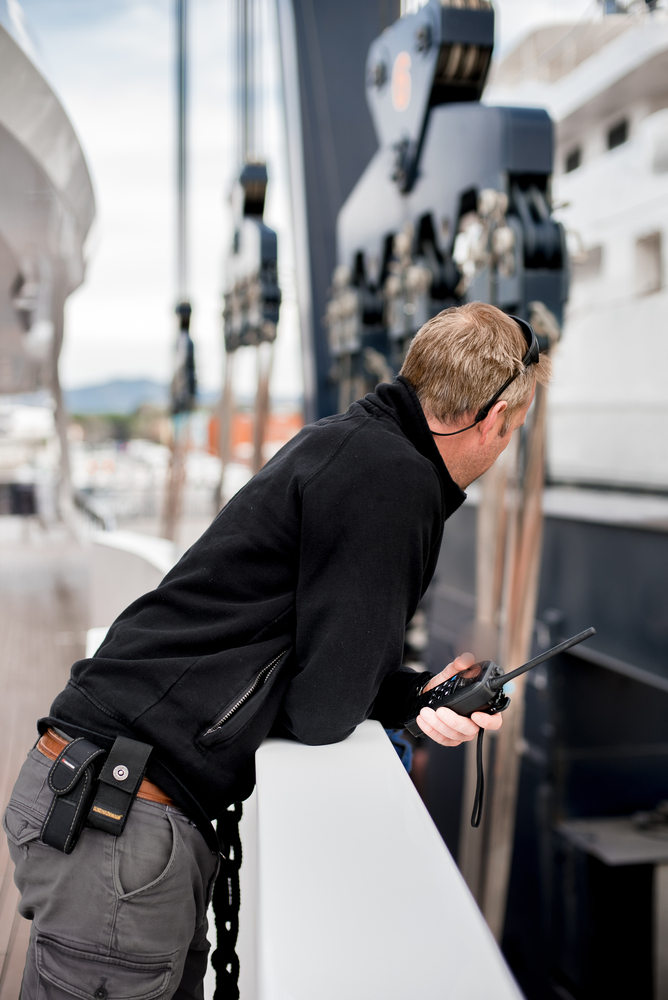
A thorough survey follows a structured methodology, but instead of simply checking boxes on a yacht inspection checklist, surveyors carefully examine the vessel from bow to stern to determine its true condition.
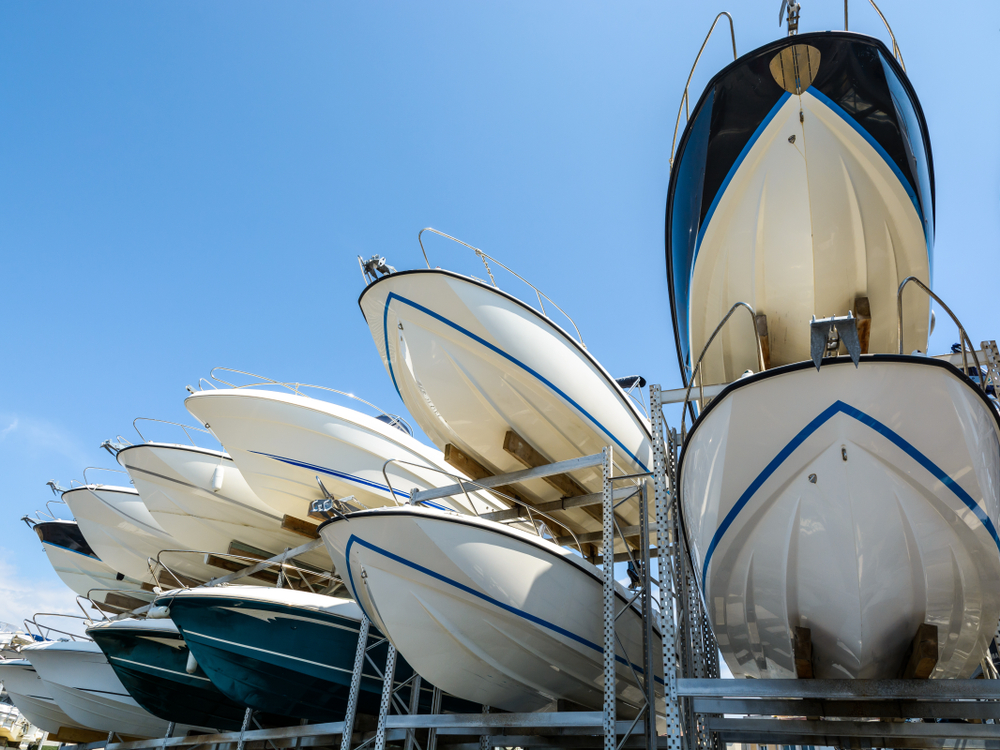
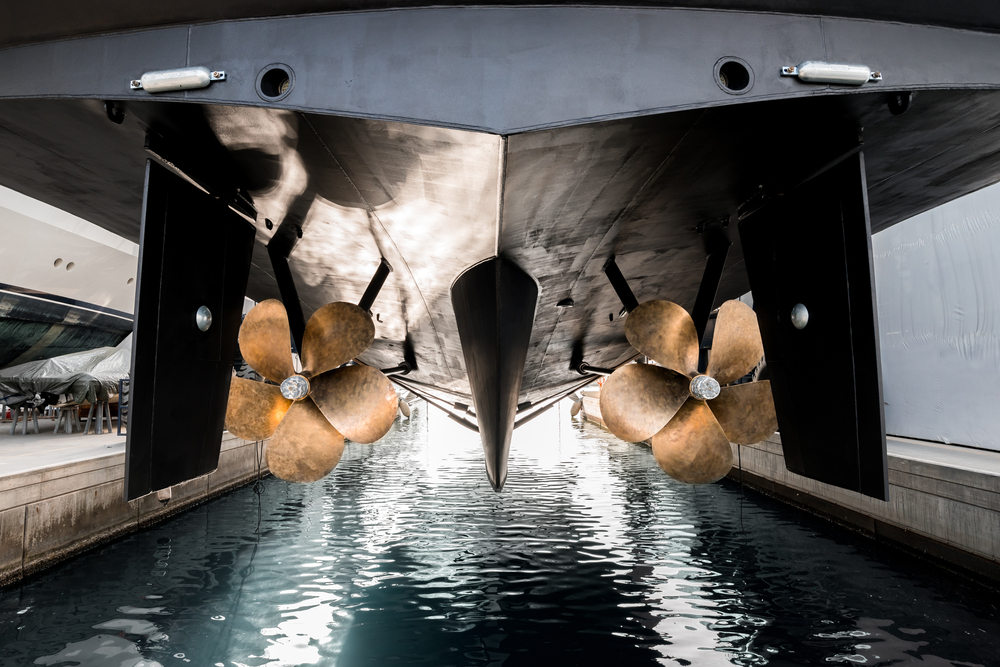
The inspection usually begins with the hull, keel, and structural components. Surveyors look for signs of osmosis, corrosion, impact damage, or weaknesses in the structural grid. Once hauled out, the underwater machinery—propellers, shafts, struts, and rudders—is assessed for wear, alignment issues, or past repairs.
Mechanical systems are another crucial focus. Engines, generators, exhaust systems, fuel lines, and tanks are inspected for leaks, corrosion, overheating, and irregularities. Many surveyors recommend oil analysis to detect early engine wear before it becomes visible. Electrical systems are reviewed next, including battery banks, wiring, breaker panels, and grounding. Faulty connections or outdated installations can pose serious safety risks.
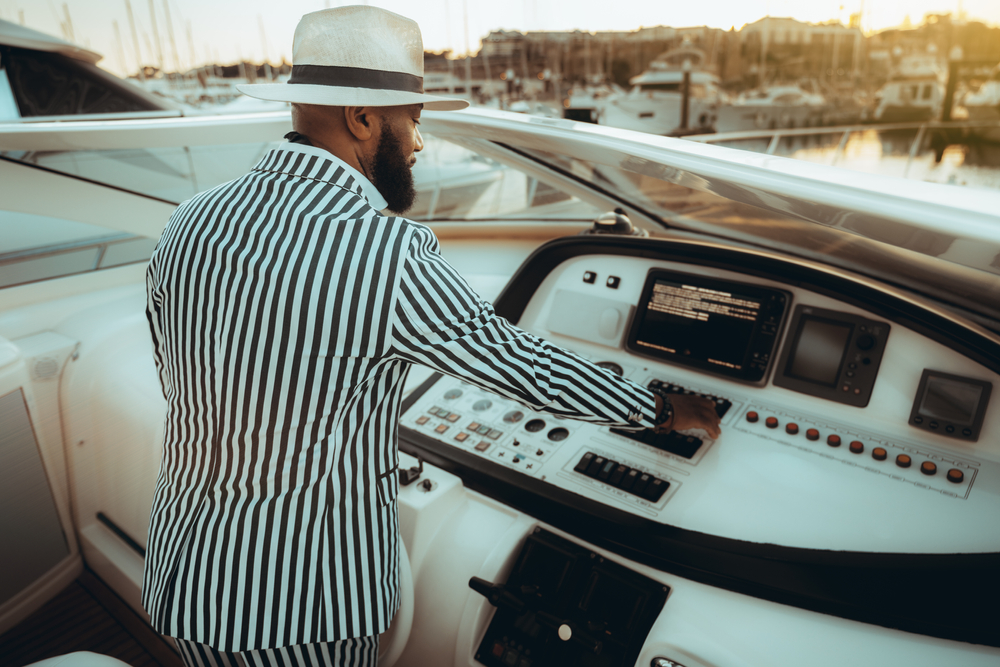
Surveyors also evaluate interior spaces, from plumbing and HVAC systems to general cosmetic conditions. Navigation and communication electronics are tested to ensure they remain functional and up to date with modern standards. Finally, inspectors confirm that all safety equipment, from bilge pumps and alarms to extinguishers, and life-saving gear, is present and compliant with regulations.
Together, these evaluations give buyers a complete picture of the yacht’s condition, far beyond what a standard walkthrough can reveal.
Cost of a Yacht Survey
The cost of yacht surveys varies widely depending on the vessel’s size, type, location, and the complexity of the inspection. Most surveyors charge by the foot, with smaller yachts typically costing between $20 and $30 per foot and mid-sized yachts ranging from $25 to $35 per foot. Large yachts, superyachts, or vessels requiring specialist systems checks may fall into a yacht survey cost or be billed at a full-day rate.
Buyers should also budget additional expenses such as haul-out fees, travel charges for the surveyor, mechanical diagnostics, and oil analysis. While these costs can add up, the information gained from a survey is almost always worth the investment. Discovering hidden structural or mechanical issues early can save buyers tens—or even hundreds—of thousands of dollars in unexpected ownership costs.
Yacht Survey vs Sea Trial
A yacht survey and a sea trial are often scheduled on the same day, but they serve very different purposes. The survey is an in-depth inspection of the yacht’s condition, covering structural components, wiring, mechanical systems, safety equipment, and cosmetic details. It is a static evaluation that identifies existing issues or areas of concern.
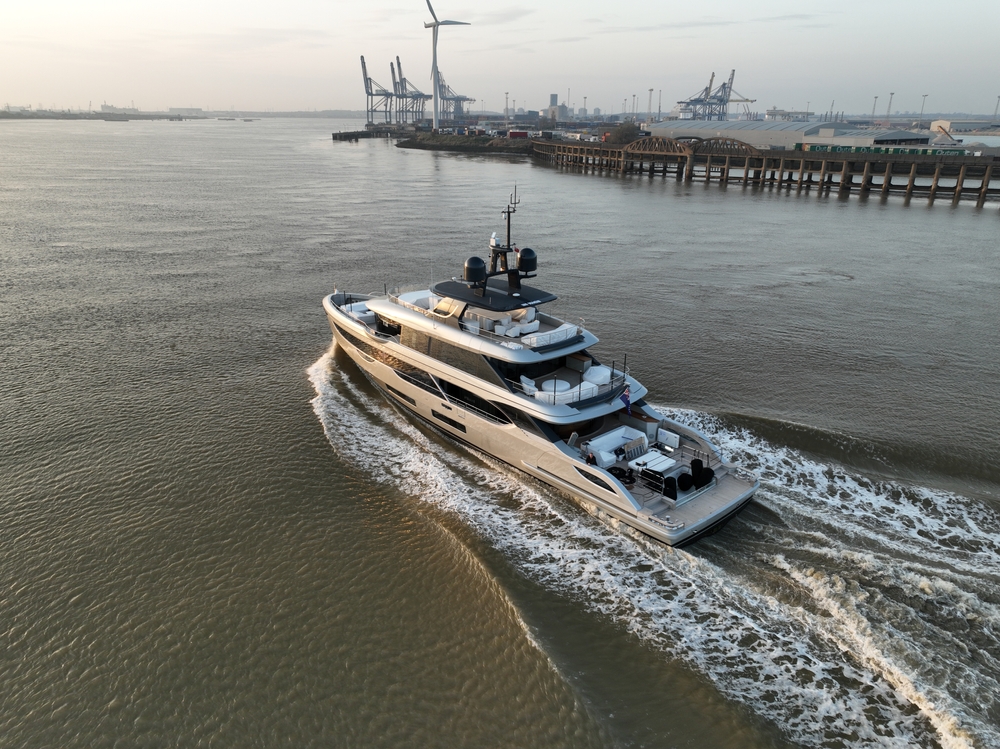
A sea trial, on the other hand, evaluates how the yacht performs underway. The surveyor and buyer observe acceleration, vibration, steering response, noise levels, stabilizer performance, and how the yacht handles at various speeds. Sea trials reveal issues that only appear under load, such as overheating, abnormal noise, poor maneuverability, or excessive vibration.
Both steps work together: the survey uncovers the yacht’s physical condition, while the sea trial confirms its performance on the water.
Your Best Protection Before You Buy
A thorough yacht survey is more than a formality; it is your strongest safeguard when purchasing a vessel of any size. From confirming structural integrity to assessing the reliability of mechanical and electrical systems, the survey gives buyers confidence and clarity before making a major financial commitment. Whether it’s a pre-purchase yacht survey, a yacht turnaround survey, or a valuation assessment, this process ensures transparency and helps prevent unexpected costs down the line.
When paired with a proper sea trial, a professional survey provides complete assurance that the yacht you’re considering is safe, seaworthy, and accurately represented. In an industry where details matter, having a trusted marine surveyor on your side is not just helpful; it’s essential for a smooth and successful purchase.