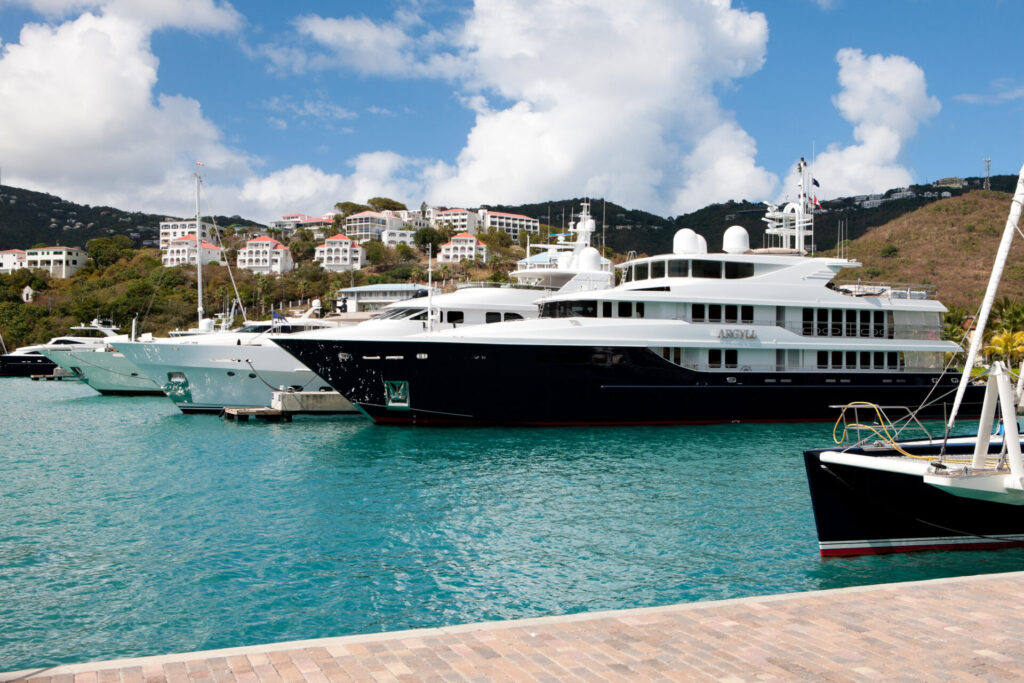
As interest in luxury yachting continues to rise, so does the demand for private and commercial yacht charters. Whether you’re looking to charter a superyacht, run a professional charter operation, or offer a bareboat charter, understanding the yacht charter license landscape is essential. From regional regulations and documentation to safety protocols and qualifications, the legal framework surrounding yacht charters can be complex and vary by location. Before you set sail, here’s what owners, operators, and aspiring charterers need to know to remain compliant and protected.
Understanding Yacht Charter License and Certifications
A yacht charter license is a legal requirement in many regions, allowing an individual or company to legally rent or lease out their vessel for recreationalLearn about yacht charter licenses, bareboat charter requirements, safety regulations, and documents needed to run a legal yacht charter business use. These licenses are part of a broader system of yacht certification that includes vessel inspections, compliance with yachting safety regulations, and validation of insurance and crew credentials.
Licensing requirements depend heavily on the flag state of the vessel and the country where the charter is taking place. In the European Union, for instance, commercial charters must meet the Maritime Labour Convention (MLC) and the International Safety Management (ISM) Code requirements. In the U.S., the Coast Guard mandates specific safety and operational standards. Failure to obtain the appropriate license can result in fines, invalidation of insurance policies, or even criminal charges.
Those seeking to charter a private yacht rather than operate a charter business may not need a formal license but still must comply with regional boating laws and carry proof of qualifications.
Bareboat Charter Requirements and Qualifications
A bareboat charter is one of the most popular ways to rent a yacht, especially in destinations like the Caribbean, Croatia, or Greece. In a bareboat scenario, the client assumes full responsibility for the vessel, including navigation, provisioning, and crew selection (if not sailing yourself). This model requires specific documentation to confirm that the charterer is qualified to operate the vessel safely and legally.

Depending on the country, bareboat charter requirements vary significantly. For example, Croatia bareboat charter requirements stipulate that at least one person on board must hold a valid sailing license recognized by Croatian authorities and a VHF radio certificate. Spain has stricter limitations, especially around larger vessels, which often require a Spanish-issued license or equivalent.
Generally, bareboat charter qualifications include:
- International Certificate of Competence (ICC) or equivalent national license
- Radio Operator’s Certificate (e.g., SRC or VHF license)
- Experience operating similar vessels
- Age requirement (usually 18+ or 21+ depending on location)
To verify whether you meet local qualifications, yacht charter companies and regional maritime agencies typically offer online tools or advisories to guide prospective renters.
Chartering Documents and Legal Paperwork
Regardless of whether you’re renting or offering a yacht for charter, thorough documentation is essential. This legal framework protects all parties and helps ensure compliance with maritime laws. The list of required chartering documents can vary by vessel type, yacht flag state, and operating region, but often includes:
- Valid yacht charter license
- Yacht registration and certification
- Yacht Insurance documents (including charter coverage)
- Crew qualifications and employment contracts (for crewed charters)
- Safety inspection records
- Tax and VAT compliance documentation
- Yacht Charter contract (signed by both parties)
For bareboat charters, additional paperwork such as crew lists, fuel logs, and a handover checklist is often mandated to confirm the condition and inventory of the vessel at the start and end of the rental. Not only do these documents ensure accountability, but they also play a vital role in satisfying yachting safety regulations.

Running a Yacht Charter Business: Licensing & Legalities
Starting or managing a yacht charter business involves more than just owning a vessel, it requires adherence to multiple layers of maritime law, commercial codes, and operational best practices. Anyone aiming to earn revenue from charters must secure a valid yacht charter license and ensure the yacht is registered as a commercial vessel.
The process for running a yacht charter business typically includes:
- Registering the yacht under a commercial yacht flag (e.g., Cayman, Malta, Marshall Islands).
- Ensuring compliance with yacht charter license requirements, which include vessel survey yacht certification and commercial yacht safety inspections.
- Hiring licensed and qualified crew, including captains with merchant marine licenses where applicable.
- Obtaining appropriate yacht insurance coverage, including yacht hull, liability, and charter-specific policies.
- Complying with regional tax laws, including VAT registration and collection in areas like the EU.
Failure to fulfill these requirements can limit your ability to legally operate and expose you to penalties. Yacht charter management companies often assist owners in navigating these complexities by offering administrative and legal support.

Chartering a Private or Superyacht: Additional Legal Factors
For those planning to charter a superyacht, there are often additional licensing and legal considerations. High-value vessels are typically crewed and fall under stricter commercial maritime laws due to their yacht size, complexity, and number of guests onboard.
Superyacht charters often require:
- A certified and commercially registered vessel
- Full crew contracts and payroll management under MLC compliance
- Passenger safety plans and emergency procedures
- Commercial insurance with higher coverage thresholds
- Adherence to flag state and port state controls
Even for clients looking to charter a private yacht for a personal holiday, it’s important to ensure the vessel is legally allowed to operate in charter mode. Some owners may attempt to circumvent licensing regulations to reduce operational yacht costs, potentially putting clients at legal or financial risk. Always verify that the yacht has the proper licensing and yacht certifications before signing a contract.
Considering Charter Yacht Ownership
Many yacht owners explore charter yacht ownership as a way to offset operational costs and keep their vessels active when not in private use. However, entering the charter market as an owner is far from passive income; it requires thoughtful planning, strict compliance, and a deep understanding of local and international maritime laws.

Before offering your yacht for charter, you’ll need to convert it to a commercial status, meet all yacht charter license requirements, and maintain detailed chartering documents for every guest and journey. Choosing the right yacht flag, working with a reputable yacht charter management company, and understanding your financial and legal responsibilities are critical steps to turning charter yacht ownership into a successful venture.
Charting a Legal Course for Smooth Sailing
Whether you’re dreaming of a Mediterranean escape aboard a charter sailboat in Spain or planning to start a luxury charter fleet, one truth remains constant: navigating the world of yacht charter licenses is essential to doing it right. From understanding bareboat charter qualifications to managing complex yacht charter license requirements for superyachts, the regulatory waters can be tricky but not impossible to navigate.
With the proper knowledge, documentation, and support, anyone can sail smoothly through the legal landscape of yacht chartering. By staying informed about chartering documents, yachting safety regulations, and local laws, you ensure a safe, enjoyable, and fully compliant experience, whether you’re the one holding the wheel or the one renting the dream.