
When entering the world of yacht ownership, it’s easy to get caught up in the excitement of choosing models, customizing interiors, and mapping out dream itineraries. Yet, beyond the luxury yacht lifestyle appeal lies a crucial decision every yacht owner must make: how to legally register or document the vessel. Understanding the difference between yacht registration and documentation is vital for compliance, taxation, insurance, and resale value. It’s more than a bureaucratic formality—it’s a foundational step in your yachting journey.
Understanding Yacht Documentation
In the maritime world, “documentation” typically refers to national registration under a country’s flag state authority. For example, in the United States, this is handled by the U.S. Coast Guard, while in the United Kingdom, it might be under the UK Ship Register. Documentation assigns your vessel an official number and indicates its nationality, making it easier to enter international waters, secure financing, and gain access to certain port privileges.
Documentation is usually required or strongly recommended for larger yachts, especially those that plan to travel internationally or carry a mortgage. It establishes clear ownership, outlines the yacht’s characteristics (such as tonnage and propulsion type), and may define how the vessel can be used—whether for private pleasure or commercial activity.
What Is Yacht Registration?
While sometimes used interchangeably with documentation, yacht registration can refer more broadly to enrolling a yacht with a local maritime authority or private registry. This could be a national registry, like the Cayman Islands or Marshall Islands, or a regional authority for boats that remain within one jurisdiction.
In practical terms, yacht registration assigns a vessel to a legal jurisdiction and gives it a “flag,” which then determines the laws under which the yacht operates. This includes regulations related to safety inspections, crew qualifications, tax exposure, and the ability to charter.
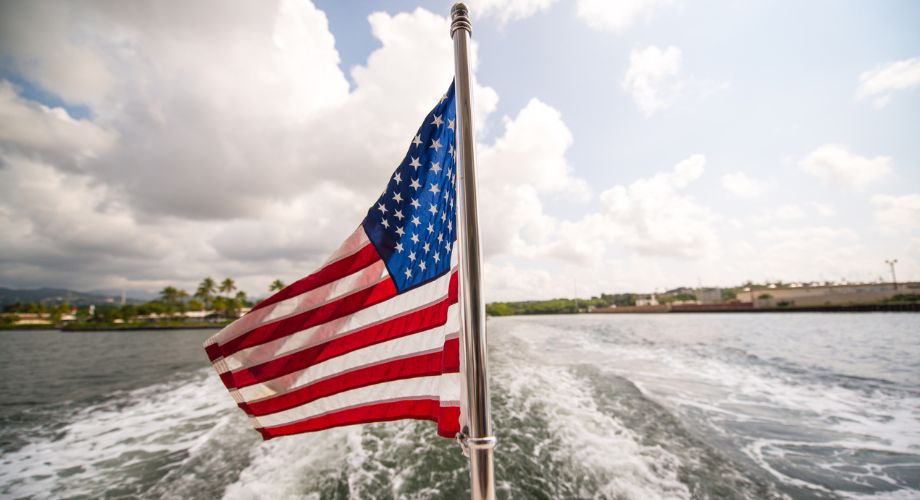
The flag a yacht flies is a direct result of its registration, and it carries both symbolic and legal weight. Choosing a flag state is not just about location—it’s about reputation, operational ease, tax treatment, and regulatory oversight.
Key Differences Between Registration and Documentation
While both processes involve formally enrolling a yacht in a legal system, their scope, purpose, and implications differ:
- Jurisdiction and Legal Status: Documentation often refers to national-level authority (e.g., U.S. Coast Guard), whereas registration can apply to either local, national, or offshore registries.
- Use and Operation: Documentation is typically required for yachts traveling internationally or engaging in commercial activity. Local registration may suffice for pleasure craft used domestically.
- Flag State Considerations: Registration determines the yacht’s flag state, which has long-term effects on legal jurisdiction, especially in international waters. Documentation may be part of a registration process but isn’t synonymous with the choice of flag.
- Tax and Financial Planning: Some flag states offer favorable tax environments, privacy protections, and less burdensome compliance rules. Choosing the right registration (and therefore documentation path) can play a key role in wealth and asset management strategies.
Why the Choice Matters
Whether a yacht is documented with a national agency or registered under a foreign flag, the choice will influence nearly every aspect of ownership—from operational freedom to regulatory scrutiny.
For instance, if you plan to charter the vessel in the Mediterranean, your choice of registry must comply with EU VAT regulations and charter licensing rules. If you anticipate extensive global cruising, a well-respected flag state can simplify customs clearance, port access, and insurance underwriting.
Moreover, some registries are known for rigorous safety and inspection standards, which can affect resale value and owner liability. Others may have more lenient requirements but offer less prestige or fewer international protections.
Making the Right Decision
Yacht owners should work closely with maritime attorneys, flag state specialists, and yacht management professionals to evaluate options. Factors to consider include:
- Intended cruising grounds
- Commercial vs. private use
- Tax implications
- Ownership structure
- Financing needs
- Crew nationality and certification
- Privacy and asset protection

No two yacht owners have the same profile, and a registration strategy that works for one could be suboptimal for another. The decision between yacht registration vs. documentation is best made with a full understanding of current and future use cases.
In yachting, as in life, fine print matters. Choosing how—and where—to register your yacht is not just a legal requirement; it’s a strategic move that can affect cost, control, and cruising freedom. Whether you’re a seasoned yacht owner or entering the market for the first time, understanding the nuances between documentation and registration ensures your vessel is not only seaworthy but legally sound.
Taking the time to make an informed choice can unlock smoother voyages, easier charter compliance, and long-term value for one of your most prized assets.