One of the most critical and often underestimated aspects of yacht maintenance is yacht antifouling. Whether you’re the owner of a sleek weekend cruiser or a 100-meter superyacht, keeping the yacht hull clean of biofouling is key to performance, yacht fuel efficiency, and long-term durability. In recent years, growing environmental regulations and technological innovation have spurred a wave of change across the antifouling yacht coating market, offering exciting new solutions that are more sustainable and more effective. From biocide-free paints to a new cutting-edge superyacht foul release coating system, the future of antifouling is smarter, cleaner, and greener.
What Is Yacht Antifouling?
Yacht antifouling paint refers to the practice of applying a protective coating to the submerged part of a boat’s hull to prevent the accumulation of marine organisms like algae, barnacles, and mussels. This biological buildup, known as biofouling, can increase drag, reduce speed, and significantly impact yacht fuel efficiency. For superyachts and commercial vessels, this can translate into hundreds of thousands of dollars in extra yacht fuel costs annually, not to mention greater emissions.
Traditional antifouling paints rely on biocides to kill or deter marine growth. While effective, these compounds can leach into surrounding waters and harm marine ecosystems. As a result, yacht owners, builders, and regulators are exploring and embracing alternatives that strike a better balance between performance and environmental responsibility.
How to Antifoul a Yacht: Basics and Process
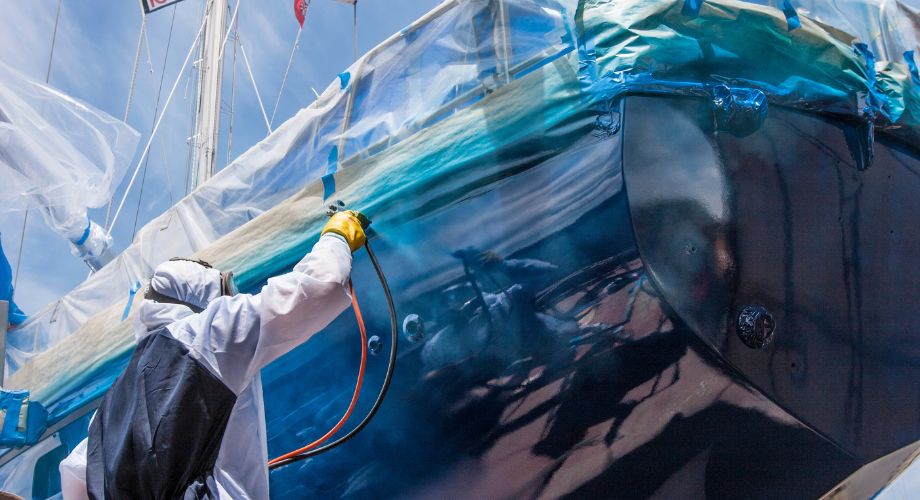
Understanding how to antifoul a yacht begins with recognizing the variety of factors that affect coating choice—yacht size, cruising grounds, speed, and duration between haul-outs. The typical antifouling process starts with cleaning and sanding the hull, followed by the application of a primer (if needed), and finally, the selected antifouling coating.
For motor and sailing yachts, owners typically apply yacht antifouling paint once every 12 to 24 months, depending on usage. Options range from traditional hard coatings to newer hydrodynamic anti-fouling paints that reduce drag and improve fuel economy. Superyachts, on the other hand, often adopt more advanced systems such as silicone-based foul release coatings that make it difficult for organisms to adhere in the first place, offering longer-lasting protection without releasing toxins into the water.
The Antifouling Yacht Coating Market Today
The antifouling yacht coating market is undergoing rapid transformation, driven by a combination of regulatory pressure and demand for better hull performance. According to recent industry reports, the market is expected to grow significantly in the coming years, fueled by the rise in global yacht ownership and increasing awareness of environmental impacts.
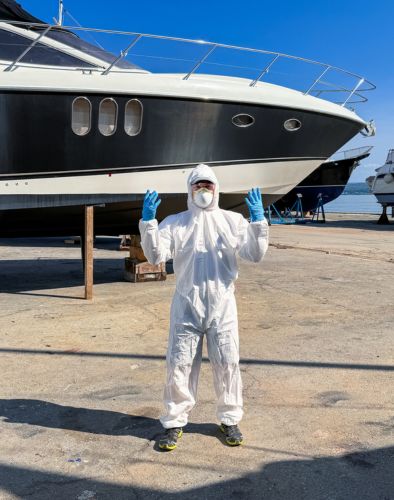
Paint manufacturers and coating specialists are investing heavily in R&D to create solutions that not only meet performance benchmarks but also comply with tightening regulations on copper and biocide content. Hybrid coatings, nanotechnology, and environmentally friendly solutions are gaining market share, especially in regions such as Europe and North America where sustainability standards are high.
Innovations in Antifouling Paint and Coatings
Among the most promising advances in yacht antifouling paint are foul release coatings. These are typically silicone- or fluoropolymer-based coatings that create a slick surface to which marine organisms cannot easily attach. Instead of poisoning marine life, these coatings rely on physical properties to prevent fouling—and when the yacht moves, any early growth is sloughed off by hydrodynamic pressure.
Other notable innovations include:
- Hydrophilic coatings: These retain a water layer on the yacht hull, making it less attractive to fouling organisms.
- Nanostructured surfaces: Inspired by nature (like shark skin), these surfaces physically prevent adhesion at the microscopic level.
- UV-curable coatings: These reduce application time and environmental impact, especially in shipyards with high turnover.
With these innovations, antifouling for superyachts is no longer just about performance, but a key pillar in responsible yachting.
Antifouling for Superyachts: Unique Challenges & Solutions
Antifouling for superyachts presents a different scale of challenge compared to smaller vessels. These large, luxury vessels often operate in diverse climates and may spend extended periods at anchor, which increases exposure to biofouling. Their size also makes routine maintenance more complex and costly, so long-lasting protection is essential.
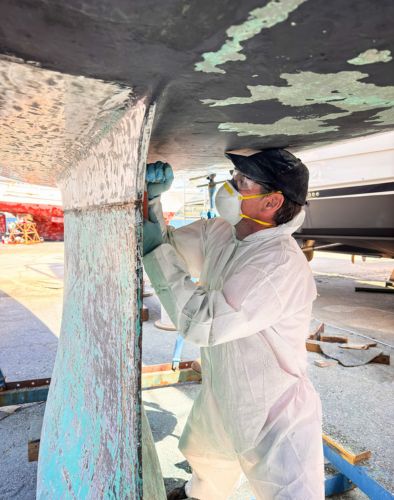
To meet these demands, superyacht captains and shipyards are increasingly turning to superyacht foul release coating systems. These advanced formulations offer several years of protection, reduced drag, and fewer haul-outs. Some coatings even integrate smart technology to monitor performance and fouling in real time, supporting predictive maintenance and more efficient scheduling of shipyard periods.
Moreover, as the yacht charter market expands and clients expect cleaner, more sustainable experiences, using eco-conscious antifouling systems has become a mark of operational excellence and luxury brand integrity.
Environmental Impact and Future Materials
The shift toward environmentally friendly antifouling coating solutions is no longer a choice, but a necessity for those that enjoy spending time on the water. Many popular antifouling agents used in the past, such as tributyltin (TBT), have been banned due to their long-lasting toxic effects on marine life. Even copper-based biocides are under scrutiny in several jurisdictions.
In response, research into hydrodynamic anti-fouling materials and biodegradable alternatives is gaining momentum. Future materials may include:
- Graphene-enhanced coatings for superior strength and low-friction performance.
- Biopolymer-based antifoulants derived from natural sources like seaweed or crustaceans.
- Electrolytic systems that prevent growth through low-level electrical pulses.
These emerging technologies may one day eliminate the need for toxic compounds entirely, enabling a new era of sustainable yacht hull maintenance that complements broader environmental initiatives in the yachting world.
The Future of Yacht Antifouling
As we look ahead, the future of yacht antifouling is being shaped by the dual forces of innovation and responsibility. Builders, owners, and operators alike realize that performance and sustainability are not mutually exclusive but are intertwined. The evolution of the antifouling yacht coating market reflects this mindset, offering smarter solutions that minimize drag, fuel use, and environmental harm.
Whether you’re learning how to antifoul a yacht for the first time or overseeing the maintenance of a world-class vessel, the choices available today are far more advanced and eco-conscious than ever before. From hydrodynamic anti-fouling systems to superyacht foul release coating systems, today’s coatings will only continue to evolve.