Owning a yacht comes with not only the pleasures of open water freedom but also the responsibility of following maritime regulations and ensuring safe practices. One of the most overlooked yet essential aspects of seamanship is understanding how to properly use a yacht anchor. Anchoring is more than just dropping metal into the water—it’s a carefully calculated process involving location, technique, and legal rules. For new owners and seasoned sailors alike, understanding anchoring a boat is a cornerstone of safety and compliance.
Understanding Yacht Anchor Basics
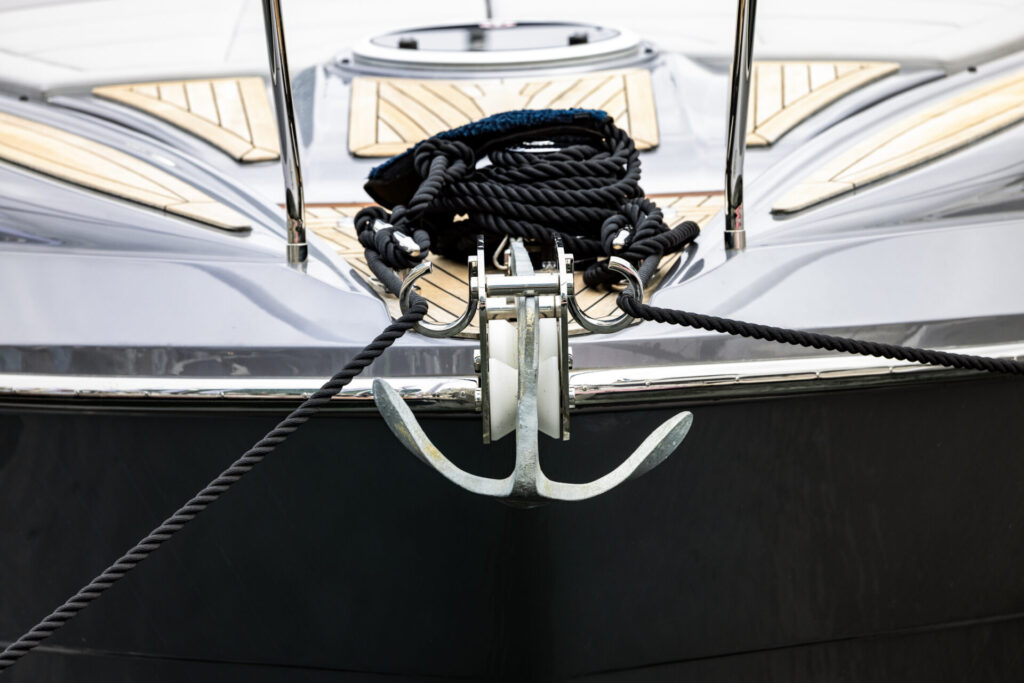
A yacht anchor serves as the critical connection between your vessel and the seabed, keeping you stationary in changing conditions. Different yacht anchors work for various seabeds—sand, mud, rock, or grass—so knowing your equipment is vital.
A well-chosen sailboat anchor or motor yacht anchor should be matched not only to the yacht size and weight but also to the type of cruising grounds you frequent. The size, chain length, and holding power all determine how secure your yacht will be once anchored.

How Does Anchoring Work? Key Principles Explained
Many new yacht owners often ask, “How does anchoring work?” In simple terms, the anchor digs into the seabed through its flukes or claws, using tension from the chain or rope to hold the vessel in place. The scope—or the ratio of anchor line to water depth—plays a critical role in effectiveness. A longer scope creates a lower angle of pull, improving the holding power. This means that yacht anchoring is as much about the physics of tension and angle as it is about the quality of the anchor itself.
What Is the Proper Technique for Anchoring a Boat?
So, what is the proper technique for anchoring a boat? If you’ve never attempted this before, here is a few steps to help you:
- Approach slowly into the wind or current.
- Lower, never throw, the anchor to avoid tangling.
- Pay out the correct length of chain or rope—typically 5 to 7 times the depth of the water.
- Allow the anchor to dig in by gently reversing the boat.
- Secure the line and monitor your position with landmarks or GPS.
Mastering this routine ensures that your yacht anchor sets correctly, holding your vessel safely in place.
Anchoring Guidelines Every Sailor Should Know
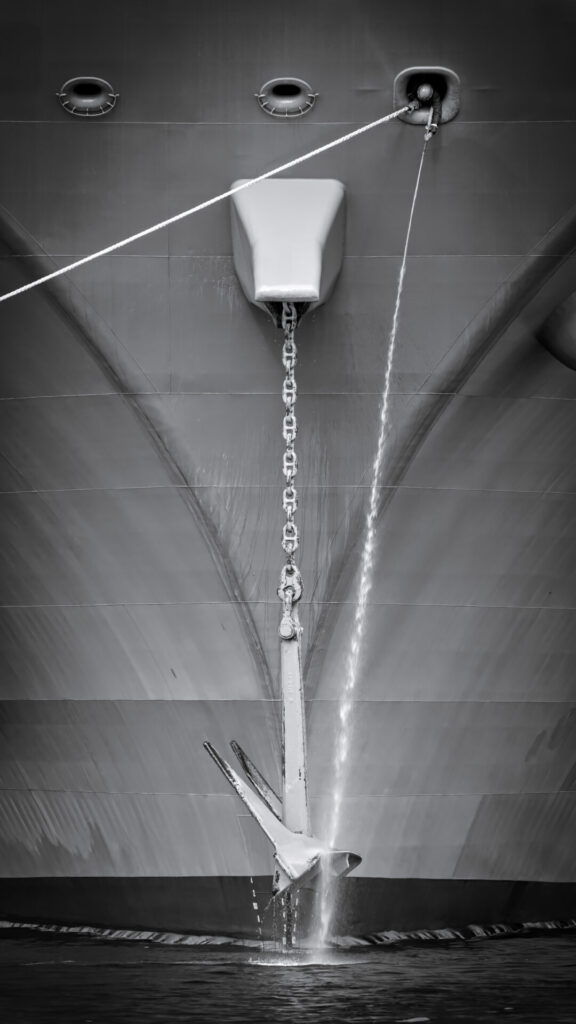
Following anchoring guidelines is not just best practice—it’s essential for safety and seamanship. First, always check the seabed type; some areas prohibit anchoring to protect coral reefs or marine life. Second, maintain a safe distance from other vessels to allow for swing radius. Third, ensure that your yacht anchor is strong enough to withstand sudden weather changes.
A sailor’s discipline in following these guidelines is the difference between a peaceful night on the water and a dangerous drift toward hazards.
Where to Anchor a Boat: Legal and Safe Locations
Knowing where to anchor a boat is as important as knowing how. Many marinas, harbors, and coastal regions have designated yacht anchorage zones. Dropping anchor in restricted areas may not only result in fines but also cause damage to sensitive ecosystems. Charts, navigation apps, and local notices to mariners often indicate approved anchoring areas. When in doubt, consult with harbor authorities before settling in. Respecting these zones ensures compliance with boat anchoring rules while also safeguarding natural habitats.
Boat Anchoring Rules: Local, National, and International Regulations
Every sailor must respect boat anchoring rules. In many regions, anchoring near shipping lanes, pipelines, or marine reserves is strictly prohibited. International regulations under the COLREGS (Collision Regulations) as handed down from the International Maritime Organization (IMO) also dictate safe distances from other vessels.
On an international level, countries may enforce their own laws about anchoring within territorial waters. Ignorance of these laws is no excuse—mariners are expected to be informed. By adhering to these regulations, you protect not only your own yacht but also the rights of others navigating the same waters.
Sailboat Anchor Considerations vs. Motor Yacht Anchors
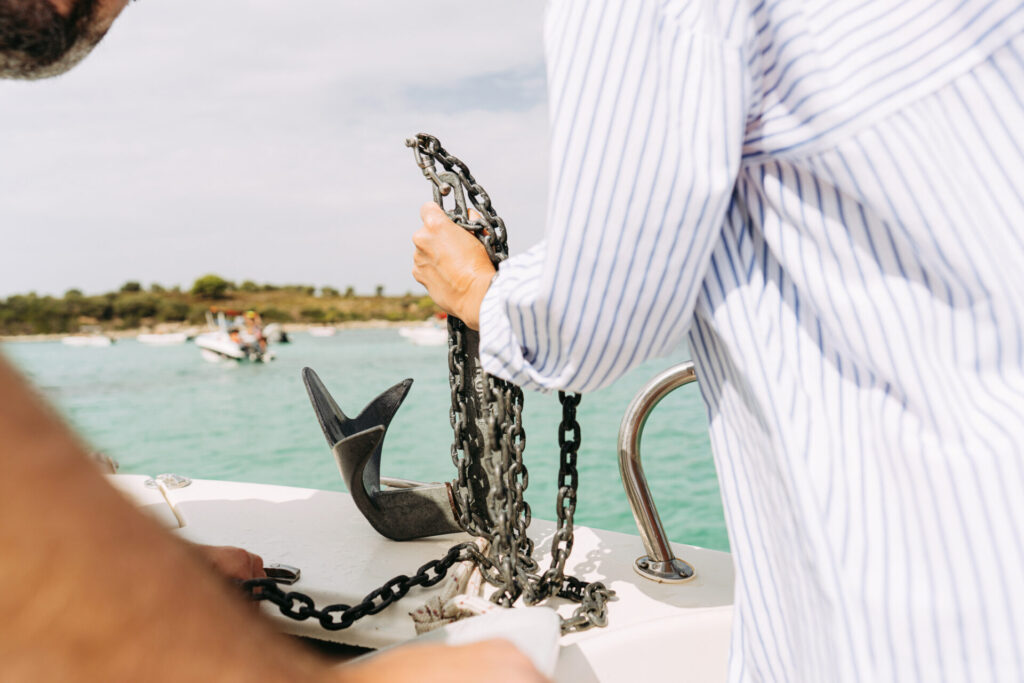
A sailboat anchor often requires different considerations than a motor yacht’s anchoring system. Sailboats, being lighter and more dependent on wind, may need anchors with deeper penetration in sandy or muddy bottoms. Motor yachts, typically heavier and with more windage, demand stronger yacht anchors and longer chains to hold their ground. Sailors should also consider backup yacht anchors—such as a stern yacht anchor or storm anchor—to provide additional security in challenging conditions. Understanding the specific needs of your vessel ensures safer and more efficient anchoring.
Common Mistakes When Anchoring a Boat
Even experienced sailors sometimes mishandle anchoring. Common mistakes include failing to calculate scope correctly, anchoring too close to other boats, or not testing the set of the anchor before shutting off engines. Some crews make the error of anchoring in restricted zones, leading to fines or environmental damage. Others forget to monitor changes in wind direction, which can cause swing patterns that place the yacht at risk. By avoiding these pitfalls and following anchoring guidelines, boaters can ensure smoother and safer experiences.
Anchoring with Confidence and Responsibility
The art of using a yacht anchor goes far beyond dropping it into the sea—it is about applying seamanship, safety, and respect for regulations. Whether you’re learning how to anchor a boat for the first time or refining your skills as a seasoned sailor, mastering the fundamentals protects both your yacht and the marine environment. By learning how do you anchor a boat, respecting local laws, and understanding the mechanics behind anchoring a boat, you can enjoy the freedom of the seas with confidence.