For years, monohulls have dominated the yachting world—sleek, traditional, and revered by purists. But in 2025, the tides are turning. Catamarans, once viewed primarily as niche vessels or charter-only alternatives, are now taking center stage across the global yachting market. From private owners to charter clients, more people are asking not, why catamarans—but why not?
Here’s what’s driving the catamaran surge in 2025.
1. Unmatched Stability and Comfort
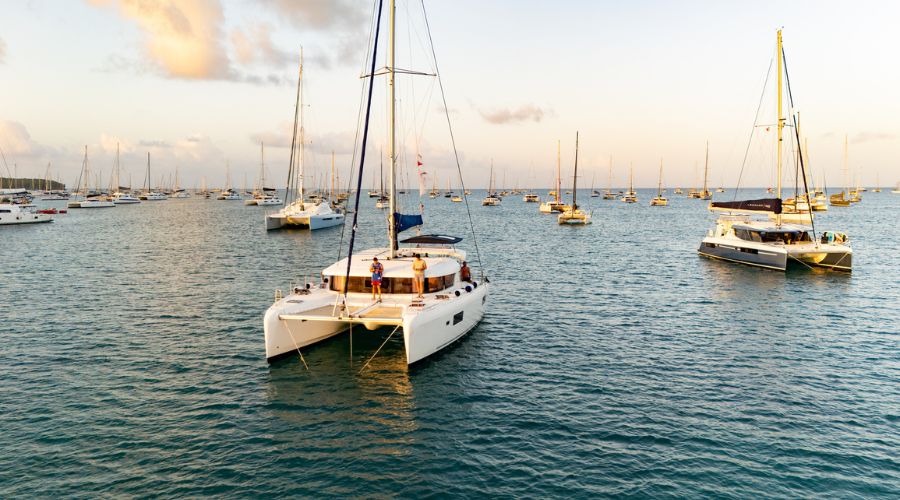
One of the most widely cited benefits of a catamaran is its natural stability. Thanks to the twin-hull design, catamarans reduce heel (the side-to-side rocking motion), making them more comfortable at anchor and underway. This is a game-changer not just for those prone to seasickness, but for multi-generational families, older clients, and anyone who wants the feel of a floating villa rather than a tilted adventure.
For long-distance cruising or week-long charters, that added level of comfort translates directly into a better experience—no need to brace every step or secure every glass.
2. Expansive Space Without Added Length
In 2025, owners and guests are expecting more from their time on board—and catamarans are delivering. With wider beams than monohulls of the same length, they offer larger saloons, multiple outdoor lounging zones, and separated cabin areas that enhance privacy.
The clever use of space also appeals to remote workers and long-term cruisers, as many new catamarans are designed with dedicated office nooks, sun-drenched gyms, and fully equipped galleys that rival those in modern homes.
3. Fuel Efficiency and Hybrid Innovations
As sustainability remains a core priority for the marine industry, catamarans are leading the charge. Their lighter displacement and efficient hull designs allow for reduced yacht fuel consumption, particularly when paired with solar panels, lithium batteries, and hybrid propulsion systems.
Many forward-thinking shipyards are now launching electric and solar-assisted catamarans tailored for eco-conscious owners. In 2025, this isn’t just a nice-to-have—it’s a decision-making factor. Catamarans are increasingly becoming the poster child for green yachting.
4. Shallow Draft = More Destinations
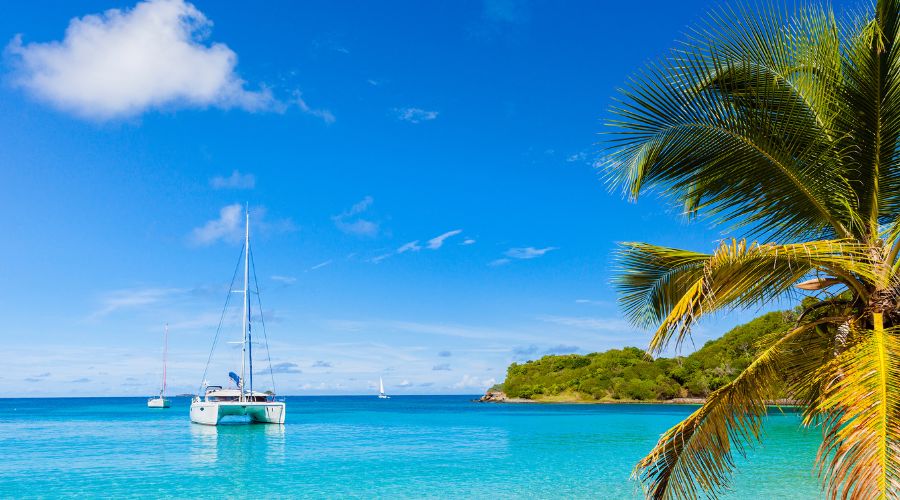
Another reason catamarans are gaining ground is their access to shallow-water cruising grounds. With drafts often under five feet, they can reach secluded bays, coral reefs, and shallow lagoons that traditional deep-draft yachts simply can’t. In regions like the Bahamas, French Polynesia, or the Exumas, this opens up an entirely new range of experiences.
For charter clients seeking a private, off-grid adventure—or owners looking to get away from crowded marinas—this freedom to explore is a major selling point.
5. Strong Resale and Charter Appeal
The demand for catamarans isn’t just growing among new buyers. On the resale market, late-model catamarans are holding value well, especially those built by established names or outfitted with premium features. In the charter world, they’re among the top-requested vessels thanks to their comfort, spaciousness, and low operating costs.
For yacht owners looking to offset expenses through charter, this makes catamarans a smart choice. The 2025 market shows clear demand for crewed and bareboat catamarans alike, with booking rates staying strong throughout the year.
6. Appeal to New Demographics
Catamarans are also attracting a new generation of buyers—tech entrepreneurs, younger families, and first-time owners. Their layout, comfort, and contemporary styling align well with the preferences of younger UHNWIs who want luxury without excessive formality.
We’re also seeing growth in fractional ownership models and co-ownership syndicates, where catamarans offer the best blend of size, price, and operating simplicity for shared-use programs.
Setting a New Course
As the global yacht market continues to evolve, the rise of catamarans reflects a broader shift in owner priorities: from tradition to innovation, from formality to flexibility, from status to experience. Their growing popularity in 2025 is not a trend—it’s a clear response to what today’s yacht owners and charter clients value most.
Whether you’re stepping on board for a charter in the Med or considering your next build project, it’s safe to say that the future of yachting might just come with two hulls.