Buying a pre-owned yacht can be one of the most rewarding decisions for seasoned owners and first-time buyers alike. Not only can it offer incredible value compared to new builds, but it also provides access to models that may no longer be in production. However, the key to making a smart investment lies in knowing exactly what to look for. From structural integrity to onboard systems, each element of the yacht must be carefully evaluated. This guide will walk you through the essential steps, ensuring that you avoid common pitfalls while maximizing the enjoyment of your future yacht ownership.
Understanding the Used Boat Market in 2025
The used boat market 2025 is more dynamic than ever, shaped by shifting economic conditions, demand for sustainable yachting, and changing consumer preferences. Buyers today have more access to global listings, digital inspections, and detailed broker insights than in previous years. While prices for certain models have stabilized, competition for high-quality yachts remains strong. If you are planning to buy a used boat, being prepared with knowledge and a checklist is more crucial than ever.
Yachts that have been well-maintained, regularly upgraded, and properly documented continue to fetch premium yacht prices. Meanwhile, overlooked maintenance or hidden issues can turn a seemingly good deal into a costly mistake. This is why inspections and due diligence are the foundation of every smart purchase.
What to Look for When Buying a Used Boat
When deciding what to look for when buying a used boat, prioritize the essentials: structural soundness, mechanical reliability, and overall safety. Unlike a car, where repairs can often be quick and affordable, yachts require specialized expertise and parts, which can make post-purchase surprises both expensive and time-consuming.
Key areas to consider include:
- The condition of the hull and deck.
- Engine performance and service history.
- Electrical and navigation systems.
- Sails and rigging (for sailboats).
- Documentation of past ownership, surveys, and maintenance.
By taking a thorough and methodical approach, you’ll avoid many of the pitfalls that first-time buyers fall into.
Buying a Used Yachts Checklist
Buying used yachts checklist is essential to help structure your inspection. Here are the categories you should cover in detail:
- Exterior and Hull: Scratches, cracks, blisters, or evidence of repairs.
- Interior Condition: Signs of leaks, mildew, or water damage.
- Engine & Propulsion: Start-up performance, oil condition, exhaust smoke, and vibration levels.
- Fuel & Water Systems: Check for leaks, clogs, and corrosion.
- Safety Equipment: Verify that lifejackets, fire extinguishers, and flares are current and functional.
- Navigation & Electronics: GPS, radar, depth sounder, and radios should be tested under load.
- Paperwork: Titles, registration, and previous surveys should be verified.
Following this checklist ensures nothing important slips through the cracks during your evaluation.
Boat Hull Inspection: Key Signs of Damage or Wear
Perhaps the most critical part of your inspection is the boat hull inspection. The hull is the foundation of any vessel, and damage here can render a yacht unsafe. Look for stress cracks around high-load areas such as the keel, rudder, and chainplates. Blisters in fiberglass hulls may indicate osmosis, a costly issue to repair. For metal hulls, check for corrosion, pitting, or evidence of poor welds.
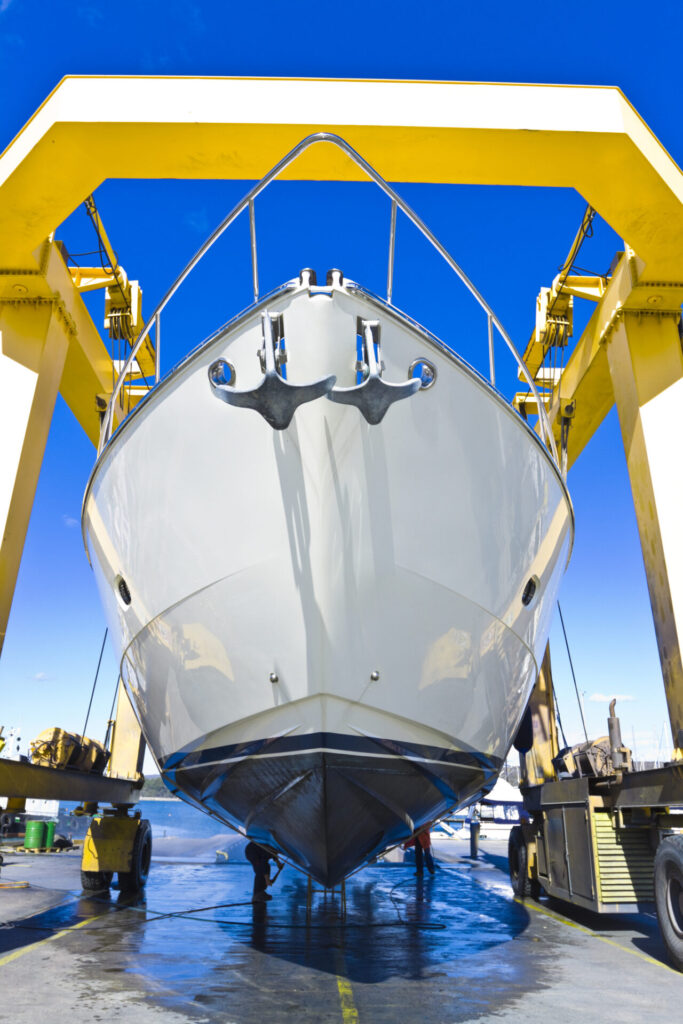
If possible, haul the yacht out of the water to examine below the waterline. Pay attention to through-hull fittings and seacocks, which can be prone to leaks if not properly maintained. A thorough hull inspection can save you from unexpected repair bills after your purchase.
Used Yachts: Electrical Systems and Onboard Electronics
In modern yachts, electrical systems and electronics play a major role in both safety and comfort. Before committing to a pre-owned yacht, ensure that the wiring is neat, properly labeled, and free from corrosion. Outdated wiring or amateur repairs can be red flags, leading to potential fire hazards or system failures at sea.
Check all major systems: lighting, bilge pumps, refrigeration, and navigation equipment. For sailboats, inspect winch motors and autopilot systems. If you are looking into how to buy a sailing yacht, prioritize the reliability of wind instruments and chart plotters, which are indispensable when navigating offshore.
Common Mistakes to Avoid When You Buy Used Yachts
Even seasoned used yachts buyers can make costly mistakes when they buy used yachts. Some of the most common include:
- Rushing the purchase: Eagerness can cause you to overlook flaws.
- Skipping a haul-out: Some issues are invisible without seeing the hull out of water.
- Ignoring paperwork: Missing documentation can cause legal or resale problems.
- Underestimating costs: Yacht refits and upgrades often exceed initial budgets.
Taking your time, asking questions, and relying on professional help where needed can prevent these mistakes from derailing your yacht ownership experience.
Hiring a Marine Surveyor: Is It Worth It?
For many buyers, hiring a marine surveyor is the best investment they can make. A qualified surveyor brings technical expertise and a trained eye, often catching issues that a buyer may overlook. They can provide a detailed report that not only informs your decision but also serves as leverage in negotiations.
Whether evaluating a used sailboat or motor yacht, a surveyor can confirm whether the vessel’s value matches the asking price. They can also highlight areas that may require immediate attention, allowing you to make a realistic assessment of total ownership costs. While surveyor fees may seem high upfront, they are minimal compared to the risks of purchasing a problematic yacht.
Navigating Your Purchase with Confidence
Buying a pre-owned yacht in today’s market requires a balance of enthusiasm and diligence. With the right preparation, clear understanding of what to look for when buying a used boat, and a structured checklist, you can step into yacht ownership with confidence. Whether your dream is a weekend cruiser, a bluewater used sailboat, or a luxury motor yacht, ensuring that every detail has been inspected will protect your investment for years to come.
In 2025, opportunities abound in the used boat market, but only careful buyers reap the full benefits. By prioritizing inspections, avoiding shortcuts, and enlisting professional help when needed, you’ll not only avoid costly mistakes—you’ll secure a yacht that delivers lasting memories on the water.