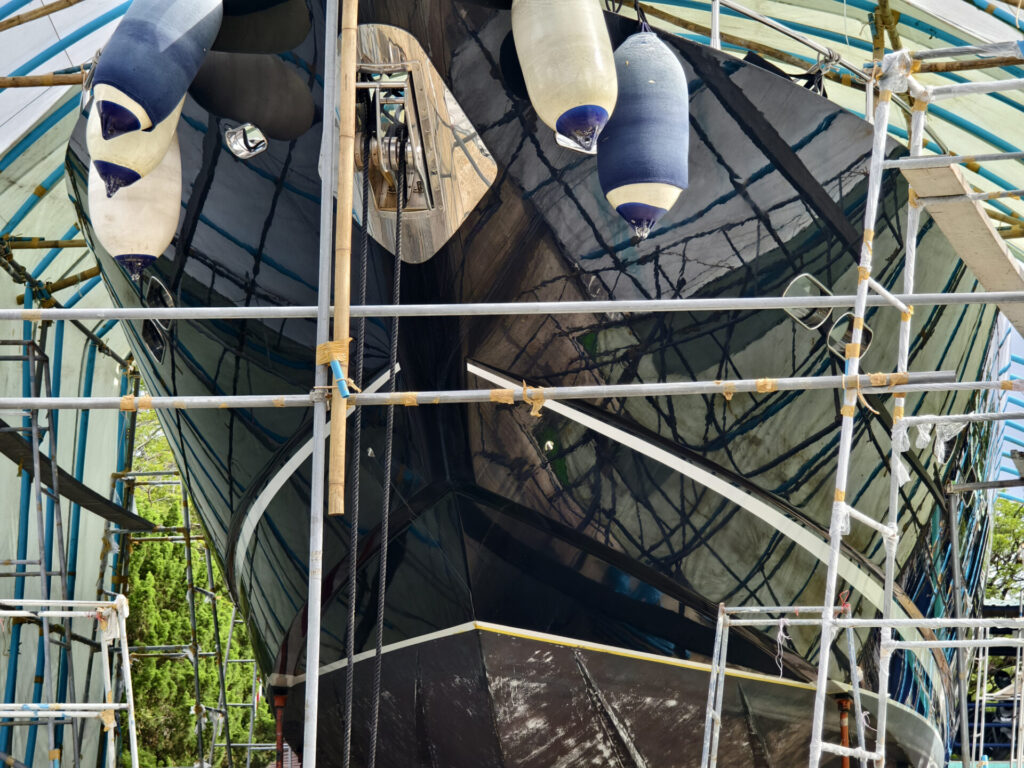
The rise of boat flipping has introduced a new opportunity for hobbyists, entrepreneurs, and marine enthusiasts alike. Much like house flipping, this practice involves purchasing undervalued or incomplete project vessels, renovating them, and reselling for a profit. The appeal lies in combining craftsmanship, market insight, and a passion for boating into a rewarding side hustle or even a full-time business. Whether you are drawn to classic wooden cruisers, modern runabouts, or larger yachts, learning the essentials of flipping boats can unlock impressive returns while giving vessels a second life on the water.
Buying and Selling Boats for Profit: Key Market Insights
At its core, buying and selling boats for profit relies on understanding market trends and demand. Entry-level buyers often search for smaller, affordable boats that can be launched quickly, while seasoned owners may invest in high-end models. The used boat market is particularly dynamic, with pricing influenced by seasonality, location, and condition. Buyers willing to take on a project can find hidden gems at auctions, estate sales, and local marinas, where a boat for renovation can often be purchased for a fraction of its resale potential.
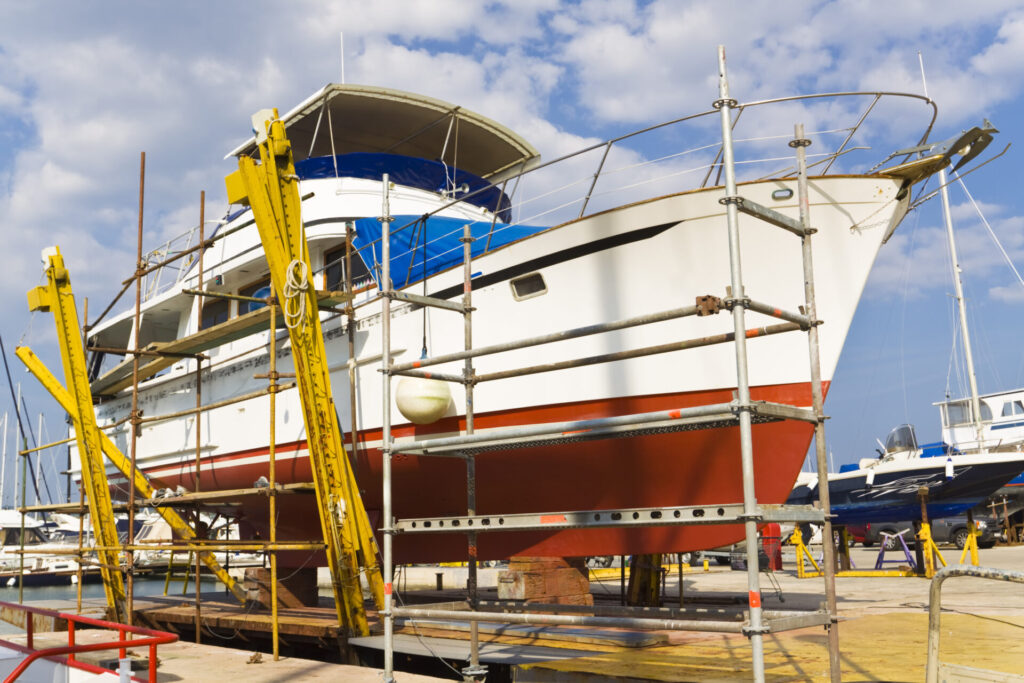
To succeed, flippers must evaluate depreciation cycles, monitor regional demand, and recognize when supply is tight. This awareness helps maximize returns and avoid holding onto a vessel longer than necessary, which can tie up capital and storage costs.
Finding the Right Boat for Renovation and Resale
Identifying the right boat is a crucial first step in any boat flipping project. Some vessels require only cosmetic upgrades—new upholstery, fresh paint, or electronics—while others may need structural repairs. Boats with strong hulls but outdated interiors are often the most promising candidates. A boat for renovation purchased strategically can generate significant profit after a targeted refresh.
Beginners should start with simpler projects, avoiding major engine rebuilds or extensive hull work until they gain experience. Conducting thorough inspections, requesting maintenance records, and consulting marine surveyors can help prevent costly surprises down the line.
Speed Boat Flipping vs. Larger Vessel Opportunities
There are two common approaches to boat flipping: focusing on smaller craft such as personal watercraft and speed boats or venturing into larger vessels like sailboats and cruisers. Speed boat flipping offers quick turnaround opportunities. These boats often require minor upgrades and attract younger buyers looking for affordable, high-performance thrills. Their lower purchase price makes them accessible for newcomers to the trade.
On the other hand, flipping ships and larger yachts requires deeper pockets and longer timelines but comes with higher margins. A successful sale could generate tens of thousands in profit, especially if the vessel appeals to affluent buyers in prime markets. Choosing between these approaches depends on your budget, skillset, and comfort with risk.

Boat Flipping Renovation Tips to Maximize Boat Value
Renovating effectively is what separates profitable projects from costly mistakes. Small upgrades often yield the highest returns. Replacing faded decals, repairing upholstery, polishing the hull, and modernizing electronics are relatively affordable improvements that significantly increase buyer appeal. Interior details matter as well—fresh paint, updated galley appliances, and LED lighting can transform an older boat into a modern gem.
Engine maintenance is another priority. Even when boat flipping older models, ensuring the motor is reliable will reassure buyers. Documenting upgrades and keeping receipts also adds credibility during negotiations. When done correctly, a modest investment in improvements can double or even triple resale value.
Best Way to Sell a Boat in Ontario and North America
Regional strategies matter in the world of resale. For those wondering about the best way to sell a boat in Ontario, timing is everything. Listing boats in spring, just before the boating season, ensures maximum exposure and higher bids. Local marinas, classifieds, and online marketplaces all play a role, but professional platforms that cater specifically to Canadian buyers often yield the best results.
Across North America, online listing services, social media groups, and dealer networks expand reach and streamline the process. Many boat flippers also take advantage of boat shows, where motivated buyers are actively searching for their next purchase.
Best Place to Sell a Boat in the UK and European Markets
In Europe, selling strategies differ slightly. The best place to sell a boat UK wide often includes specialized brokerage sites and regional auction houses. Buyers in the UK tend to value vessels suited for river cruising, coastal trips, and sailing holidays. Listing through respected UK marine brokers can add trust and legitimacy, especially when targeting higher-end buyers.
In continental Europe, countries like France, Spain, and Italy boast thriving markets for both leisure craft and luxury yachts. Understanding these regional differences and tailoring listings accordingly will improve results for anyone expanding their boat flipping business across the Atlantic.
Marketing Strategies for Boats Flipping Successfully
Selling boats profitably depends not just on finding the right buyer but on effective marketing. High-quality photography, detailed descriptions, and transparent disclosures all build buyer confidence. When marketing, buying and selling boats for flipping, emphasize not only the boat’s features but also the lifestyle it supports—sunset cruises, weekend fishing trips, or family getaways.
Leveraging social media platforms can create excitement and urgency. Video walk-throughs, before-and-after renovation reels, and testimonials from satisfied buyers all add credibility. Building a reputation for honesty and reliability ensures repeat customers and referrals, which are vital for long-term success.

Common Pitfalls in Buying and Selling Boats for Flipping
As with any investment, risks exist. Overestimating resale value is a common mistake. Not all upgrades translate into profit, and spending excessively on luxury features may not pay off in certain markets. Another pitfall is underestimating repair costs—hidden rot, wiring issues, or outdated engines can erode margins quickly.
Additionally, inexperienced boat flippers sometimes hold onto boats too long, waiting for the perfect buyer. This can tie up funds and increase storage expenses. Staying disciplined, setting budgets, and knowing when to walk away from a deal is critical in mastering buying and selling boats for flipping.
Boat Flipping: Turning Passion into Profit
Boat flipping is more than just a trade—it’s a craft that blends marine knowledge, market strategy, and hands-on renovation. Whether you’re experimenting with speed boat flipping or exploring the potential of flipping ships, the process offers both financial rewards and personal satisfaction. By selecting the right projects, focusing on value-driven upgrades, and mastering the nuances of different regional markets—from the best way to sell a boat in Ontario to the best place to sell a boat UK or around the globe, you can turn a passion for boating into a profitable venture.
For those who love the water, the journey of buying, restoring, and reselling vessels is not just about profit margins; it’s about breathing new life into boats and connecting them with new owners eager to create memories on board. Done right, flipping boats is a business where passion and profit can coexist side by side.