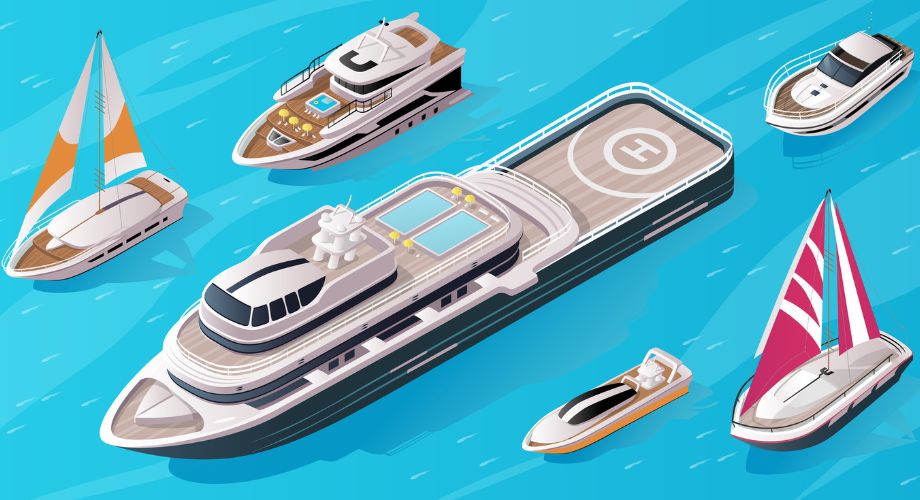
Whether you’re purchasing a sleek new center console, a high-performance sportfisher, or a luxury superyacht, understanding boat warranties is critical to protecting your investment. These warranties act as a safeguard against unexpected repair costs due to manufacturing defects, and in the world of complex marine systems, that coverage can make all the difference. But not all warranties are created equal. From what’s covered, to how long it lasts, to navigating a boat warranty claim, knowing the fine print can help you avoid major expenses and frustrations down the line.
What Is Typically Covered Under a Boat Warranty?
At its core, a boat warranty is a promise from the manufacturer (or third-party provider) to repair or replace certain defective components during a specific period. Most new boats come with a manufacturer’s warranty that typically includes hull and structural coverage for several years. This usually covers issues related to the integrity of the hull, such as delamination or cracking under normal use.
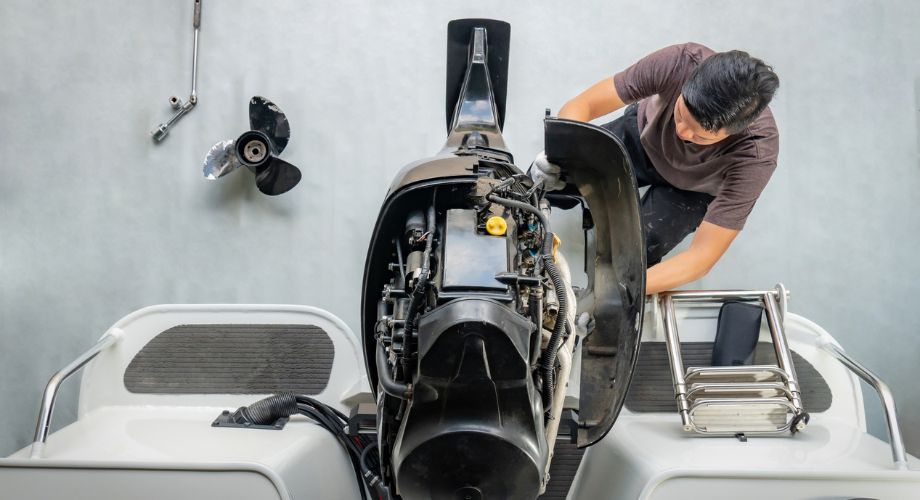
Additionally, limited warranties may include certain parts and systems such as engines, electronics, plumbing, and navigation systems, but often exclude wear-and-tear items such as upholstery, batteries, and propellers. It’s essential to read the exclusions carefully, as the scope of boat warranty coverage can vary significantly between brands and models. A key part of understanding boat warranties is knowing what’s excluded and how to maintain eligibility through proper servicing and documentation.
Types of Warranties Available
There are generally three main categories of marine warranties:
- Manufacturer’s Warranty – This is provided with the purchase of a new boat and is typically valid for one to five years, depending on the brand and component. Some manufacturers offer transferable warranties, which can add value if the boat is resold within the warranty window.
- Component Warranties – Key onboard systems like engines, generators, and electronics often have their own warranties issued directly by their respective manufacturers. These warranties may extend beyond the general vessel warranty but are managed separately.
- Boat Extended Warranty – Also known as a service contract or protection plan, this option kicks in after the original warranty expires. While not technically a warranty in the legal sense, a boat extended warranty offers prolonged peace of mind and can be especially useful for owners planning to keep their vessel long term.
For high-end vessels, many owners opt for the best yacht warranty options available, which may bundle coverage for crew systems, stabilization equipment, or even concierge-level support for claims.
Boat Warranty for Used Vessels
When buying a pre-owned boat, warranty coverage is typically more limited, if available at all. However, some newer used boats may still fall under a transferable manufacturer’s warranty. It’s important to check the terms carefully and ensure the warranty is formally transferred at the time of purchase, as failure to do so may void it.
For older vessels, third-party used boat warranty plans can be purchased, offering protection for mechanical failures and costly repairs. These plans often require a marine survey or inspection before approval, and premiums may be higher depending on the vessel’s age and condition. While not all used boats qualify, these warranties can be a smart investment for those purchasing higher-value pre-owned yachts.
Yacht Warranty Specifics: What’s Different?
Yacht warranty coverage goes far beyond the scope of standard recreational boats due to the complexity and yacht customization involved. Superyachts and large motor yachts often come with multi-tiered warranties that cover structural integrity, onboard systems, and even custom luxury yacht interiors and finishes.
The yacht warranty cost can vary dramatically depending on the size of the vessel, onboard equipment, and the level of coverage desired. Extended warranty programs for yachts may include worldwide service support, emergency assistance, and a dedicated claims manager—a reflection of the elevated expectations and values at stake.
Additionally, when commissioning a new build, the owner may negotiate bespoke warranty terms with the shipyard. Understanding and documenting warranty obligations during the build contract stage is essential to avoid disputes post-delivery. These details should be reviewed with maritime legal counsel as part of the owner’s broader project management strategy.
How to File a Boat or Yacht Warranty Claim
Filing a boat warranty claim or yacht warranty claim requires attention to detail and thorough documentation. Most warranty providers ask that you:
- Notify them immediately upon discovering a defect.
- Provide photographs and a written description of the issue.
- Submit service records and proof of routine yacht maintenance, which is often a prerequisite for approval.
- Work only with authorized repair centers or technicians to preserve eligibility.
Timing is key. Delayed claims or repairs conducted without authorization can void your warranty entirely. Keep a copy of the original warranty documents onboard, and maintain a detailed service logbook with dates, invoices, and work performed.
For yachts, the claims process may be handled by a yacht manager or captain, but owners should remain informed about response times, resolution expectations, and any financial thresholds that might require their approval.

Secure Your Coverage Before Setting Sail
A boat warranty isn’t just a line item in your purchase agreement; it’s an essential layer of protection in an industry where repairs can cost tens or even hundreds of thousands of dollars. Whether you’re buying new or used, considering a boat’s extended warranty, or investing in the best yacht warranty available, your decision can significantly impact ownership costs, resale value, and overall peace of mind.
In the fast-evolving marine landscape where tech upgrades, sustainability retrofits, and onboard complexity are increasing, warranty coverage provides not just financial relief, but also confidence at sea. So, before you sign on the dotted line, ask the tough questions, get the terms in writing, and know exactly how to file a boat warranty claim when the time comes.