For decades, yachts have represented luxury, freedom, and status—but in 2025, the definition of yacht ownership is evolving. No longer just a trophy asset for occasional use, the modern yacht has become a dynamic platform for remote work, multigenerational living, wellness, and cultural exploration. Yacht ownership now reflects more than financial success—it embodies a conscious choice to embrace a slower, more intentional way of life on the water.
This shift is reshaping not just how often yachts are used, but why they’re used. It’s less about escape and more about integration.
From Symbol to Sanctuary
Traditionally, yachts were perceived as indulgent possessions—used sporadically for summer holidays or chartered a few times a year. Today, however, yacht owners are spending more time onboard, often extending stays into weeks or even months. With hybrid working schedules here to stay and global mobility back in full swing, the yacht is no longer just a getaway; it’s becoming a second home—or even a primary one.
Interior yacht layouts now include office spaces, full gyms, wine cellars, and even educational spaces for children. Wellness suites rival those of five-star resorts. Rather than replicating the comforts of home, today’s yachts redefine them.
Digital Nomads at Sea
A new generation of owners is emerging—entrepreneurs, creatives, and investors who operate their businesses from anywhere. They see the yacht not as a reward for success, but as an enabler of it. Equipped with state-of-the-art connectivity, security systems, and satellite solutions, modern yachts allow owners to stay productive while anchored in remote corners of the world.
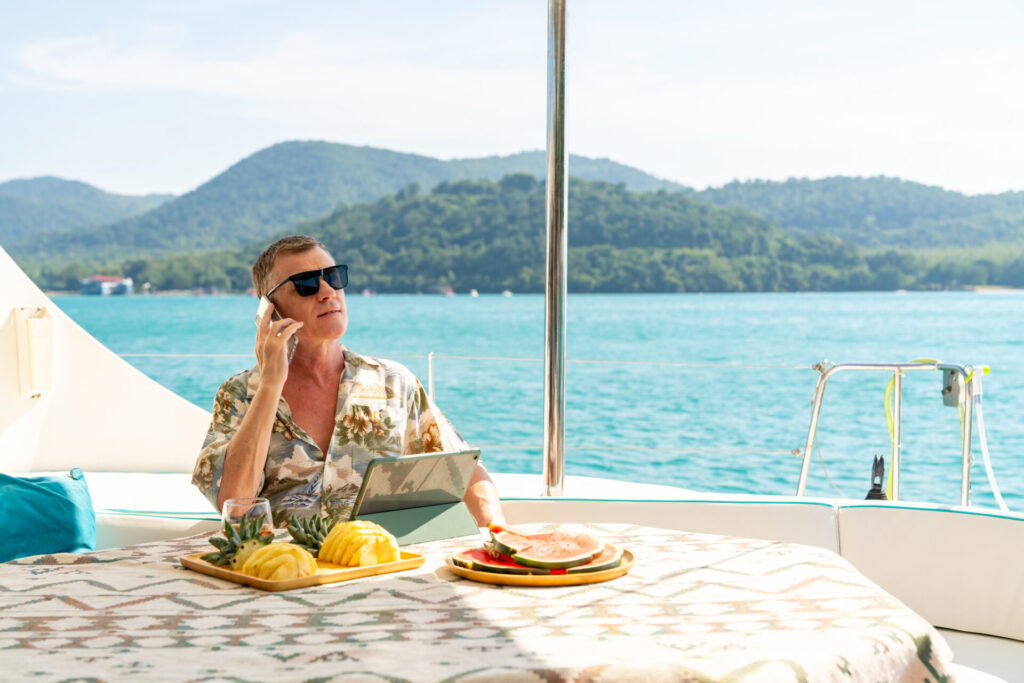
This digital nomad ethos has given rise to an “always aboard” mindset. The yacht becomes a mobile base, allowing owners to follow the seasons, stay close to global events, or simply drop anchor somewhere serene when focus is needed.
A Cultural Shift in Values
Yacht ownership is increasingly about experiences, not extravagance. Many owners now value privacy over display, connection over opulence. Time onboard is spent not only entertaining, but reconnecting—with nature, with family, and with themselves.
This shift is echoed in the rise of explorer yachts and eco-conscious builds. Owners want to go further, stay longer, and leave less of a trace. Advanced yacht technology, sustainable materials, and hybrid propulsion are no longer niche—they’re becoming the new standard.
The result? A deeper, more meaningful relationship with the vessel, the sea, and the journey itself.
Family, Legacy, and Continuity
Yachts are becoming generational assets—places where children grow up with a love for the ocean, and where milestones are marked year after year. Many owners now see their yachts as floating legacies, intended not just for private enjoyment but for charitable missions, educational trips, or marine conservation projects.
This long-term view influences how yachts are built, maintained, and upgraded. There’s a growing emphasis on longevity, quality, and timeless design—an evolution from showpiece to heirloom.
Blurring the Line Between Leisure and Living
The appeal of yachting today lies in its total integration of luxury yacht lifestyle. Owners wake up to sunrise swims, host virtual board meetings after breakfast, entertain guests over chef-prepared lunches, and explore hidden coves by evening. It’s a rhythm of life that’s impossible to replicate on land.
What’s more, many are incorporating their yachting life into broader travel and yacht investment strategies—pairing time aboard with stays in waterfront villas, remote island resorts, or marina-based communities designed for owners and their entourages.
More Than Ownership—A Way of Life
The yacht is no longer a luxury object on standby. For today’s yacht owners, it is an immersive, living environment that blends work, leisure, travel, and purpose. Yachting as a lifestyle is not about detaching from life on land, but enhancing it—with freedom, intention, and depth.