A new era of yachting is taking shape in 2026, driven not by yacht size, but by experience. As owners rethink how and why they use their vessels, small and mid-sized yachts have become some of the most coveted assets in the market. The shift toward micro-cruising is being fueled by changing lifestyles: shorter, more spontaneous trips; flexible remote work schedules; and a desire for easier, more intimate ways to connect with the water.
Instead of planning multi-week itineraries or orchestrating large-crew operations, owners increasingly want yachts that allow them to step onboard, untie the lines, and be cruising within minutes. This type of yachting reflects a broader cultural movement toward simplicity and freedom with experiences that feel accessible, low-pressure, and personal. For many, a compact yacht represents all the joy of yachting without the layers of logistics that accompany larger vessels.
At the same time, younger UHNW buyers are entering the market with different expectations. They value privacy over spectacle, lifestyle quality over grandeur, and flexibility over formal cruising traditions. Small yachts, particularly owner-operator yachts, fit this ethos perfectly, making micro-cruising one of the most influential trends of the year.
Best-Selling Compact Models
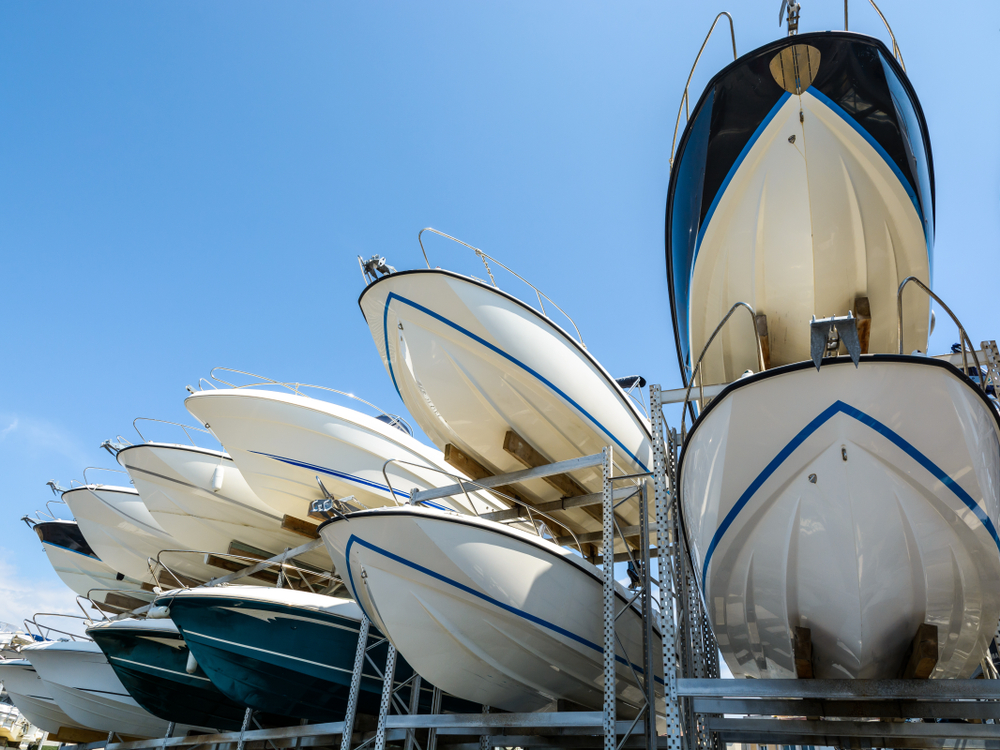
The surge in small yacht trends for 2026 is reflected clearly in the models that are selling fastest across Europe, the U.S., and Australia. While specific brands vary by region, the most in-demand models typically share several characteristics: efficient yacht hull designs, smart deck layouts, convertible seating areas, beach-club-style swim platforms, and intuitive helm stations that empower owners to run the boat themselves.
Day yachts in the 30–45ft range continue to lead the pack, thanks to their agility and modern social layouts. These models appeal to first-time buyers as well as experienced owners seeking a second, more nimble boat alongside their superyacht or villa. Meanwhile, compact flybridge and weekend cruisers between 45–60ft are gaining traction for their ability to support short overnight stays, light cruising, and family-focused relaxation without requiring a full-time crew.
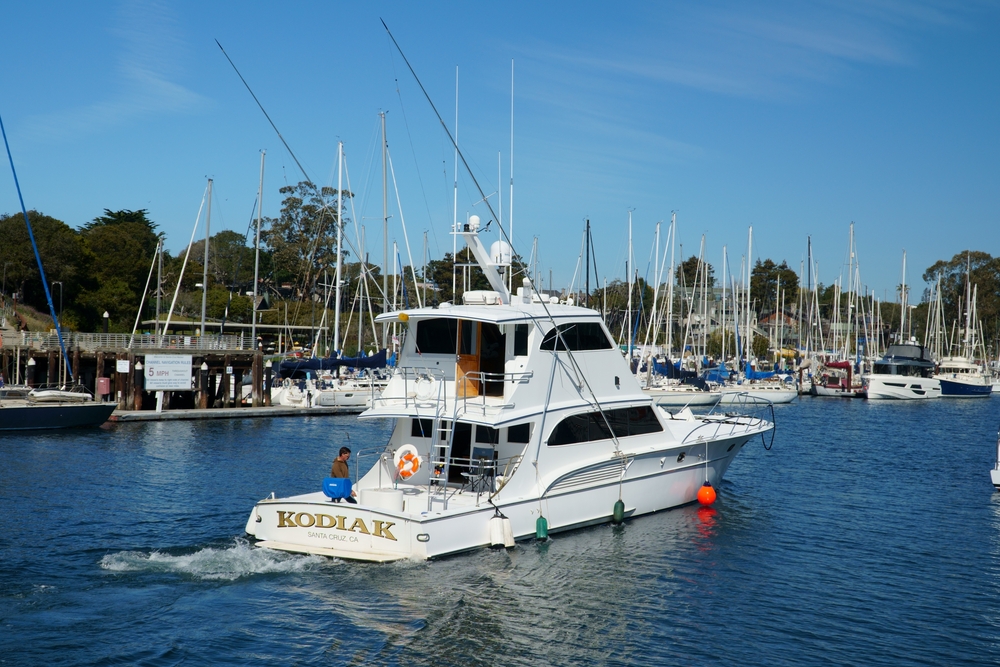
What makes these models stand out is not their size but their intelligence. Designers have become increasingly innovative by pushing interior volume, enhancing visibility from the helm, and incorporating sliding doors, fold-out terraces, and convertible salons that make small yachts feel dramatically larger than their footprint suggests. The result is a generation of compact yachts that redefine what buyers can expect at this scale.
Efficiency & Ease of Ownership
One of the strongest motivations behind the micro-cruising movement is efficiency—operational, financial, and experiential. Smaller yachts naturally offer lower fuel burn, reduced maintenance demands, and simplified systems that allow owners to spend more time cruising and less time managing logistics. For many, this is the core value proposition.
Owner-operator yachts are particularly attractive because they eliminate the need for a permanent crew. This lowers ongoing expenses and gives owners the freedom to use the yacht on impulse without coordinating schedules. Smaller yachts also tend to have simpler electrical systems, easier docking profiles, and faster cleaning turnover, making them ideal for busy owners who want seamless, low-effort recreation on the water.
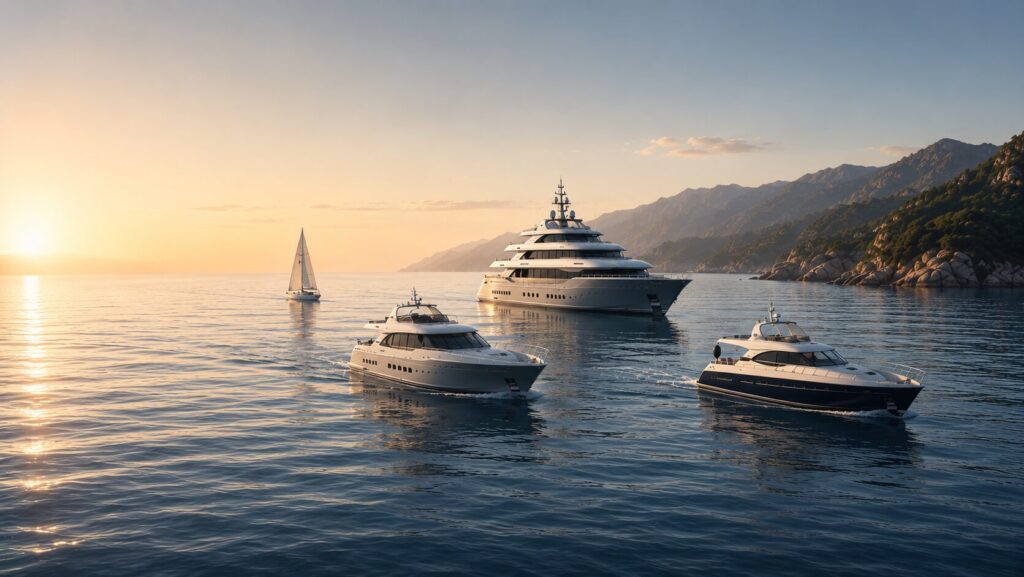
Even for UHNW families with superyachts, small yachts play a strategic role. They serve as versatile “second vessels” for day-to-day use that are perfect for quick hops between marinas, weekend escapes, or hosting friends for afternoon cruising. In many cases, small-yacht ownership expands actual usage frequency, allowing owners to enjoy the water more often, not just during planned summer trips.
Small Yachts with Big-Yacht Amenities
The most exciting evolution in compact yachts 2026 is the rapid adoption of big-yacht comfort features at smaller scales. Builders are integrating amenities once found only on 80–100ft yachts, transforming the owner’s experience and widening the appeal of micro-cruising.
Many models now offer:
- Fold-out terraces and beach platforms that open directly to the sea
- Outdoor kitchens, grill stations, and entertaining bars
- Full-beam master cabins, even on smaller footprints
- Seakeeping stabilizers for smoother day and overnight trips
- Hybrid-ready propulsion for quieter running and lower emissions
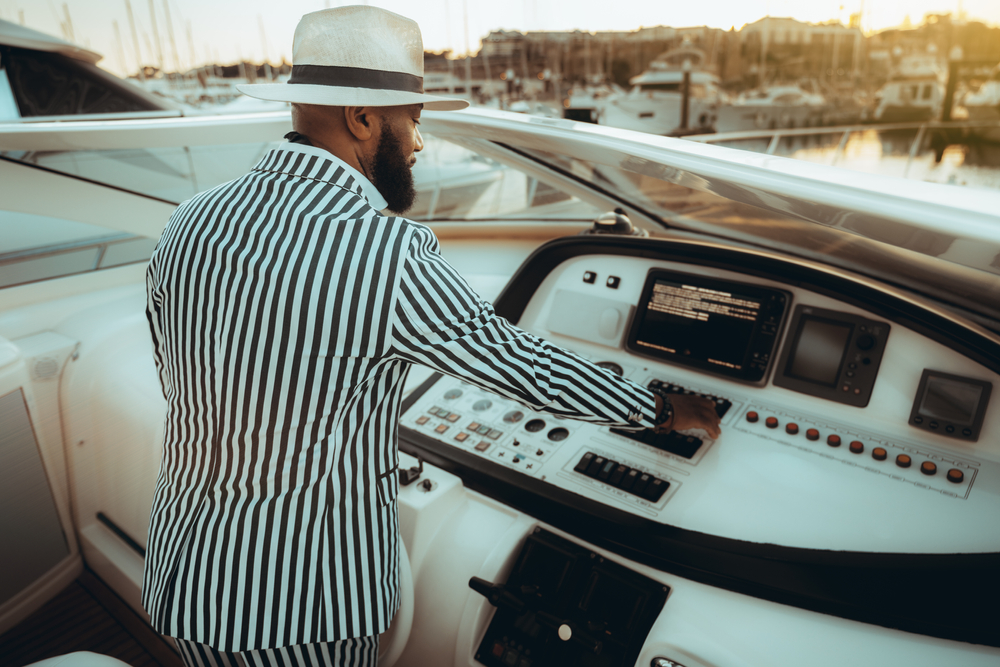
- Advanced helm systems with autopilot, joystick docking, and touchscreen control
- Convertible salons that transform for dining, lounging, or working remotely
These features create a sense of spaciousness and luxury that belies the yacht’s length. Owners no longer feel that choosing a smaller vessel means compromising comfort; instead, the trend is moving toward smart luxury; design that maximizes experience through innovation rather than size.
Destinations Where Small Yachts Are Gaining Popularity
As micro-cruising accelerates, several regions around the world are emerging as ideal playgrounds for small and mid-sized yachts, each offering protected waters, short-hop itineraries, and vibrant marina cultures that suit the owner-operator lifestyle.
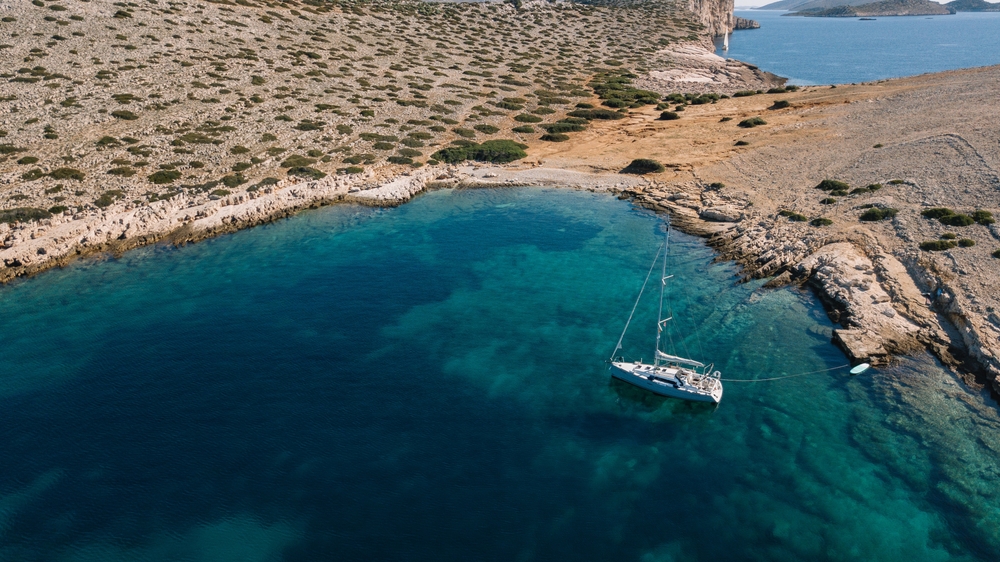
In the Mediterranean, destinations such as the Balearic Islands, Côte d’Azur, Sardinia, and the Greek Cyclades remain prime territory for compact yachts thanks to their dense cluster of anchorages and well-equipped marinas. Short distances between towns and beaches make spontaneous day cruising effortless, while shallow bays allow smaller yachts to anchor close to shore which is something larger vessels cannot always do.
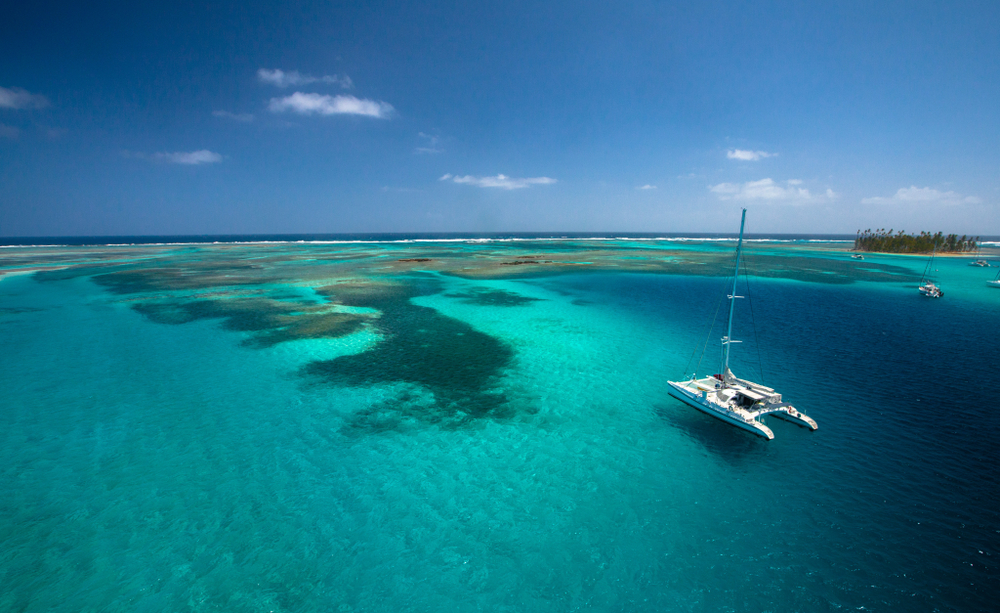
Across the U.S. and Caribbean, small yachts are becoming a staple in Florida, The Bahamas, and the U.S. Virgin Islands, where quick weekend escapes define the local boating culture. The Exumas have seen a surge in small-yacht activity because their sandbars, lagoons, and narrow channels are perfectly suited to shallow-draft designs. For many owners, the ability to anchor closer to secluded beaches or navigate tight cays adds a sense of adventure and intimacy that larger yachts can’t replicate.
In the Asia-Pacific region, Australia’s Whitsundays, Singapore’s island clusters, and Thailand’s Andaman coast are experiencing a similar rise. Compact yachts offer an easy, low-commitment way to explore archipelagos without requiring large crews or extensive provisioning. As marinas continue to expand in Southeast Asia, micro-cruising is becoming more accessible to new owners entering the market for the first time.
Even traditionally large-yacht markets like Dubai, coastal Turkey, and Croatia are seeing strong adoption of day and weekend cruisers in the 30–60ft category. These destinations offer abundant day-trip routes, protected cruising grounds, and waterfront dining that cater to a lifestyle centered on convenience, sun-soaked spontaneity, and seamless weekend escapes.
Together, these global hotspots illustrate a shared trend: the world is becoming more accessible through small-yacht cruising, opening new ways for owners to experience the sea without the complexity traditionally associated with yachting.
The Democratization of Luxury Cruising
The rise of micro-cruising represents more than a design trend; it reflects a fundamental redefinition of yacht ownership. In 2026, luxury is measured not by LOA, but by freedom, connection, and ease of use. Small yachts deliver all three with remarkable efficiency. They allow owners to cruise spontaneously, explore more often, and enjoy the water in a way that feels natural, personal, and repeatable.