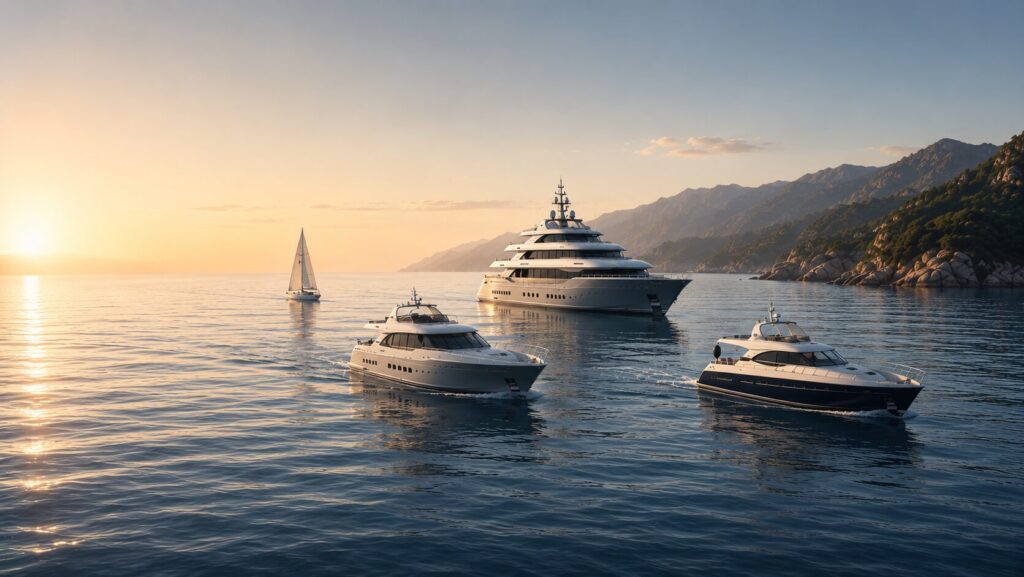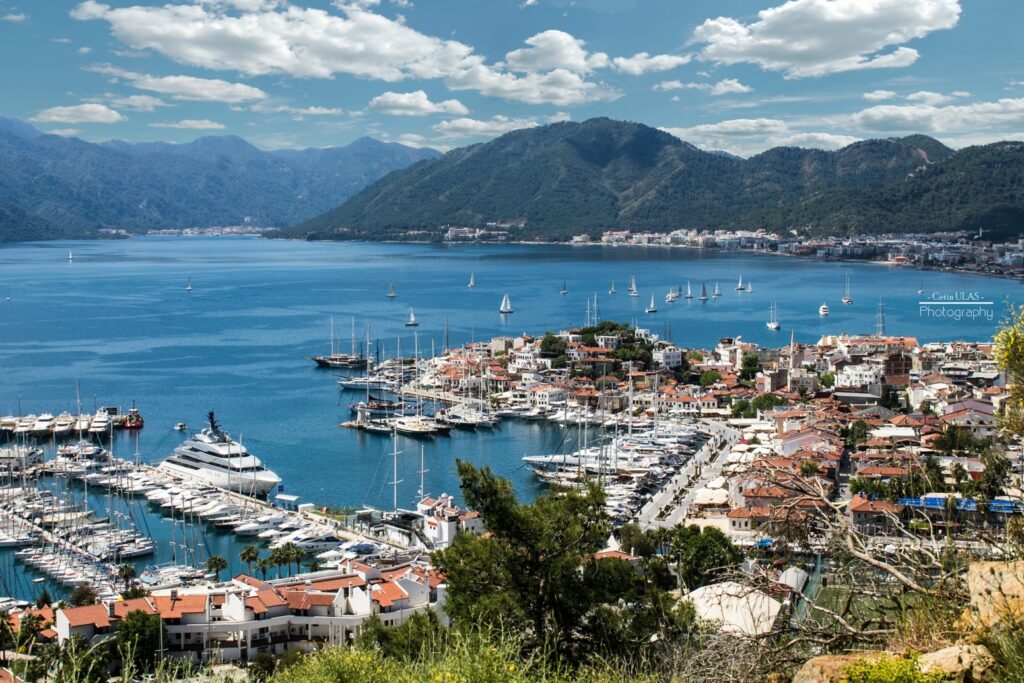
There is no denying the allure of a mega yacht charter. Imagine a floating palace outfitted with Jacuzzis, helipads, cinema lounges, and Michelin-starred chefs. For high-net-worth individuals, celebrities, and royalty, chartering a private yacht represents the pinnacle of freedom and exclusivity at sea. Whether it’s booking a superyacht charter Bahamas, a week-long sailing superyacht charter in the Western Med, or a winter escape aboard private yachts for charter Miami, demand for ultra-luxury experiences remains strong.
For yacht owners and aspiring entrepreneurs, this trend begs the question: is running a mega yacht charter business actually profitable, or is it simply a way to offset the extravagant cost of yacht ownership? To answer that, let’s review the business of mega yacht charter, from the initial investment and operating costs to revenue potential and long-term strategy.
Mega Yacht Charter Initial Investment & Operating Costs
Buying a mega yacht is no small undertaking. Vessels over 100 feet often command price tags well into tens of millions. Even for those who purchase pre-owned, the capital outlay is massive. But the real cost of yacht ownership lies in the annual upkeep: insurance, docking fees, crew salaries, yacht fuel, provisioning, and routine maintenance can add up to 10–15% of the yacht’s value per year.
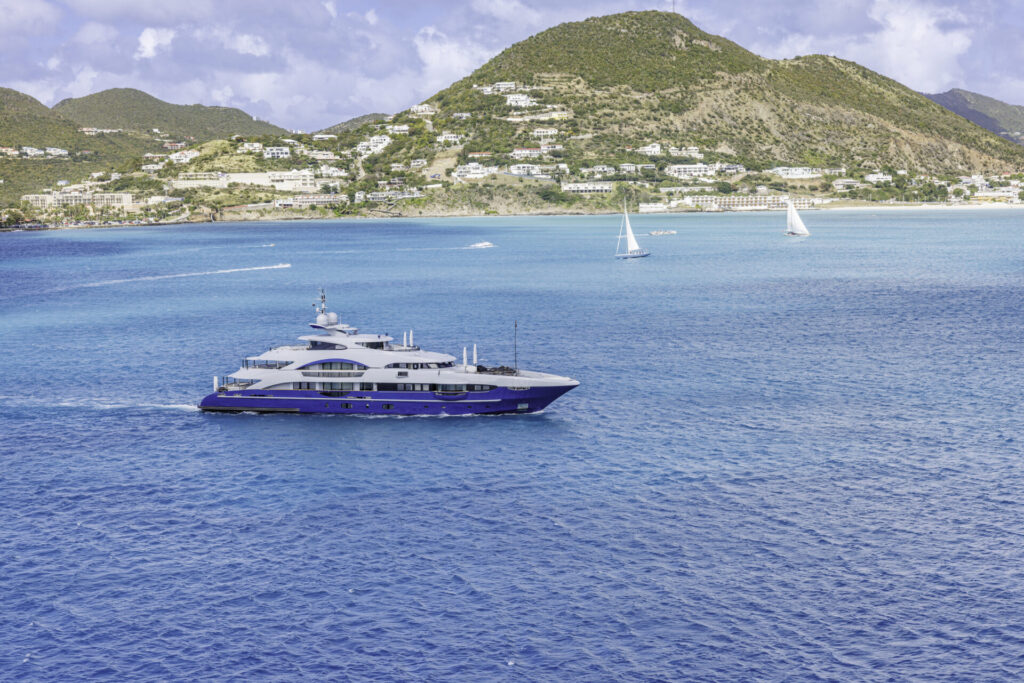
A 50-meter yacht, for example, could cost between $3 million and $5 million annually to maintain. If you intend to enter the mega yacht charter business, the expenses will multiply. You’ll need to ensure the yacht meets commercial compliance standards, secure liability insurance, and upgrade interiors and tech to meet client expectations.
Luxury mega yacht charter clients are not merely paying for space—they are paying for a seamless, elite experience. The higher the expectations, the higher the overhead. So, why are catamaran charters so expensive? This lies in similar cost structures: staffing, amenities, and yacht maintenance cost that scale with size and luxury level.
How the Mega Yacht Charter Business Works
A luxury mega yacht charter typically rents for anywhere from $100,000 to over $1 million per week, depending on the yacht, season, and destination. Rates usually follow the “plus expenses” model, meaning the base price doesn’t include fuel, food, dockage, or gratuities. While this may sound like a goldmine, the actual profit margins can be thin.
Here’s a basic breakdown:
- A yacht chartered for $250,000 a week might earn 8–12 charters per year (depending on location and demand).
- That brings in approximately $2–3 million gross annual charter revenue.
- However, after agent commissions (typically 15–20%), operating costs, and VAT or local taxes, the net return could be closer to $500,000—often less than the yearly maintenance bill.

This is why most owners use charters to offset costs, not as a primary revenue stream. For professional operators with multiple vessels and a solid mega yacht charter business plan, there is room for profit—but it requires volume, efficiency, and exceptional marketing.
Profit Potential: Can You Make Money with a Yacht?
So, can you make money with a yacht? The answer depends on your expectations, strategy, and scale. For owners with a single vessel, chartering helps reduce the cost of ownership rather than generate a reliable income. However, for those treating it like a true business with multiple yachts, fleet management, and a well-structured operation, profit is possible.
Luxury mega yacht charter companies that manage entire fleets have better economies of scale. They can optimize bookings, centralize crew and maintenance, and develop repeat clientele. Likewise, specializing in unique destinations or experiences such as eco-charters, wellness voyages, or themed trips, can help a business stand out.

Still, the industry is volatile. Geopolitical issues, changing tax laws, and rising fuel and labor costs all chip away at margins. Mega yacht charter success also relies heavily on location. A superyacht charter Bahamas during the high season will be far more profitable than an idle yacht in a low-demand region.
Alternative Goals: Profit vs. Cost Offset
Many owners who explore chartering a private yacht do so not to turn a profit but to reduce the overall cost burden of their passion. In this context, the charter business becomes a hybrid model: part luxury yacht lifestyle, part investment.
Owners may cover 50–80% of annual costs by chartering the vessel for eight to 10 weeks per year while still reserving time for personal use. This approach provides flexibility, and with the right charter manager, the yacht can be positioned in high-demand locations during peak seasons, such as private yachts for charter Miami during winter or the French Riviera in summer.
This model also enhances resale value, as yachts with strong charter histories and updated compliance documentation tend to attract more buyers down the line.
How to Start a Mega Yacht Charter Business
For those considering the entrepreneurial route, here’s how to start a mega yacht charter business:
- Choose a Business Model: Decide whether you own the yachts yourself or act as a broker/operator managing charters on behalf of other owners.
- Create a Mega Yacht Charter Business Plan: Include vessel acquisition or leasing strategy, staffing requirements, operating costs, seasonal booking goals, and a strong marketing component.
- Register and Insure: Depending on jurisdiction, charter yachts may need to meet specific yacht flag state requirements, pass safety certifications, and secure commercial insurance.
- Build a Network: Work closely with luxury yacht charter companies, central agents, and listing platforms to maximize exposure. Relationships with yacht brokers and tourism boards are key.
- Understand the Market: Learn seasonal patterns, guest expectations, and price sensitivity. Charter clients expect perfection, so everything—from linens to local excursions—must be flawless.
- Location Strategy: Base your operations in charter-friendly regions with strong demand. Destinations like the Mediterranean, the Caribbean, and the U.S. coastline offer robust seasonal business.
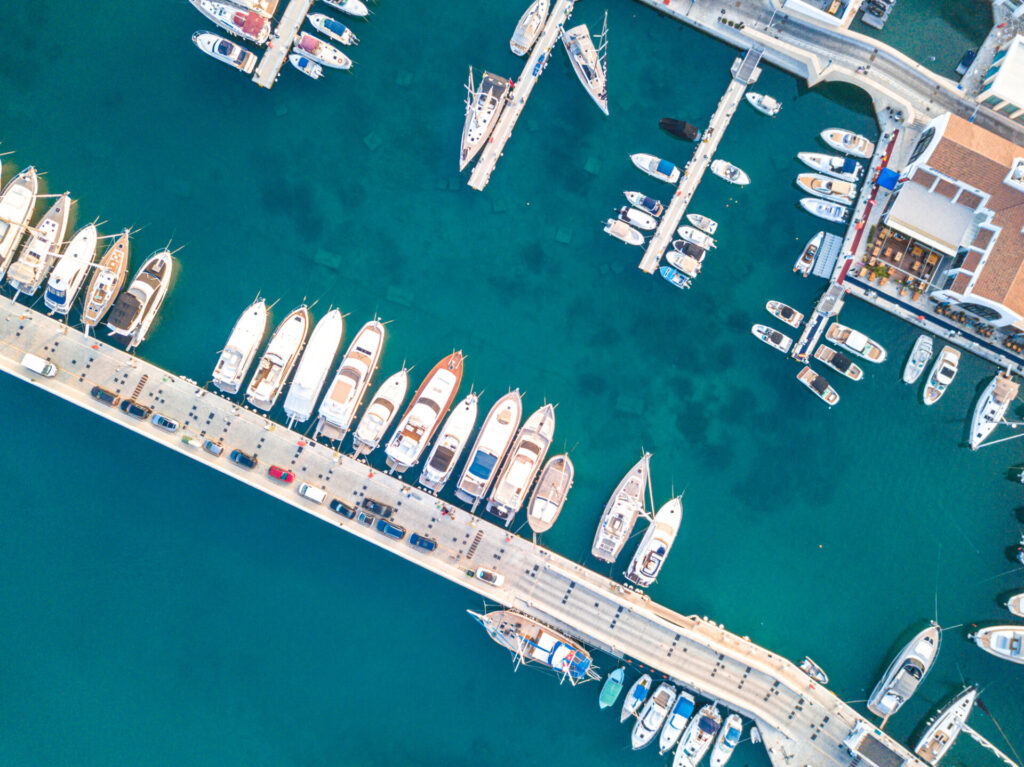
As with any business, success requires capital, insight, and an unwavering commitment to service. The charter business is not just about luxury—it’s about logistics, hospitality, and delivering once-in-a-lifetime experiences on repeat.
Passion or Profit? Maybe Both
While the mega yacht charter business can be profitable under the right conditions, most owners don’t approach it as a get-rich-quick venture. Instead, they pursue it as a lifestyle investment, a way to enjoy the prestige of yacht ownership while recouping part of the cost.
For entrepreneurs, the opportunity lies in scaling up, carving out a niche, and offering something the competition doesn’t. For owners, chartering is a strategic choice to maximize utility, defer depreciation, and possibly even make a return.
In the end, chartering a mega yacht is as much about personal passion as it is about numbers. With the right blend of savvy business planning and deep knowledge of the market, it’s possible to walk that fine line between luxury and profitability.