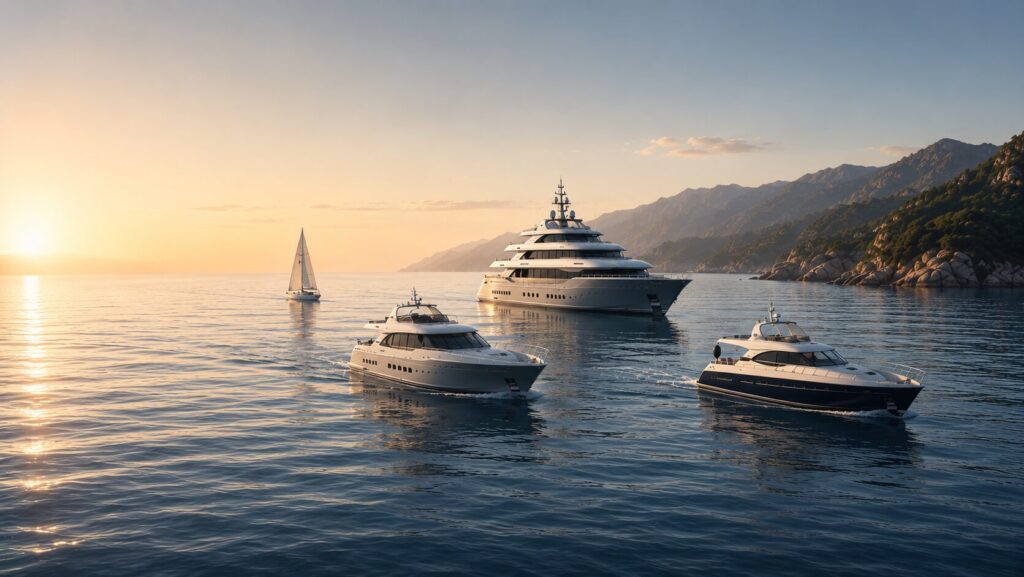
The luxury yacht market continues to evolve, reflecting shifts in global wealth, technology, and owner preferences. As yachts become more advanced and customizable, their overall value, and the costs associated with maintaining and insuring them, rise in tandem. Whether you’re a first-time buyer or a seasoned owner, understanding how yacht value impacts long-term expenses is essential to managing your investment wisely.
Luxury yacht ownership extends far beyond the initial purchase price. While the allure of cruising through the Mediterranean or Caribbean is unmatched, owners must consider the financial realities of maintenance, insurance, and crew management. Platforms like YATCO, which offer verified yacht listings and broker insights, make it easier for prospective buyers to navigate this complex landscape with transparency and confidence.
Understanding Yacht Value in Today’s Yacht Market
In 2025, the luxury yacht market remains strong, with steady demand across both new builds and pre-owned vessels. However, the value of a yacht depends on several intertwined factors, builder’s reputation, size, age, materials, and onboard technology all play a role in determining market worth. A brand-new, custom-built 150-foot yacht from a shipyard like Feadship or Lürssen will command a far higher valuation than a production yacht of similar length from a mass-market builder.
Yacht depreciation also influences overall value. Typically, a new yacht loses around 10% to 15% of its value in the first year, followed by a steadier depreciation rate of about 5% annually. However, models that are meticulously maintained, undergo timely refits, and remain in compliance with modern technology or emissions standards can retain value far longer.
Buyers must recognize that yacht value isn’t just about resale, it directly affects ongoing operating costs. Higher-value yachts require more expensive materials, systems, and specialized maintenance, making them costlier to manage but often more rewarding to own.
Maintenance Costs: How Value Drives Spending
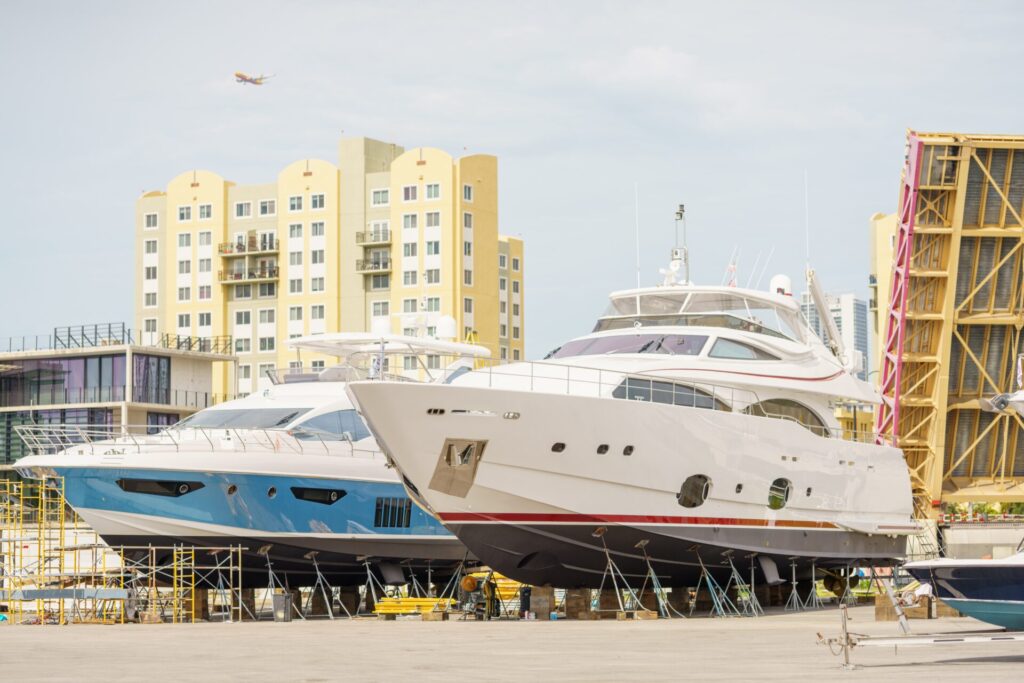
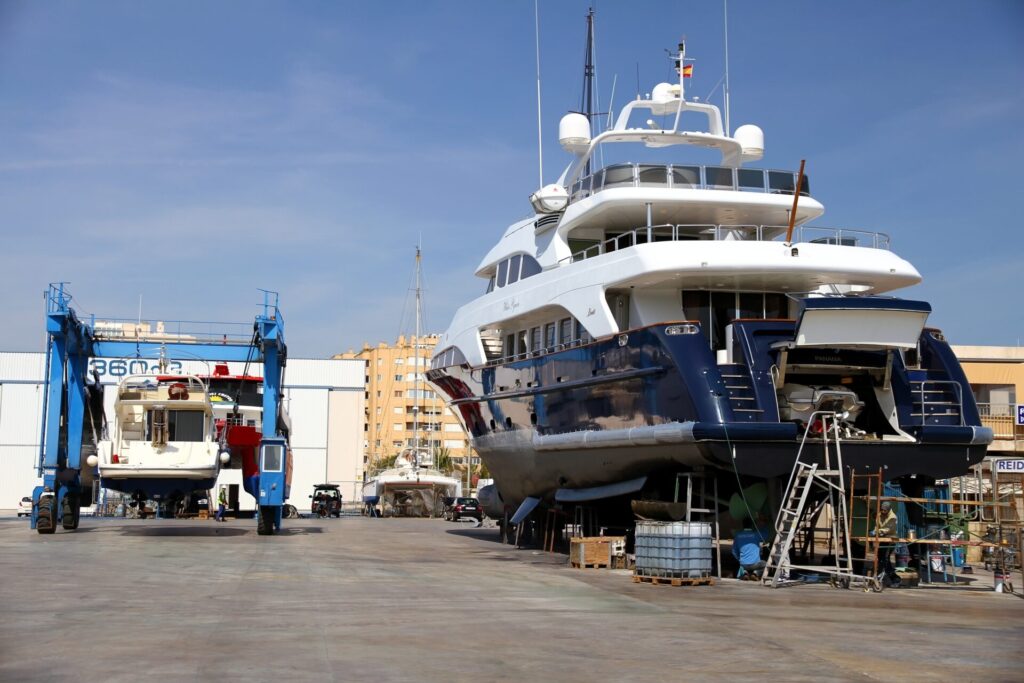
Maintenance is the cornerstone of yacht ownership, ensuring safety, performance, and longevity. On average, annual maintenance costs hover around 10% of a yacht’s total value. That means a $10 million yacht could easily cost $1 million per year to maintain. This includes mechanical servicing, yacht hull cleaning, painting, dry-docking, and replacement of onboard systems and furnishings.
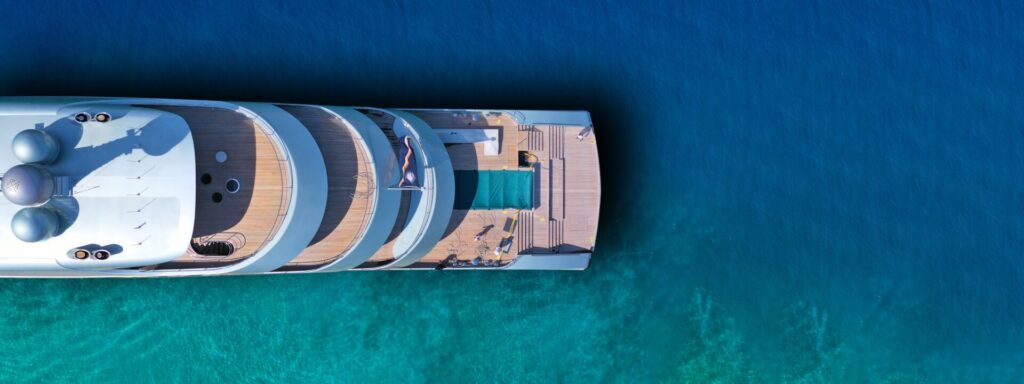
In the luxury yacht market, value directly dictates maintenance intensity. Larger yachts feature more complex propulsion systems, stabilization technology, and luxurious interiors requiring specialized care. Teak decks, custom marble, high-end fabrics, and digital control systems all need regular attention from trained professionals. Neglecting even minor maintenance tasks can quickly lead to costly repairs and faster depreciation.
Additionally, yachts operating in saltwater environments face heightened wear and tear. Owners cruising seasonally between the Caribbean and Mediterranean often schedule annual refits to address salt corrosion and update onboard amenities. For many, these maintenance efforts are not merely expenses, but investments helping to preserve the yacht’s value and market appeal.
Today’s Yacht Market Insurance Costs: Value and Risk Management
Insurance premiums are another area where yacht value plays a decisive role. Insurers assess a vessel’s value, size, cruising range, and onboard systems to calculate risk. A higher-value yacht is more expensive to repair or replace, leading to proportionally higher premiums.
For example, insuring a $3 million yacht may cost around $30,000 annually, while coverage for a $30 million superyacht could exceed $300,000 per year. Beyond the yacht’s value, insurers evaluate factors such as crew experience, navigation routes, and security systems. A vessel cruising in piracy-prone regions or hosting frequent charters may face elevated premiums due to increased liability risks.
Within the luxury yacht market, specialized insurance coverage is vital. Policies often include hull and machinery insurance, protection and indemnity coverage, and third-party liability. Owners of larger yachts also invest in environmental liability coverage to comply with international regulations.
Yacht owners who maintain strong relationships with reputable yacht brokers and underwriters can often negotiate more favorable terms. Demonstrating a commitment to preventive maintenance, employing licensed crew, and installing advanced safety systems are all effective strategies for lowering premiums while safeguarding both vessel and crew.
Yacht Market Tips for Yacht Buyers & Owners
- Understand the Total Cost of Ownership
When budgeting for a yacht purchase, include annual maintenance, insurance, docking, and crew costs. These recurring expenses often equal 10–20% of the yacht’s value per year.
- Schedule Regular Surveys and Refits
A professional marine surveyor can identify potential issues before they escalate. Regular refits not only extend your yacht’s lifespan but also help maintain its resale value.
- Work with Verified Brokers
Partnering with trusted platforms like YATCO ensures access to verified listings and transparent market data, reducing the risk of overpaying for a vessel that may carry hidden maintenance challenges.
- Invest in Preventive Measures
Upgrading to eco-efficient engines, applying advanced antifouling coatings, and scheduling engine diagnostics can significantly reduce long-term maintenance costs.
- Review Insurance Annually
The yacht market fluctuates, so reassessing your policy annually helps ensure adequate coverage without overspending. Discuss valuation changes, equipment upgrades, and new cruising areas with your insurer each year.
Frequently Asked Questions
How does yacht depreciation affect insurance premiums?
As yachts depreciate, their insured value typically decreases, which can lower annual premiums. However, yachts with high replacement costs or extensive cruising activity may retain higher premiums.
How does the value of a yacht influence its maintenance and insurance costs?
Higher-value yachts require more sophisticated systems and materials, increasing both maintenance and insurance expenses. Value also affects replacement costs, directly impacting insurance premiums.
What’s the average annual cost to maintain a superyacht?
Maintenance for a superyacht generally costs 10% of its total value per year. A $20 million yacht might therefore incur $2 million in annual upkeep.
Why do larger yachts require more specialized insurance coverage?
Larger yachts often cruise internationally, carry more passengers, and feature complex machinery—factors that increase operational and liability risks, necessitating tailored insurance solutions.
How can I reduce yacht maintenance and insurance costs in today’s yacht market?
Proactive upkeep, reliable crew management, and upgraded safety systems can all help reduce long-term expenses. Choosing a smaller or more efficient vessel also keeps costs manageable.
Where can I find verified listings and broker advice on yacht ownership costs?
Visit YATCO.com, the trusted group of companies, for verified yachts for sale, charter, and new construction. Its network of professional brokers provides expert insights into ownership, pricing, and maintenance planning.
The Smart Owner’s Approach
Owning a yacht in the luxury yacht market is as much about passion as it is about precision. Beyond the glamorous image of life at sea lies a sophisticated world of financial planning and asset management. Understanding how your yacht’s value influences maintenance and insurance costs allows you to enjoy the experience of ownership without unwelcome surprises.