The luxury landscape is shifting faster today than at any time in the past decade. As we approach 2026, a new breed of UHNWI is emerging: more mobile, more values-driven, more private, and more digitally fluent than the generation before them. In many ways, these individuals are rewriting the rules of prestige travel, asset ownership, and experience design. Yachting, one of the most symbolically powerful categories of luxury lifestyle, sits at the center of this evolution.
Whether purchasing a superyacht, engaging long-term yacht management, or selecting a high-touch charter experience, this next wave of UHNWI clients is bringing new expectations to the sector. The result is a recalibration of what “luxury” truly means and is less about ostentation, more about intention; less about accumulation, more about alignment.
Values-Led Luxury: Integrity, Authenticity, and Purpose
By 2026, the world’s wealthiest individuals are no longer impressed by luxury for luxury’s sake. They expect their assets, travel choices, and partnerships to reflect their personal values. This shift is especially evident in the yachting sector, where sustainability, stewardship, and responsibility have become priorities and not afterthoughts.
Today’s UHNWIs are asking pointed questions about carbon footprints, energy expenditure, crew welfare, ethical sourcing of materials, and long-term environmental impact. Hybrid propulsion systems, shore-power compatibility, waste-heat recovery, and eco-engineering are no longer “green options” but baseline expectations. Builders and designers with strong ESG commitments are gaining the trust of this audience, while half-measures are quickly falling out of favor.
On the charter side, clients increasingly seek itineraries that support conservation efforts, cultural respect, and lower-impact cruising. Experiences like scientific participation, philanthropic missions, community-based excursions, and leave-no-trace coastal exploration are rising in demand. Purpose is no longer a trend but a core buying motivator.
The Rise of Discreet Luxury
Though UHNWIs remain diverse in personality, age, and lifestyle, the one expectation that has surged across all demographics is a need for discretion. The world is louder, more transparent, and more exposed than ever, and privacy has become the ultimate luxury.

For yacht builders, managers, and charter brands, this means:
- Privacy-first design: secure owner decks, shielded terraces, and retreat-oriented interior zoning.
- Advanced cybersecurity: protected ownership documents, encrypted communications, secure digital yacht systems, and discreet guest data handling.
- Low-profile service: fewer intermediaries, more direct relationships, and a seamless but unobtrusive operational flow.
UHNWIs in 2026 want to feel untouchable but not in an ostentatious way; in a way that gives them control over their personal space, information, and time. This is where trusted platforms like YATCO continue to differentiate themselves by prioritizing verified data, secure listings, and tight access to sensitive yacht details—mirroring the discretion UHNW clients demand from their entire ecosystem.
Digital-First Expectations in Modern Luxury
Today’s UHNWIs are deeply digital, expecting technology not as novelty but as a meaningful enhancer of privacy, decision-making, and overall ease of experience. In the yachting sector, this mindset translates into high-fidelity remote buying tools, from virtual walk-throughs to secure digital escrow that allow clients to move confidently through transactions from anywhere in the world.
It also fuels a new level of intelligent personalization, with digital ecosystems learning preferences across wellness, cuisine, interior design, and travel style to deliver a more anticipatory onboard experience. At the operational level, seamless technologies such as autonomous docking, integrated weather routing, and low-touch guest management systems are reducing friction and giving UHNWIs more control, making quiet, intuitive tech one of the most valued forms of modern luxury.
The Redefinition of Luxury Lifestyle
Perhaps the most significant shift is that UHNWIs no longer equate luxury with size, volume, or price tag. Instead, they equate it with meaning, access, and transformation. A curated charter through remote polar regions, a culinary residency with a Michelin chef onboard, or a family-focused wellness program designed in collaboration with experts may hold more value than the traditional markers of extravagance.
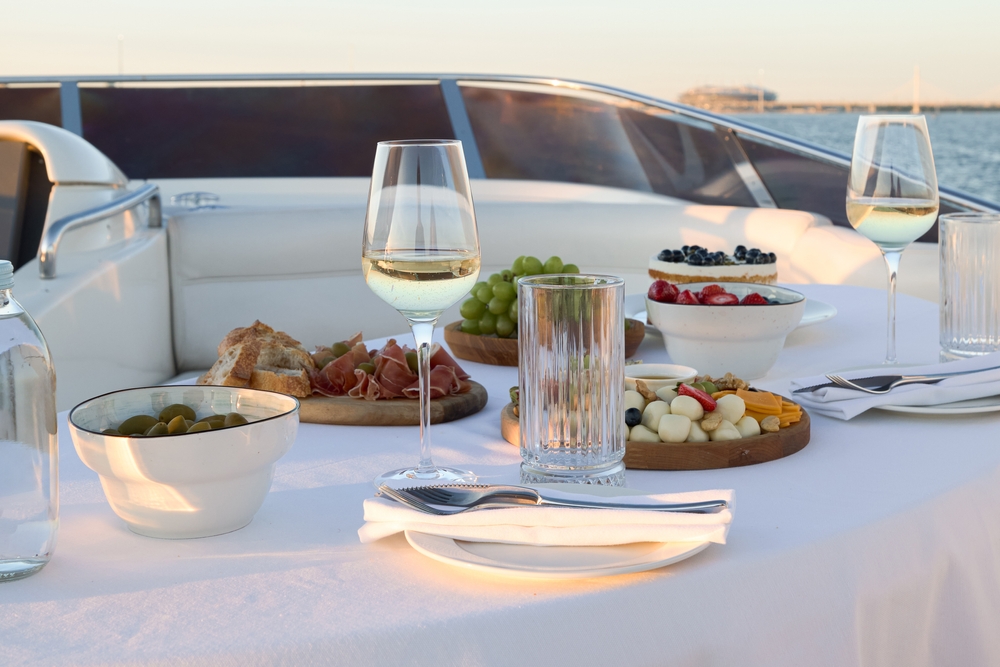
In 2026, the question UHNWIs ask is not, “How impressive is the yacht?” but, “How does this yacht expand my world?”
The industry’s most forward-looking brands consisting of builders, brokers, designers, and platforms like YATCO, are already adapting by creating ecosystems, not just services. This includes curated community experiences, discreet events for owners, and digital tools that help clients connect meaningfully with both the vessel and the lifestyle.
Where the Yachting Sector Must Go Next
As the next generation of UHNWIs continues to rise shaped by global mobility, inherited wealth, entrepreneurial success, and tech-native behavior, the yachting world must shift from static luxury to dynamic value creation. The brands that succeed will be those that embrace:
- Sustainability as strategy, not marketing
- Discretion as a core feature, not an add-on
- Technology as an enabler of humanity, not replacement for service
- Experiential depth as the new currency of prestige
Luxury is still powerful, but its definition has evolved. In 2026 and beyond, UHNWIs want alignment, protection, innovation, and meaning. They want luxury that respects their time, enhances their values, and deepens their connection to the world.
The Future Is Intentional
The emerging luxury consumer is telling the yachting industry something important: the future is not about “more” but it’s about being and doing “better.” Better values, better privacy, better technology, better experiences. For those willing to adapt, the opportunity is immense. For those who cling to outdated notions of status, the gap between expectation and reality will only widen.