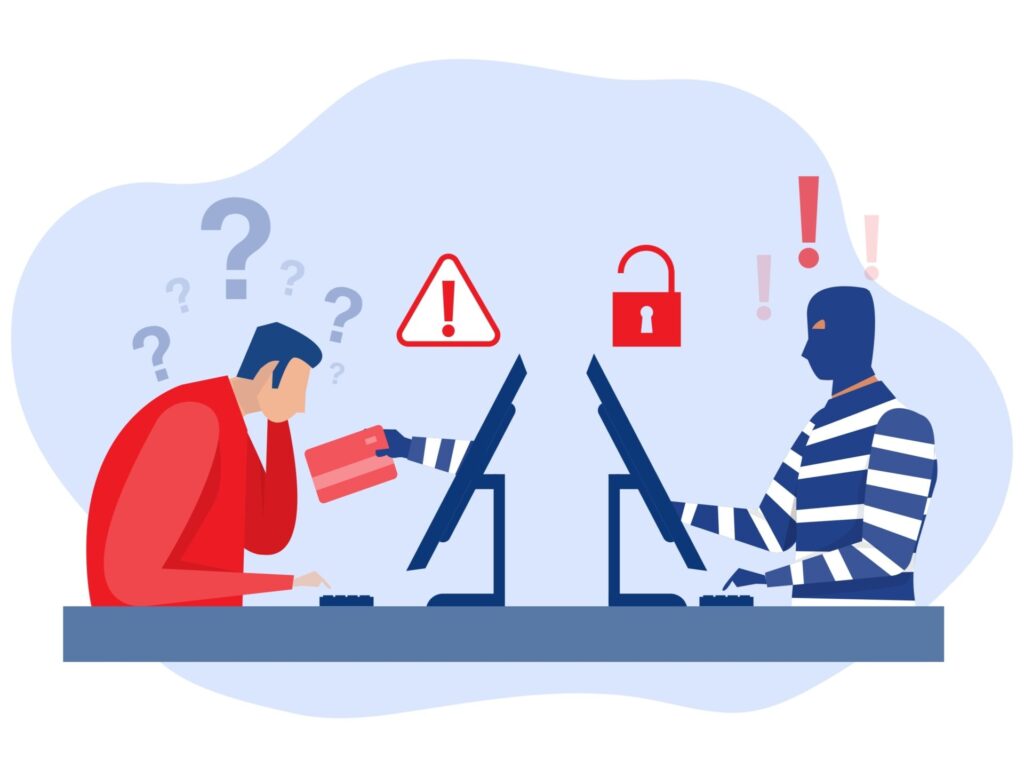
As yachting continues to progress digitally, so does sales within it. Yacht brokers rely heavily on online inquiries to connect with potential buyers and sellers, which makes them a prime target for scammers. Scammers are using increasingly sophisticated spam and phishing tactics, like artificial intelligence-generated messages that sound completely legitimate and contain personalized outreach based on public information. Recently, there has been a rise in spam leads that appear legitimate at first glance but ultimately attempt to trick brokers into clicking malicious links, often disguised as Zoom or other meeting invitations.
How Spam Leads Typically Work
Modern scams are designed to blend into normal sales workflows seamlessly. In many cases, an interaction will begin with what appears to be a standard website inquiry. With AI continuing to rise in quality, these inquiries can be grammatically perfect, professional in tone, contextually relevant to yacht sales, and reference details such as yacht models, destinations, or brokerage services. This makes the inquiry feel authentic and removes many of the traditional warning signs like poor spelling or awkward phrasing. Additionally, some scams are no longer generic. Instead, scammers are using publicly available information obtained through places like broker profiles, LinkedIn pages, or company websites to personalize messages.

After a broker responds and looks to schedule a call or provide more information, the scammer replies with enthusiasm and urgency. Instead of coordinating a time normally or waiting for an invitation from the broker, they’ll send a link to a virtual meeting invitation and encourage the broker to click it to continue the conversation. These links lead to fake login pages, malicious websites, or downloads designed to capture passwords or compromise devices. Since communication feels routine and timely and brokers are taught to act quickly on potential deals, scammers rely on brokers to react hastily rather than stopping and verifying.
Common Red Flags to Watch For
While there isn’t a one, single sign that confirms that a lead is spam or created by a scammer, multiple red flags together should raise concern. Brokers should be especially cautious if they notice any of the following:
- Vague or generic responses that do not reference specific yachts, locations, or details mentioned previously
- Unusual email addresses, misspellings, or sender names that don’t match the email domain
- Urgent or pressured language, such as requests to meet immediately or claims that time is sensitive. If it feels too good to be true, it usually isn’t
- Meeting links sent without confirming availability, particularly early in the conversation
- Shortened or unfamiliar URLs or links that clearly do not belong to Zoom or other virtual meeting platforms
- Requests to move communication off email quickly without a clear reason
- Repeated follow-ups pressuring the broker to click a link rather than answer questions
Professionalism and politeness often lower suspicion. Just because a message sounds courteous or businesslike does not mean it is safe.
Best Practices for Verifying Leads
Instead of clicking on links sent by others and following directions from unknown contacts, brokers should adopt habits that allow them to stay in control of the situation. Sending your own meeting link using a company-approved scheduling tool or calendar system is an easy step toward doing this. Legitimate prospects will have no issue joining a meeting you organize.
Specific follow-up questions, like preferred yacht specifications, cruising destinations, location of the buyer, or timeline of the purchase trip up scammers as well. Scammers often struggle to provide detailed, relevant answers.
Finally, always hover over a link to preview the URL before clicking. Look carefully for misspellings, extra characters, or unfamiliar domains. When in doubt, it is completely acceptable to slow the process down. Scammers rely on quick reactions to take advantage of brokers when they aren’t thinking the process through. Speaking with a colleague or friend and getting their opinion on if the link or conversation you’re looking at seems legitimate is also a good idea if you have doubts. Sometimes we all need another set of eyes on something.
What to Do If You Receive a Suspicious Link
You’re now operating with more patience and find yourself looking at a link or message that feels off — what should you do? The safest response is simple: do not click the link and do not download any attachments. Instead, stop engaging with the message, report the email internally to have colleagues avoid falling for it, and delete the message.
If a link is clicked accidentally, immediate action is important. Disconnect from the internet, if possible, notify your IT or management team, and follow any instructions they provide. Sometimes this can include changing passwords or running security checks. Reporting quickly is important, as it can protect your device and company systems.
Spam leads and phishing attempts are an unfortunate reality of doing business online and they are increasingly becoming harder to spot. However, recognizing red flags, verifying leads carefully, and avoiding unknown links dramatically reduce risk.