The sea has always been both an opportunity and a risk. While shipping routes, offshore work, and leisure voyages power the global economy and provide livelihoods for millions, the ocean remains unpredictable. Maritime accidents—from vessel collisions to onboard injuries—can have devastating consequences for crew, passengers, and companies alike. Understanding why these accidents happen, how to respond effectively, and what legal rights exist for compensation is essential for anyone working or traveling at sea.
Common Reasons for Accidents at Sea
The reason for accidents at sea often lies in a combination of human error, mechanical failure, and environmental hazards. Navigational mistakes, fatigue, and inadequate training can lead to catastrophic incidents. Meanwhile, poorly maintained equipment, outdated safety systems, or overloaded vessels can create conditions ripe for disaster. Weather also plays a critical role—sudden storms, rogue waves, and reduced visibility can turn a routine voyage into a life-threatening situation.
Prevention begins with awareness. Recognizing the primary causes of maritime incidents is the first step toward reducing their frequency and impact.
Types of Maritime Accidents: Collisions, Disasters, and Onboard Injuries
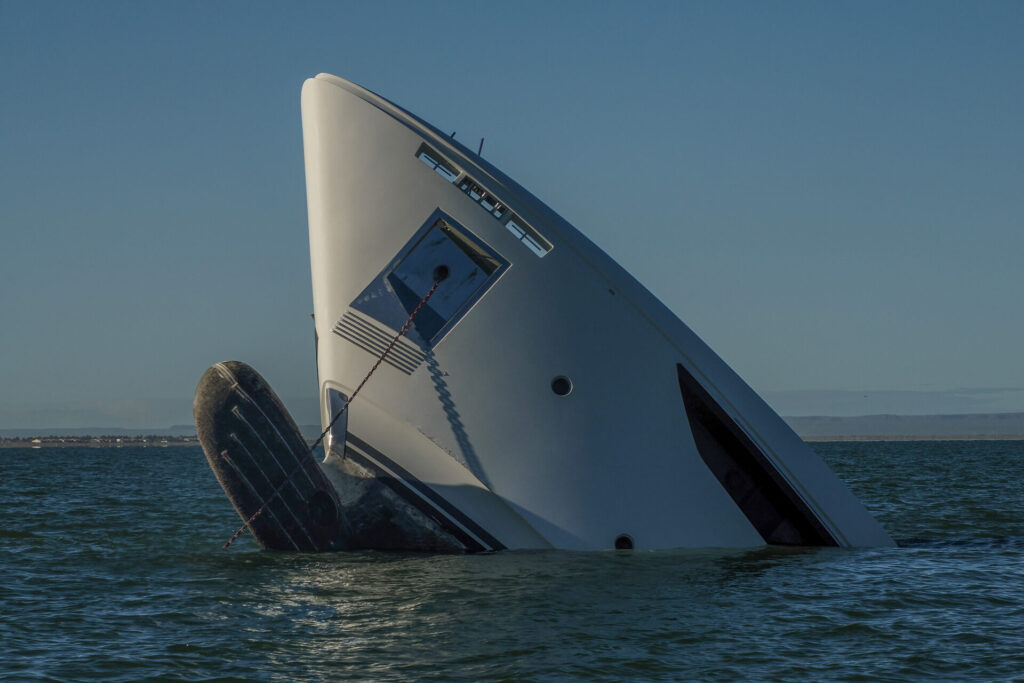
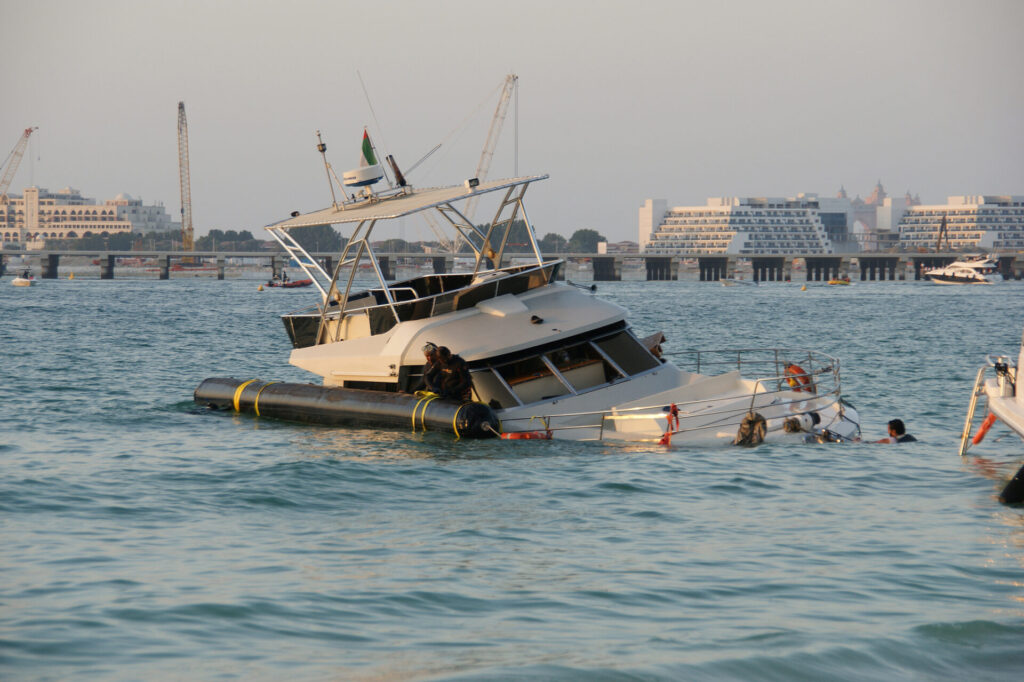
Maritime accidents vary widely in scale and consequence. A vessels collision course may result in extensive structural damage, oil spills, or loss of life. In more severe cases, maritime disasters, such as fires, sinkings, or explosions, can destroy entire fleets and impact marine ecosystems for decades.
On a smaller scale, onboard accidents are common but no less significant. Slips, falls, and equipment malfunctions can cause long-term injuries to seafarers. The confined and often isolated environment of ships makes immediate medical care challenging, which only compounds the seriousness of these injuries.
Immediate Steps After a Vessel Collision or Onboard Accident
Responding quickly and effectively can make the difference between survival and tragedy. After a vessels collision or onboard accident, the crew must follow established emergency protocols. This typically includes:
- Securing the injured and stabilizing the situation.
- Reporting the incident to authorities and company management.
- Containing any environmental hazards, such as yacht fuel leaks.
- Documenting the accident for yacht insurance and legal purposes.
Clear communication and adherence to safety drills can dramatically reduce casualties and damage in the aftermath of a maritime accident.
How Are Injured Crew Members Treated at Sea?
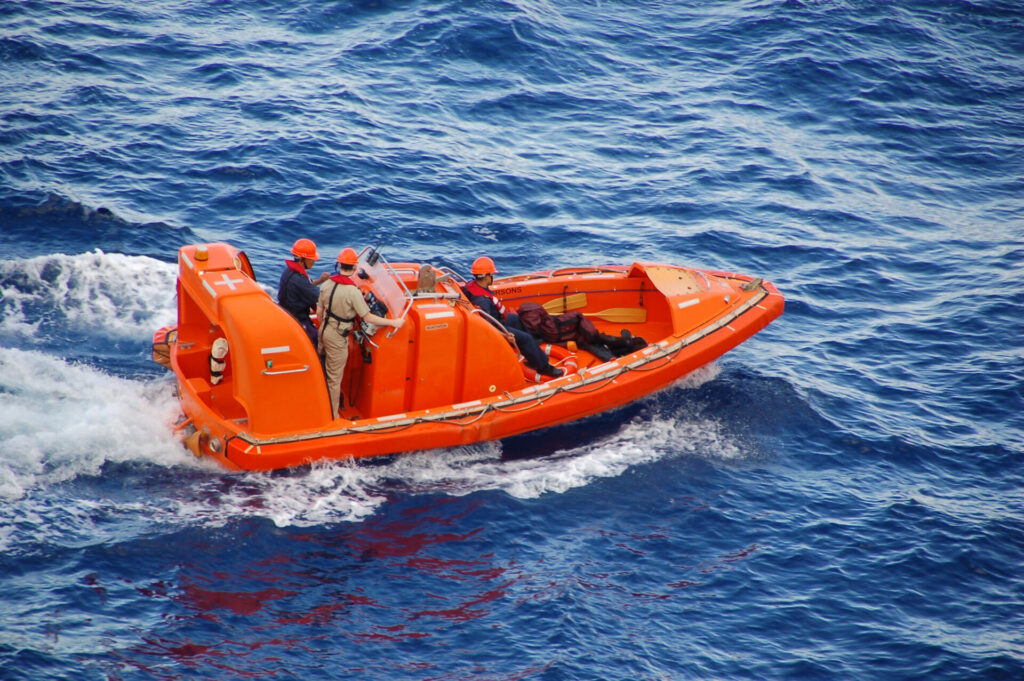
A critical question following any incident is: how are the injured crew members being treated? Ships are often far from immediate medical assistance, making onboard care vital. Most vessels are equipped with medical kits and crew members trained in first aid, but serious injuries require evacuation to the nearest port or an airlift to a hospital.
In many jurisdictions, maritime law requires employers to provide medical treatment and cover expenses for injured workers. This duty of care extends to rehabilitation and, in some cases, compensation for lost income due to injury.
Maritime Accidents at Sea Claims: What You Need to Know
Filing maritime accident at sea claims is often complex due to overlapping international and national laws. Seafarers, passengers, and offshore workers may be entitled to compensation if negligence or unsafe conditions contributed to the incident. Claims typically cover medical costs, lost wages, and damages for pain and suffering.
It is essential to gather as much evidence as possible—witness statements, incident reports, and photographs—to strengthen a case. Consulting with legal professionals specializing in maritime law ensures that rights are protected and deadlines for filing claims are met.
Preventing Future Maritime Accidents: Safety Measures
Prevention is always better than response. To reduce maritime accidents, companies must invest in:
- Regular yacht maintenance and inspections.
- Comprehensive crew training and safety drills.
- Updated navigation and communication systems.
- Clear fatigue management protocols.
These measures not only protect lives but also safeguard businesses from costly lawsuits and reputational damage.
Maritime Accidents Injury Settlements and Offshore Compensation Claims
When legal claims are successful, they often result in maritime injury settlements. These can provide essential financial support to injured crew members and their families, covering medical expenses, rehabilitation, and future income loss.
Workers facing accidents working abroad or offshore compensation claims encounter additional challenges. Jurisdictional issues, international treaties, and differences in labor laws can complicate proceedings. However, experienced maritime lawyers specialize in navigating these complexities to ensure fair settlements for those affected.
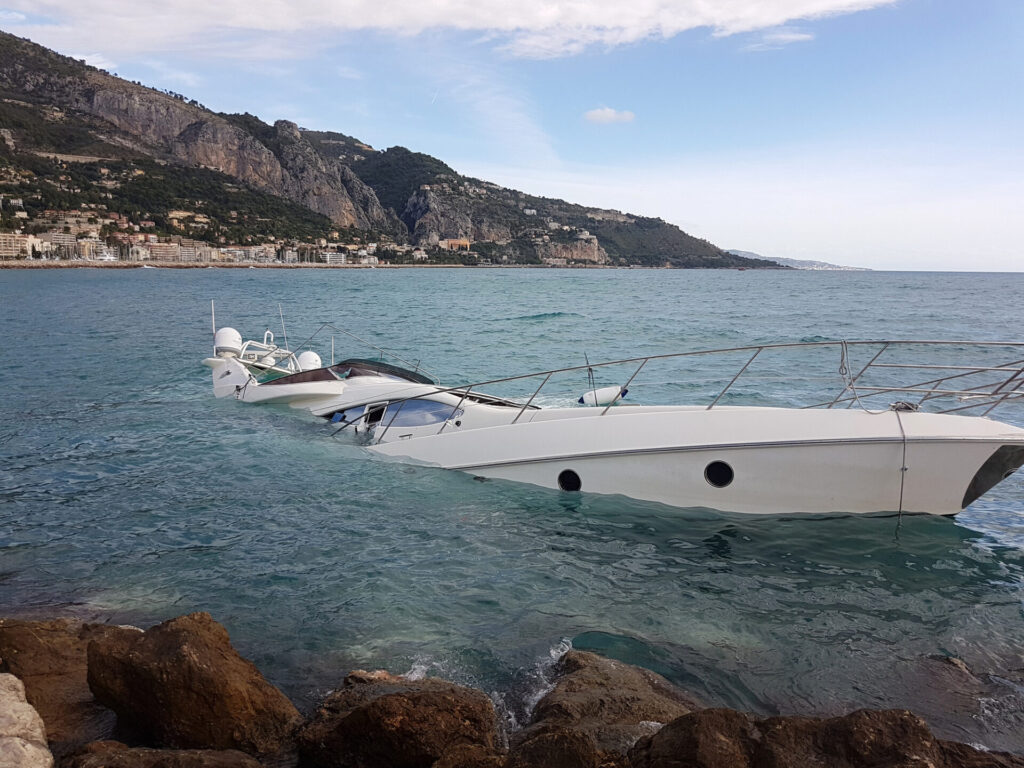
Legal Considerations After Maritime Disasters
Large-scale maritime disasters trigger investigations by multiple authorities, from flag states to international maritime organizations. Liability may fall on shipowners, operators, equipment manufacturers, or even port authorities.
For victims, this legal maze can be overwhelming. Class actions, insurance disputes, and cross-border litigation often follow. Understanding the legal landscape, and seeking timely expert advice, is vital for anyone hoping to secure compensation and accountability.
Charting a Safer Course
The sea will always carry inherent risks, but awareness, preparation, and legal safeguards can significantly reduce the consequences of maritime accidents. From understanding the reason for maritime accidents at sea to knowing how to file accident at sea claims or pursue maritime injury settlements, knowledge is both protection and power.
By prioritizing safety, supporting injured seafarers, and holding responsible parties accountable, the maritime industry can honor its traditions while forging a safer future.