The landscape of yacht crew trends predicted for 2026 reflects broader changes across luxury hospitality, global mobility, and onboard yacht technology. Owners are traveling farther, staying onboard longer, and expecting the same level of service they receive in six-star hotels, wellness retreats, and private residences. At the same time, yachts are becoming more advanced, integrating hybrid propulsion systems, AI-supported monitoring tools, and enhanced safety protocols that require crews who are both technically trained and operationally adaptable.
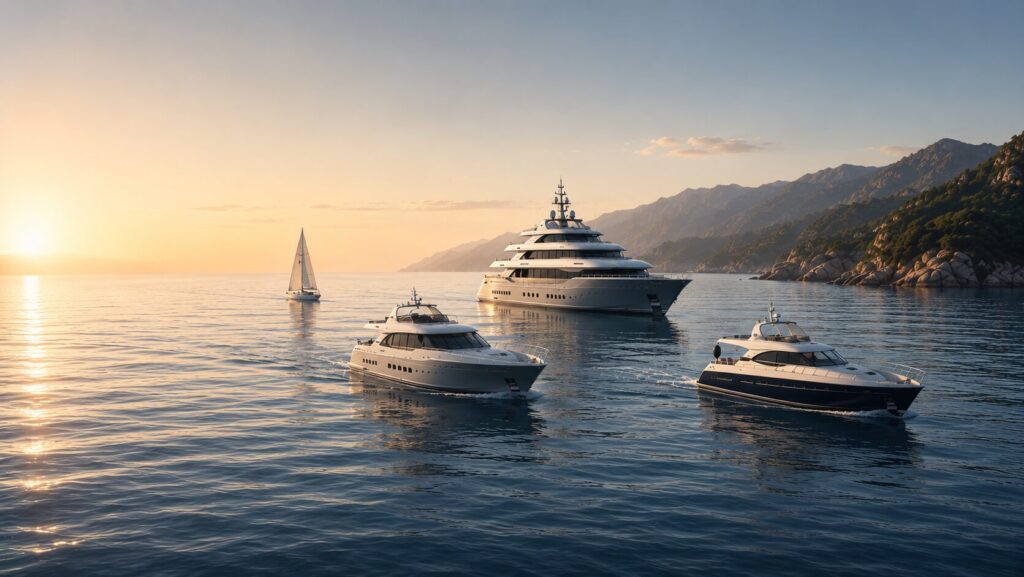
Crew shortages across the industry are also pushing yachts to rethink recruitment and retention. As more vessels enter the global fleet—particularly in the 131’ – 197’ (40–60m) charter-heavy category—the industry is experiencing increased competition for skilled personnel. This shift is raising salaries, widening career pathways, and encouraging a more professionalized environment onboard. In 2026, the yachts that thrive will be those that treat crew not as labor, but as essential operational partners whose expertise directly impacts guest satisfaction, safety, and asset value.
Yacht Crew Skills Most in Demand in 2026
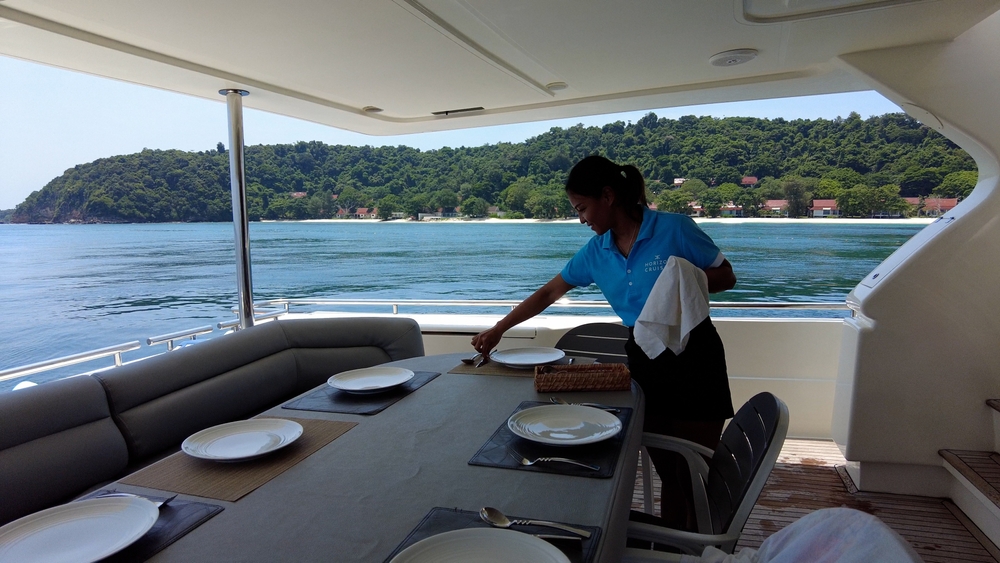
Skill requirements have evolved dramatically, and the most sought-after crew members in 2026 are those who blend traditional seamanship with service sophistication and technical aptitude. Deckhands are expected to handle advanced tender fleets, drones, underwater toys, and expedition equipment. Engineers must understand hybrid powertrains, digital diagnostics, and energy-efficiency optimization. Interior crew are increasingly trained in mixology, specialty coffee preparation, luxury housekeeping standards, and wellness support, including yoga, massage, and nutritional knowledge.

Soft skills matter more than ever. With guests spending longer periods onboard, captains prioritize crew who demonstrate emotional intelligence, discretion, adaptability, and the ability to maintain calm under pressure. The most successful crew in 2026 are those who can shift effortlessly between roles, anticipate guest needs, and collaborate across departments to deliver a seamless onboard experience.
Training & Certifications Driving Competitive Yacht Crews
Training has become a defining differentiator in yacht operations. Mandatory certifications such as STCW remain foundational, but competitive crew members are pursuing specialized training across a range of disciplines. Yacht engineers are completing advanced electrical and hybrid propulsion courses to stay aligned with next-generation systems. Stewards and stewardesses invest in WSET wine qualifications, silver service education, mixology, and wellness certifications. Deck teams pursue PWC instructor ratings, rescue diver certifications, and advanced tender driving.
Leadership development is another significant trend. Captains increasingly expect department heads to demonstrate stronger HR, communication, and conflict-management skills to maintain harmony during long charter seasons. Yachts with structured training programs, both onboard and through external academies, are seeing higher retention and stronger guest feedback scores.
Yacht Crew Salary Benchmarks Across Yacht Sizes
Yacht crew salaries in 2026 continue to rise due to global demand and the competitive hiring landscape. While exact numbers vary by vessel, region, and experience level, industry benchmarks show upward pressure across nearly all departments. Entry-level deckhands and stewardesses command higher starting salaries than in previous years, particularly on dual-season yachts. Department heads, including chief engineers, chief stews, and bosuns, are seeing strong increases tied to specialized skills and the complexity of modern yachts.
Larger yachts, particularly those over 197’/60m, offers the highest pay scales, reflecting their extended itineraries, demanding service expectations, and technical sophistication. Rotational roles are becoming more common, especially in engineering and officer-level positions, providing both improved work-life balance and stronger long-term retention. The emphasis in 2026 is not just on compensation, but on creating sustainable, attractive career pathways that keep top talent in the industry.
How Owners and Captains Support Retention
Retention has become one of the most critical aspects of yacht operations. Turnover disrupts service quality, increases training costs, and impacts long-term yacht culture. In 2026, forward-thinking owners and captains are focused on building stable, motivated teams by investing in both professional development and personal wellbeing.
Crew accommodation upgrades in the form of improved mattresses, better climate control, more storage, and dedicated crew lounges are increasingly seen not as luxuries but as strategic investments. Rotational schedules, competitive bonuses, mental health support, and clear promotion pathways play essential roles in retention, alongside transparent communication and consistent leadership. Many yachts are adopting a “hospitality leadership” approach, recognizing that a supported crew delivers far better guest experiences.
The Human Side of Yacht Excellence
As yachts become more technologically advanced and guest expectations rise, the human element remains the defining factor in onboard success. In 2026, the most valued crews will be those who combine technical capability, emotional intelligence, and an unwavering commitment to service. The yachts that recognize and support this will stand apart with smoother operations, stronger guest satisfaction, and higher overall asset performance.