Luxury yachting has always been synonymous with indulgence, innovation, and exclusivity. Yet in today’s world, discerning owners and operators face a new challenge: balancing ultimate comfort with environmental responsibility. Sustainable yacht maintenance is no longer just an aspirational concept—it’s an essential practice that ensures yachts remain pristine while reducing ecological impact. From eco-friendly cleaning products to energy-efficient systems, maintaining a yacht sustainably enhances its longevity and value while supporting the oceans that make the experience possible.
Why Sustainable Yacht Maintenance Matters
The ocean is both a playground and partner for yacht owners. However, conventional upkeep methods—such as harsh chemical cleaning, excessive fuel use, and waste mismanagement—can leave lasting environmental damage. By embracing sustainable practices, yacht owners not only meet growing regulatory standards but also demonstrate a commitment to preserving marine ecosystems for future generations. More importantly, eco-conscious upkeep is becoming a hallmark of modern luxury: clients, guests, and even crew expect vessels to reflect responsible values.
Eco-Friendly Materials and Products
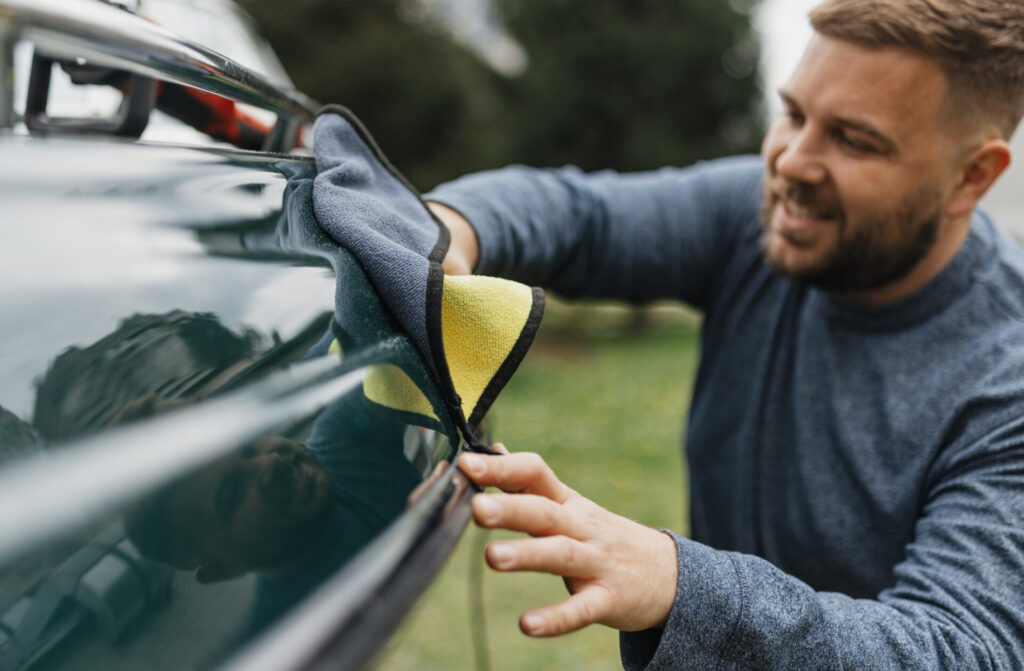
One of the most impactful shifts is the replacement of conventional chemicals with biodegradable, non-toxic alternatives. Environmentally safe cleaners, varnishes, and coatings reduce the release of harmful substances into the water. Sustainable teak treatments and low-VOC paints not only protect the yacht’s surfaces but also contribute to healthier air quality onboard. Even small decisions, like switching to microfiber cleaning cloths instead of disposable wipes, can significantly lower waste while maintaining high-end finishes.
Energy-Efficient Systems and Practices
Yacht maintenance extends beyond appearance to the yacht’s technical performance. Integrating energy-efficient systems—such as LED lighting, optimized HVAC units, and solar-assisted power—reduces fuel dependency and lowers operating costs. Regular engine tuning and hull cleaning also minimize drag, ensuring smoother cruising and better fuel economy. These updates not only align with sustainability goals but also enhance guest comfort by providing quieter, more efficient operations.
Waste and Water Management
Luxury yachting demands high standards of hospitality, but those experiences generate considerable waste. Advanced onboard waste management systems allow for proper separation, recycling, and safe disposal. Greywater recycling and advanced bilge filtration reduce pollutants discharged into the sea. Meanwhile, watermakers with energy-recovery technology provide fresh water sustainably, eliminating the need for excessive bottled water. These innovations reflect a new era where sustainability seamlessly integrates with luxury living.
Crew Training and Culture
Even the most advanced technology relies on people to operate it effectively. Crew members play a critical role in executing sustainable yacht maintenance. Training in eco-friendly procedures—such as proper chemical dilution, energy conservation techniques, and efficient provisioning—ensures practices are applied consistently. Fostering a sustainability-first culture onboard strengthens the yacht’s brand, reassuring guests that every detail, from fuel use to linen washing, has been considered with care for the planet.
The Business Case for Sustainability
Eco-friendly maintenance isn’t just about environmental stewardship—it’s a smart business decision. Yachts that integrate sustainable practices often see reduced operating costs, enhanced longevity of equipment, and stronger resale value. Moreover, charter clients are increasingly seeking vessels with clear sustainability credentials. By positioning a yacht as eco-conscious, owners and brokers can capture a growing segment of environmentally aware clientele without compromising luxury experiences.